

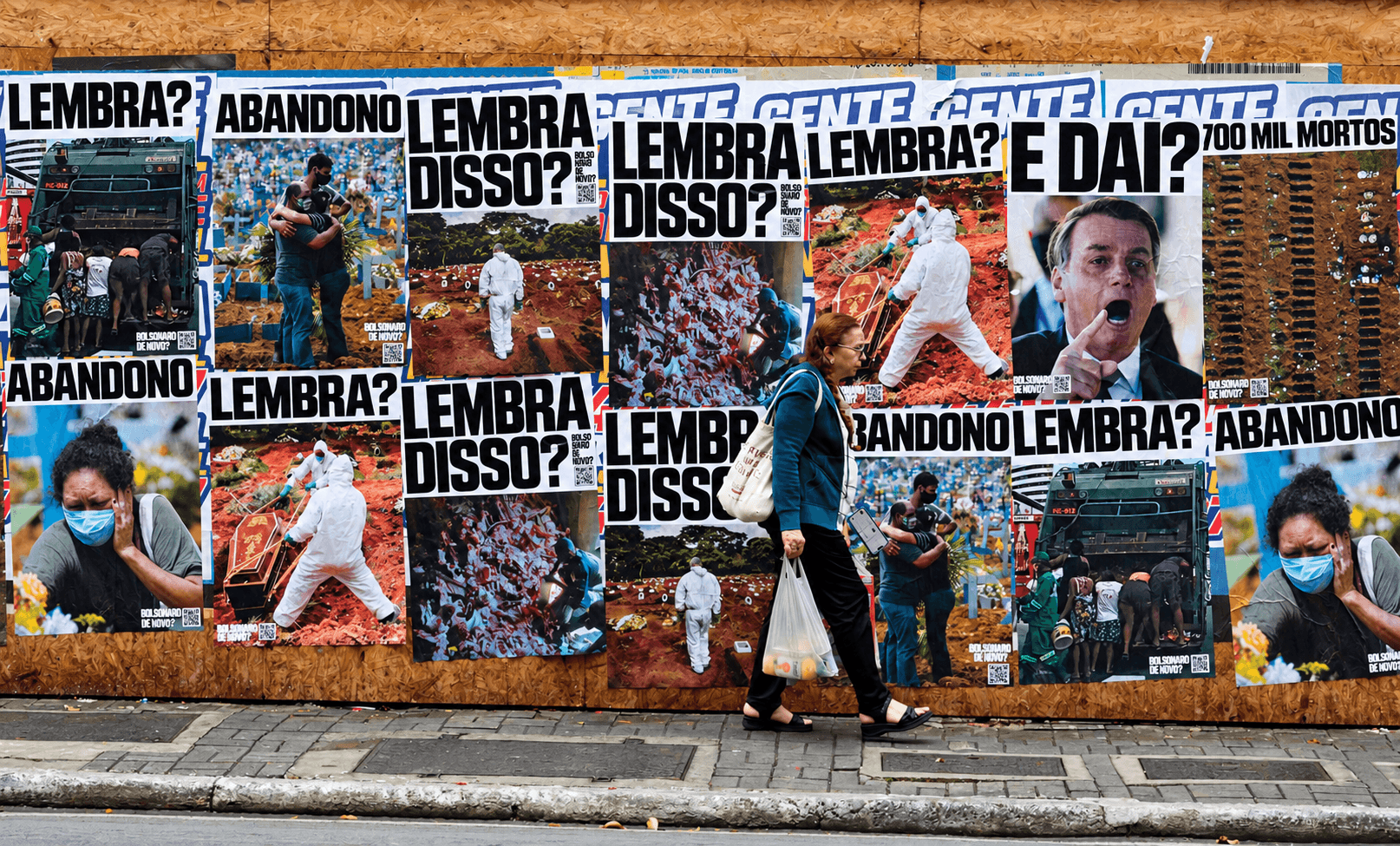
Brazil is heading into another period of political uncertainty after President Luiz Inácio Lula da Silva won the presidential runoff on 25 October, defeating right-wing Senator Flávio Bolsonaro in a closely fought contest. The victory gives Lula a fourth non-consecutive term in office, marking another major chapter in the political career of one of Latin America's most prominent leaders.
But the election has done little to bridge the country's deep political divide. Instead, questions about the voting process, possible legal challenges and the strength of Brazil's democratic institutions have quickly moved to the centre of the debate.
The campaign was fought over familiar but deeply divisive issues, including the cost of living, public security, social welfare, environmental protection and Brazil's international relationships. The close contest reflected a country split over its economic future and the direction its political leadership should take.
The dispute surrounding voting hours has added another layer of tension. Reports of confusion at some polling stations following a last-minute extension have raised questions about how the decision was communicated and implemented. Bolsonaro has challenged the process and threatened to pursue legal action against the result.
The allegations will need to be examined through Brazil's established electoral and judicial procedures. Complaints about the conduct of an election deserve scrutiny, but they must be supported by evidence before conclusions can be drawn about the validity of the result.
The stakes extend well beyond domestic politics. Brazil is a major agricultural exporter, an important energy producer and an influential voice among emerging economies. Decisions made by Lula's government will affect investor confidence, environmental policy, international trade and the country's relationships with Washington, Beijing and other BRICS members.
For now, Brazil faces two immediate challenges: managing the post-election dispute without undermining public confidence and preparing for another term of government in a country where political divisions remain pronounced.
A HISTORIC VICTORY — BUT A DIVIDED ELECTORATE
Lula returns for a fourth non-consecutive term
Lula's victory marks a significant political comeback. After a competitive first round, he secured the presidency in the runoff on Sunday, 25 October, according to the reported election results.
His campaign placed considerable emphasis on social welfare, employment, household expenses and environmental protection. He also argued that Brazil should preserve its democratic institutions and maintain an independent voice in international affairs.
For Lula's supporters, the result offers an opportunity to continue social programmes and tackle persistent inequality. His opponents, however, remain concerned about economic management, public security and the direction of government policy.
The narrow contest also highlights a challenge that will follow Lula into his next term. Winning the presidency does not automatically translate into broad political support across the country.
To move his agenda forward, Lula will need to work with Congress, negotiate with rival political groups and demonstrate that his policies can deliver practical improvements in people's lives. Economic pressures and public expectations will leave little room for prolonged political gridlock.
Flávio Bolsonaro's defeat leaves the conservative movement in play
Flávio Bolsonaro entered the runoff with substantial support among conservative voters and the political network associated with his father, former president Jair Bolsonaro.
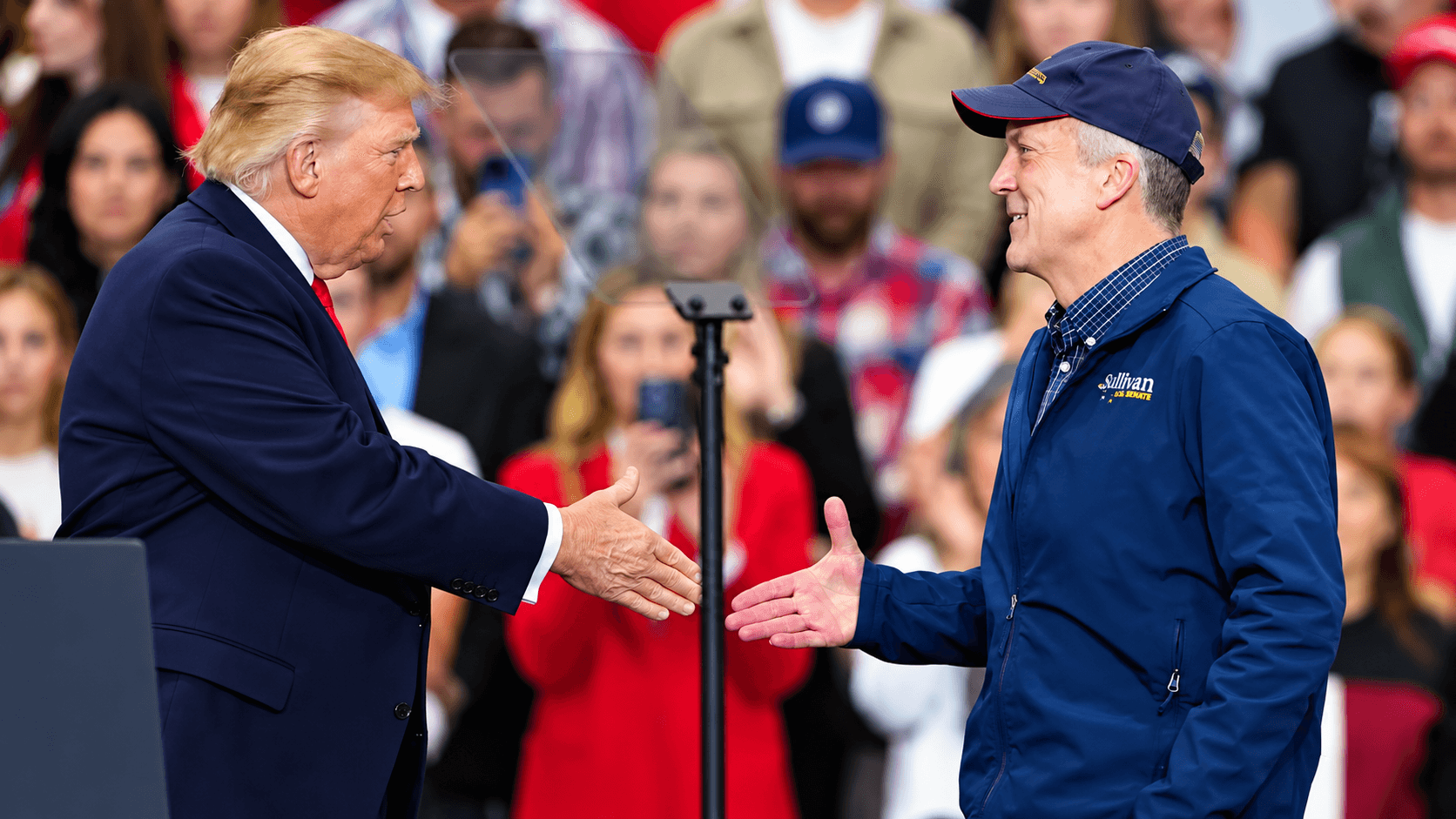
His campaign called for tougher public security measures, changes to the judiciary and closer alignment with US President Donald Trump's administration.
The defeat is a setback for the Bolsonaro family's immediate political ambitions, but it does not mean the conservative movement has lost its influence. Its support among voters and its presence in Brazil's political institutions will continue to shape national debate.
Much will depend on how the opposition responds to the result. It can remain influential by scrutinising government decisions, challenging policies and pursuing legitimate complaints through the courts.
However, continued claims that the election was illegitimate, without sufficient supporting evidence, could deepen mistrust and make political cooperation more difficult.
Brazil's democratic stability will depend partly on whether political leaders can respect established legal procedures while retaining the right to question specific decisions.
VOTING DISPUTES PUT THE ELECTORAL PROCESS UNDER SCRUTINY
Last-minute extension causes confusion
One of the election's most contentious moments came as polling was due to close on Sunday.
According to reports, Supreme Court Justice Cristiano Zanin ordered voting to be extended by two hours after both campaigns raised concerns about difficulties affecting voters in different parts of the country.
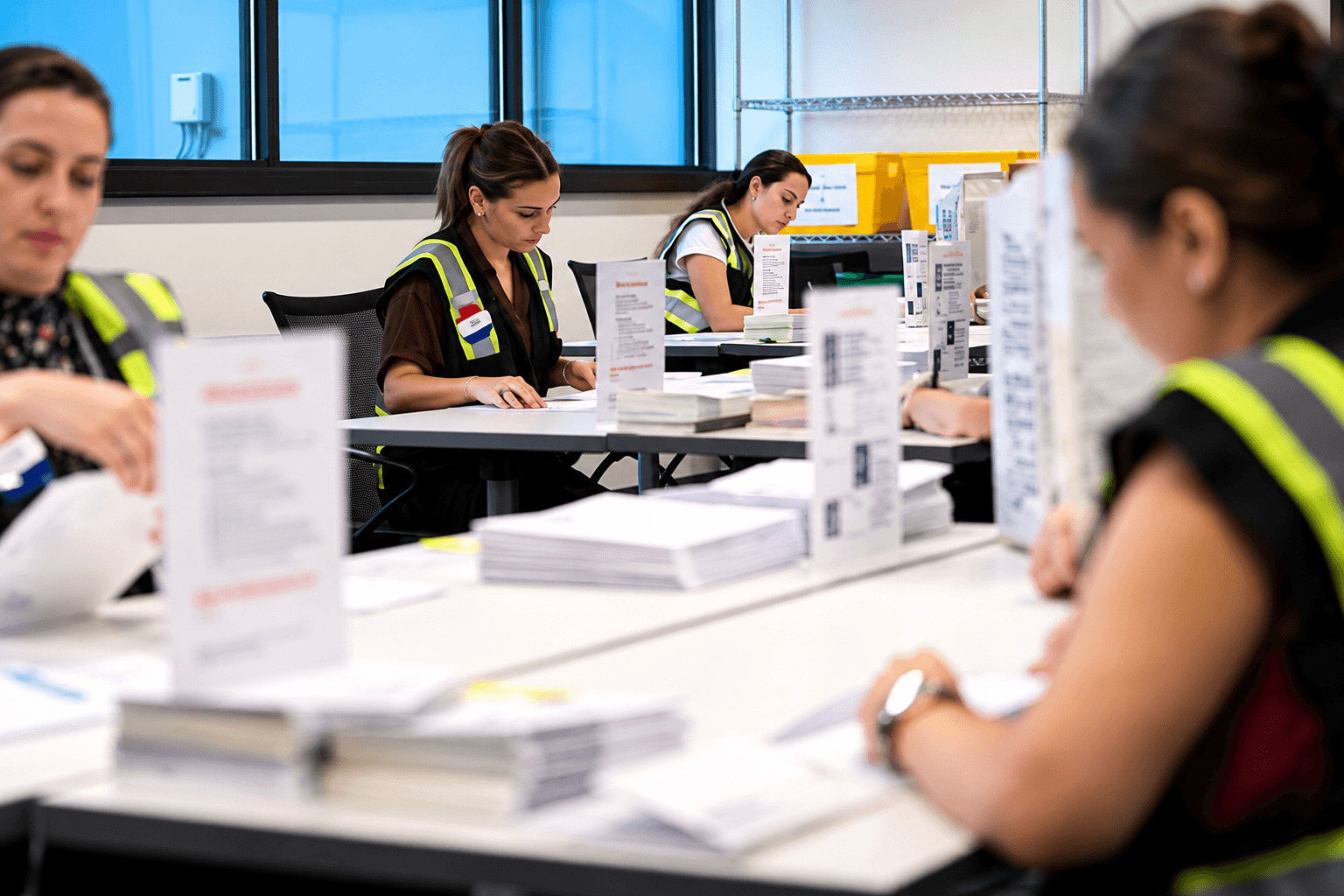
The decision reportedly caused confusion at some polling stations, where voting machines had already been switched off before the extension was communicated. The episode has prompted questions about how the order was implemented and whether voters received consistent information.
The campaigns had raised concerns about access to polling stations, although their complaints differed. Lula's camp pointed to reported transport disruptions, while Bolsonaro's campaign cited weather-related difficulties in certain areas.
These issues have become a central part of the post-election dispute. Bolsonaro has indicated that he intends to challenge the result, arguing that the extension affected the integrity of the process. Lula's party has also raised concerns about alleged interference affecting voters.
The claims need to be assessed carefully. Confusion over administrative procedures, isolated irregularities and deliberate electoral manipulation are not the same thing. Each allegation requires its own evidence and investigation.
Legal challenges could prolong the uncertainty
Bolsonaro's threat to seek annulment of the result raises the possibility of a legal battle in the days ahead.
Any challenge will have to be considered by the relevant electoral authorities and courts under Brazilian law. The central questions will include whether the voting extension complied with applicable rules, whether voters were treated fairly and whether any documented irregularities were serious enough to affect the outcome.
A complaint alone does not establish that an election was fraudulent. Nor does the announcement of a legal challenge mean the result has been overturned.
Brazil's electoral institutions now face the task of addressing credible concerns while protecting the integrity of the official result. Transparent explanations, accessible evidence and consistent application of the law will be essential to maintaining public confidence.
How the authorities handle the dispute could prove almost as important as the result itself. A clear and credible process would help limit speculation, while poorly communicated decisions could give political tensions more room to grow.
THE ECONOMY MOVES BACK INTO FOCUS
The election campaign may be over, but economic performance will be one of the biggest tests facing Lula's next administration.
Investors will be watching government spending, inflation, interest rates, taxation and public debt. The government will need to balance demands for social support with concerns about fiscal sustainability and the country's longer-term growth prospects.
The outcome could also shape business expectations in sectors such as infrastructure, agriculture, manufacturing, energy and technology. Companies need predictable regulations and a reasonably stable political environment when deciding whether to invest, expand or postpone new projects.
Fiscal policy and investor confidence
Brazil's divided electorate presents a difficult balancing act for economic policymakers.
Many voters expect the government to maintain social programmes and improve living standards. Investors, meanwhile, will want reassurance that public finances remain manageable and that economic policy can support sustainable growth.
A credible fiscal strategy, combined with measures to improve productivity and encourage investment, could help ease uncertainty. Prolonged political conflict or concerns about government finances, on the other hand, could weigh on confidence and contribute to market volatility.
The election result alone will not determine the performance of Brazil's currency, stock market or government bonds. International interest rates, commodity prices and wider conditions across emerging markets will also play a role.
For that reason, investors are likely to pay closer attention to the government's first major policy announcements than to the political result in isolation.
Agriculture, energy and trade remain key priorities
Brazil occupies an important position in global food and commodity markets, with major exports including soybeans, beef, sugar and coffee. Its energy resources, industrial capacity and mineral wealth also make it an important partner for international businesses.
Government decisions on agriculture, environmental enforcement, infrastructure and trade could influence export competitiveness and future investment.
Relations with both the United States and China will be particularly important. China is a major market for Brazilian commodities, while the United States remains a significant partner in investment, technology and commercial exchange.
Maintaining access to these markets while advancing domestic priorities will require careful economic planning and diplomacy.
BRAZIL'S FOREIGN POLICY FACES A NEW TEST
The election also carries implications for Brazil's international position, particularly its relationships with Washington and Beijing.
Lula has emphasised national sovereignty, multilateral cooperation and Brazil's role in international diplomacy. Flávio Bolsonaro, by contrast, campaigned on closer ties with the Trump administration.
Lula's victory therefore points towards continuity in Brazil's broad foreign-policy direction, although the practical course of that policy will depend on economic conditions and developments abroad.
Relations with Washington
Brazil's relationship with the United States could remain complicated by disagreements over trade, judicial independence, digital regulation and regional diplomacy.
The Bolsonaro family has maintained links with political figures associated with Trump, while Lula has repeatedly stressed Brazil's right to make its own domestic and foreign-policy decisions.
These differences could complicate negotiations, but they do not rule out cooperation. Both countries have economic and strategic reasons to maintain working relations, particularly in trade, investment, energy and regional stability.
The next phase will depend on Washington's response to the election outcome and how both governments manage their differences. A pragmatic approach could preserve room for cooperation, while sharper political disagreements could make negotiations more difficult.
Brazil's role among emerging economies
Brazil is also expected to maintain its economic engagement with China and other emerging economies through trade, investment and multilateral forums, including BRICS.
Its commercial relationships are too important to be viewed through a single geopolitical lens. China provides a major market for Brazilian exports, while the United States remains an important source of investment, technology and business opportunities.
Brazil has a strong incentive to preserve flexibility rather than tie its international strategy exclusively to one bloc.
The challenge for Lula's government will be to turn that diplomatic flexibility into tangible economic benefits while protecting Brazil's national interests.
CLIMATE POLICY AND THE AMAZON REMAIN IN THE SPOTLIGHT
Environmental policy is another area where the election could have consequences beyond Brazil's borders.
The Amazon rainforest plays a major role in global climate systems and biodiversity. Its protection also affects Indigenous communities, land rights and Brazil's relationships with international partners.
Lula has made environmental protection an important part of his political agenda. His next administration will face pressure to show that its commitments translate into stronger enforcement against illegal deforestation and land exploitation.
At the same time, the government will have to balance environmental protection with the economic importance of agriculture, infrastructure and resource development. Poorly managed expansion can cause lasting environmental damage and intensify disputes over land use.
International partners and investors will be looking for measurable progress in forest protection, environmental enforcement and sustainable development. Results in these areas could influence climate financing, trade discussions and Brazil's international standing.
The election itself does not guarantee a particular environmental outcome. Progress will depend on funding, enforcement capacity, government priorities and cooperation with state authorities.
WHAT TO WATCH NEXT
Electoral challenges: Whether Flávio Bolsonaro formally seeks to overturn the result and how electoral authorities respond to his claims.
Institutional stability: Whether political leaders respect the official outcome and rely on established legal procedures to resolve disputes.
Economic policy: The government's approach to public spending, fiscal discipline, inflation and investment.
Market reaction: How Brazil's currency, government bonds and equities respond to political uncertainty and the administration's early policy signals.
US–Brazil relations: Whether Washington and Brasília can maintain working relations and keep trade and investment discussions moving.
China and BRICS: How Brazil balances its economic partnerships with China and other emerging economies while maintaining ties with the United States.
Amazon protection: Whether the government announces measurable environmental targets and strengthens action against illegal deforestation.
Congressional cooperation: Whether Lula can secure enough support in Congress to advance his economic and social agenda.
FACT CHECK METER
95% — Strongly supported core reporting
Status: Editorial assessment of the reported developments, not a statistically calculated probability.
Confirmed details
Reports published on 26 October 2026 state that Luiz Inácio Lula da Silva won Brazil's presidential runoff on 25 October.
The election followed a first round held on 4 October and featured a closely contested race.
Reports describe confusion at some polling stations following a last-minute extension of voting hours.
Flávio Bolsonaro has challenged the process and indicated that he intends to contest the result.
Important distinctions
Allegations of electoral interference are not, by themselves, proof of fraud.
A threatened legal challenge does not mean the election result has been annulled.
Predictions about market performance and foreign-policy consequences remain analytical assessments, not guaranteed outcomes.
The longer-term political impact will depend on legal proceedings, government decisions and the response of opposition parties.
AWX Verdict: The reported election result and the immediate political tensions form the core of this story. The possibility of a prolonged institutional dispute is a legitimate concern, but its scale will depend on the evidence presented, the legal response and the conduct of political leaders in the coming days.
THE AWX BOTTOM LINE
Brazil's presidential election has delivered a historic victory for Lula, but it has not settled the country's deeper political divisions. Disputes over voting procedures and threats of legal action have created another test for institutions expected to demonstrate transparency, consistency and independence.
The economic stakes are just as significant. Investors will be looking for clarity on public finances, inflation, trade and environmental policy, while international partners assess how Brazil intends to manage its relationships with Washington, Beijing and other emerging economies.
For Lula, the challenge now is to turn electoral support into effective government. That will require cooperation in Congress, a credible economic strategy and policies that address the concerns of ordinary Brazilians.
The opposition, meanwhile, has a legitimate role in scrutinising the government and pursuing evidence-based complaints through lawful channels. How it exercises that role will help shape the country's political climate in the months ahead.
Brazil's election has determined who will lead the country. The next test is whether its institutions and political leaders can manage the aftermath without allowing existing divisions to develop into a wider crisis of public confidence.
ATTLAS NEWS | AWX WORLD NEWS
Real Stories. Lasting Impact.
Comments
No comments yet.