


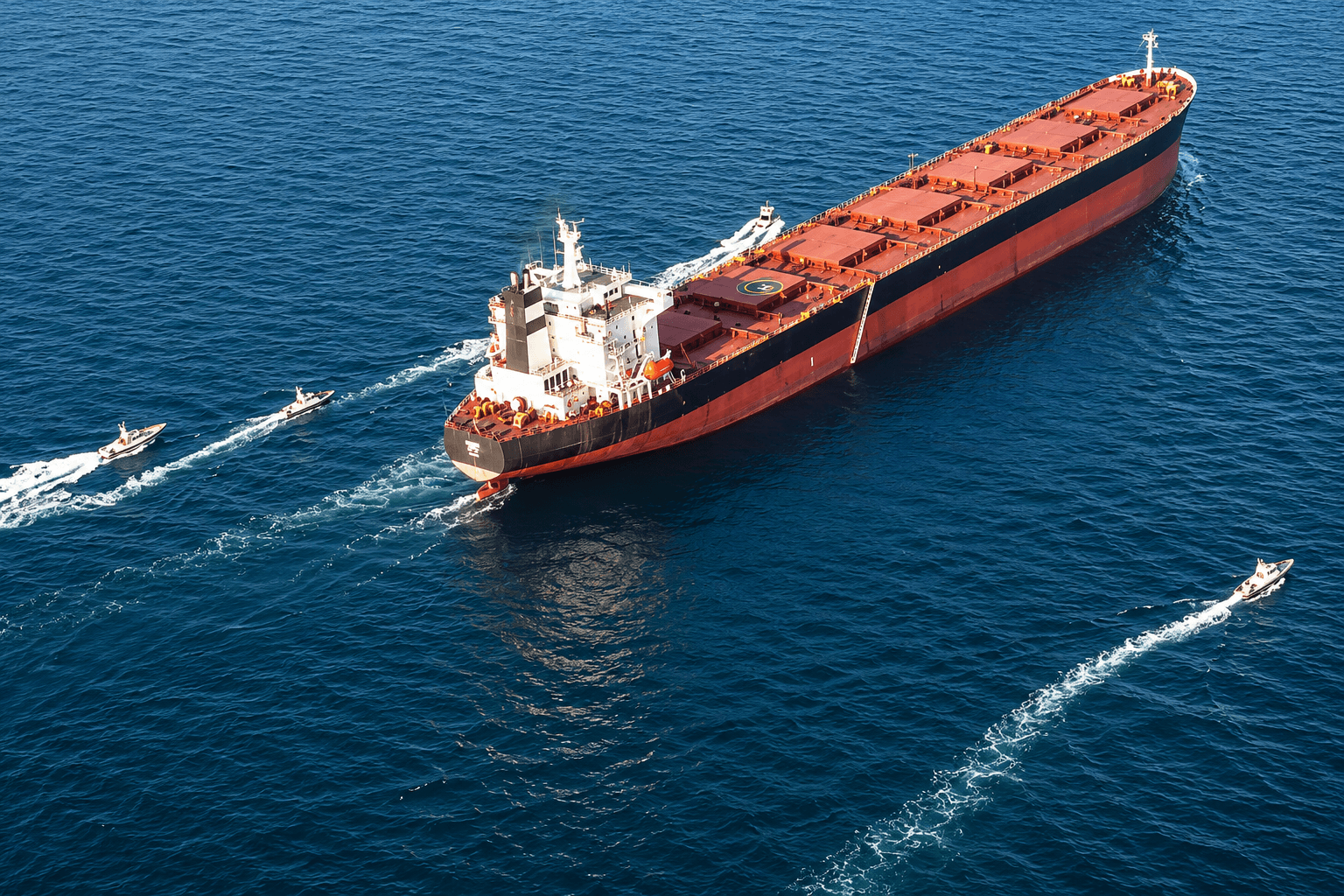
Global shipping is entering another uncertain period as geopolitical tensions and maritime security threats put some of the world's busiest trade routes under pressure. From the Strait of Hormuz to the Red Sea and Black Sea, shipping companies are reassessing their routes, delaying voyages and weighing the risks of sending vessels through increasingly unstable waters.
The impact extends well beyond the regions directly affected. Maritime transport carries most of the world's merchandise trade by volume, linking manufacturers, energy producers, agricultural exporters and consumers across continents. When a major shipping corridor is disrupted, the effects can spread quickly, affecting everything from crude oil and industrial components to grain and everyday consumer goods.
The International Maritime Organization (IMO) reported on 22 October that around 20,000 seafarers, port workers and offshore crews had been affected by the continuing instability around the Strait of Hormuz. The organisation has been monitoring developments and coordinating with international partners to address the risks facing commercial shipping and maritime workers.
Meanwhile, renewed security concerns near Yemen's Red Sea coastline have put the southern entrance to the Red Sea, the Bab el-Mandeb Strait, back under scrutiny. Some shipping companies have started returning to the shorter route through the Red Sea and Suez Canal, but the security situation remains fragile.
For shipping operators, the decision is becoming increasingly complicated. Taking a shorter route can save fuel, time and money, but the threat of an attack, rising insurance premiums or an unexpected diversion can quickly wipe out those savings.
The challenge is no longer simply about moving cargo as efficiently as possible. Companies must also protect their crews, safeguard their vessels and keep goods moving through a global trading system increasingly exposed to geopolitical shocks.
STRAIT OF HORMUZ — A CRITICAL ENERGY CORRIDOR UNDER PRESSURE
Shipping restrictions create a growing backlog
The Strait of Hormuz remains one of the world's most important maritime chokepoints. Connecting the Persian Gulf with the Gulf of Oman, it provides a vital passage for oil, liquefied natural gas and other exports from Gulf producers to international markets.
Ongoing military tensions and restrictions on commercial passage have severely affected shipping activity. A maritime security assessment published on 25 October reported that nearly 500 vessels were waiting in anchorages outside the strait, while traffic through the waterway remained limited. The assessment also described the security threat as severe.
Such a backlog can quickly create problems across the shipping industry. Vessels waiting to enter or leave the strait risk missing delivery windows, while operators face higher fuel costs, difficult crew-management decisions and uncertainty over arrival times.
The consequences are particularly serious for energy markets. Delays to crude oil and fuel shipments can make supplies less predictable, complicate refinery planning and push buyers to seek alternative cargoes, potentially at higher prices.
Even countries that do not import oil directly through the strait can feel the effects. When a major energy corridor comes under pressure, global oil prices, freight charges and the cost of transporting goods can all come into play.
Seafarer safety becomes an urgent concern
Behind the shipping figures are thousands of people working aboard commercial vessels in difficult and potentially dangerous conditions. Crews may have to remain at anchor for extended periods, work around uncertain departure schedules and deal with the possibility of military activity or attacks nearby.
The IMO has called for attacks on merchant vessels and seafarers to stop, highlighting the human cost of the crisis. Its regional response includes coordination with member states and international partners.
For shipowners, crew safety must remain a priority, even when commercial pressure to deliver cargo is intense. Delaying a voyage or taking a longer route can be expensive, but exposing a vessel and its crew to serious danger carries far greater risks.
The growing backlog also underlines the need for reliable maritime communications, coordinated security assessments and clear procedures for assisting ships caught in affected waters.
RED SEA AND BAB EL-MANDEB — ANOTHER PRESSURE POINT FOR GLOBAL SHIPPING
The Red Sea is a vital link between Asian manufacturing centres, the Suez Canal and European markets. At its southern entrance, the Bab el-Mandeb Strait connects the Red Sea with the Gulf of Aden and the wider Indian Ocean.
Security concerns around Yemen have made the route difficult for shipping companies to assess. Houthi activity and the wider regional conflict have raised concerns about the vulnerability of commercial vessels travelling through the area.
The timing is significant. Some shipping lines have been returning to the Red Sea after years of diversions around southern Africa. Industry reporting published on 21 October indicated that roughly 63% of pre-crisis container-shipping capacity had returned to the route. However, renewed security concerns could slow that recovery or prompt companies to change course again.
Why the Suez Canal matters
The Suez Canal offers one of the shortest maritime connections between Europe and Asia. When shipping companies avoid the Red Sea, vessels often have to travel around the Cape of Good Hope at the southern tip of Africa.
That detour can add considerable sailing time, fuel consumption and operating costs. It can also disrupt vessel availability, port schedules and the timing of subsequent deliveries.
For container shipping, the effects rarely stop with a single delayed vessel. A ship that misses its scheduled port call can leave containers unavailable for their next journey, disrupt connections with other vessels and contribute to congestion at terminals further along the route.
Businesses may then face higher freight charges, longer waiting times and greater uncertainty about when their goods will arrive. Some of those additional costs may eventually reach consumers.
A fragile return to normal operations
Shipping companies now face a difficult balancing act: returning to shorter routes to improve efficiency without exposing vessels to unacceptable security risks.
Using the Red Sea can reduce sailing times and operating expenses when conditions are sufficiently secure. But if threats increase, carriers may once again divert ships around Africa, bringing longer journeys and less predictable delivery schedules.
This shows how quickly commercial decisions can change when the security environment shifts. A complete closure of the waterway is not necessary for disruption to spread. Uncertainty alone can influence routing decisions, insurance costs and investment plans.
For now, a sustained return to normal operations will depend on whether shipping companies can operate with greater confidence that their vessels and crews will remain safe.
BLACK SEA — WAR RISKS THREATEN FOOD AND COMMODITY FLOWS
The Black Sea remains another source of uncertainty for international shipping, particularly for agricultural exports from Russia and Ukraine.
The region plays an important role in global grain markets. Disruptions to port operations, attacks affecting commercial vessels and higher insurance costs can all make it harder to move wheat and other agricultural commodities to importing countries.
On 8 October, the World Food Programme warned that simultaneous disruptions affecting the Strait of Hormuz, Red Sea and Black Sea were putting pressure on global food systems. Longer routes, higher transport costs and delivery delays can make it harder to procure food and deliver humanitarian assistance where it is needed.
For countries that depend on imported grain, fertiliser and energy, these pressures can build on one another. Higher freight charges raise the cost of bringing essential goods into the country, while delays can complicate purchasing plans and make deliveries less reliable.
Food security becomes part of the shipping crisis
The consequences can be especially severe for lower-income countries and communities already struggling with food insecurity.
When grain shipments are delayed or transport becomes more expensive, governments and aid organisations may have to adjust procurement plans, find alternative suppliers or pay more to secure the supplies they need.
Humanitarian operations can face additional difficulties when cargoes must be rerouted or transshipment schedules change. The World Food Programme has reported that disruptions along some affected routes have added weeks to delivery times, creating challenges for operations that depend on predictable maritime transport.
The wider concern is that shipping disruption can affect more than trade volumes and business profits. It can influence food affordability, agricultural production and the ability of humanitarian organisations to reach vulnerable populations.
For countries already facing high food costs, even a temporary increase in transport expenses can make an already difficult situation worse.
FREIGHT COSTS, INSURANCE AND SUPPLY CHAINS UNDER STRAIN
The financial impact of shipping disruption begins long before goods reach their destination.
Carriers may have to pay for additional fuel, extended crew deployments, security measures and higher war-risk insurance premiums. Ports must cope with irregular arrivals, while importers can face storage charges, production delays and shortages of essential components.
Businesses operating with tightly managed supply chains are particularly vulnerable. A delayed shipment of electronics, machinery parts or industrial chemicals can interrupt production, even if that shipment represents only a small part of the finished product.
To limit the damage, companies may hold larger inventories, diversify their suppliers or negotiate more flexible delivery arrangements. These measures can make supply chains more resilient, but they also increase operating expenses and tie up working capital.
For smaller businesses, the extra financial burden can be particularly difficult to absorb.
Will consumers pay more?
Whether shipping disruption leads to higher consumer prices will depend on how long the problems last and how severe they become.
If transport costs rise for only a short period, businesses may absorb some of the increase. If the pressure continues, companies may pass part of the additional expense on to customers.
Higher energy prices can add another layer of pressure by increasing the cost of transport, manufacturing and food production. Together, these factors can contribute to inflation.
However, higher freight costs do not automatically mean that every product will become more expensive. Exchange rates, existing inventories, domestic competition, government policies and the availability of alternative suppliers all influence how much of the increase reaches consumers.
Policymakers will need to monitor these pressures carefully while recognising that the effects will differ across industries and markets.
INDIA AND ASIA FACE A TEST OF TRADE RESILIENCE
India and other Asian economies are exposed to maritime disruption through energy imports, exports to Europe, imported industrial materials and the movement of goods through Gulf and Red Sea shipping corridors.
Indian exporters serving European markets may face longer transit times when vessels divert around Africa. Importers could encounter higher freight and insurance bills, while manufacturers that depend on overseas components may need to adjust production schedules.
The impact will vary by sector. Pharmaceuticals, engineering goods, textiles, electronics and agricultural products have different shipping requirements and different levels of sensitivity to delays.
For some businesses, a longer journey may be manageable. For others, even a short delay can disrupt production commitments or cause them to miss delivery deadlines.
Diversification becomes a strategic priority
Businesses can reduce some of these risks by diversifying suppliers, exploring alternative ports and reviewing inventory policies. Governments can help by improving port infrastructure, strengthening logistics coordination and supporting access to multiple trade corridors.
But alternatives have limits. Rail and road transport cannot replace maritime shipping at a comparable scale for many international cargoes, while alternative sea routes can be significantly longer and more expensive.
For India, the challenge is to protect export competitiveness while managing the cost of imported energy and raw materials. Other Asian economies face similar pressures as they work to keep factories supplied and maintain access to overseas markets.
The crisis is a reminder that trade resilience depends on more than manufacturing capacity. Businesses also need safe, reliable and affordable routes connecting them with suppliers and customers around the world.
WHAT SHIPPING COMPANIES AND GOVERNMENTS MUST DO NEXT
The immediate priority is to protect commercial vessels and their crews while keeping essential goods moving wherever it is safe to do so.
Shipping companies need to review routes against the latest security information, maintain contact with maritime authorities and ensure crews understand the procedures to follow if conditions deteriorate. Governments and international organisations also have a role to play in improving information-sharing, supporting safe navigation and preventing commercial shipping from becoming a target in regional conflicts.
Importers and exporters need practical contingency plans of their own. Alternative routes, diversified suppliers, additional inventory and more flexible delivery contracts can help businesses manage delays, although none of these measures removes the underlying security risks.
Over the longer term, the crisis could encourage greater investment in resilient supply chains and push governments to treat ports, shipping lanes and maritime infrastructure as strategic priorities.
That resilience, however, comes at a price. Maintaining spare capacity, alternative routes and larger inventories can be expensive. Smaller businesses and countries with limited financial resources may struggle to absorb those costs.
A lasting improvement will depend on more than logistical adjustments. Reduced conflict, predictable access to major waterways and stronger international cooperation will be essential to restoring confidence in global shipping.
WHAT TO WATCH NEXT
Strait of Hormuz traffic: Whether vessel movements recover, the backlog eases and commercial passage becomes more predictable.
Red Sea security: Whether shipping companies continue returning to the Suez Canal route or resume diversions around the Cape of Good Hope.
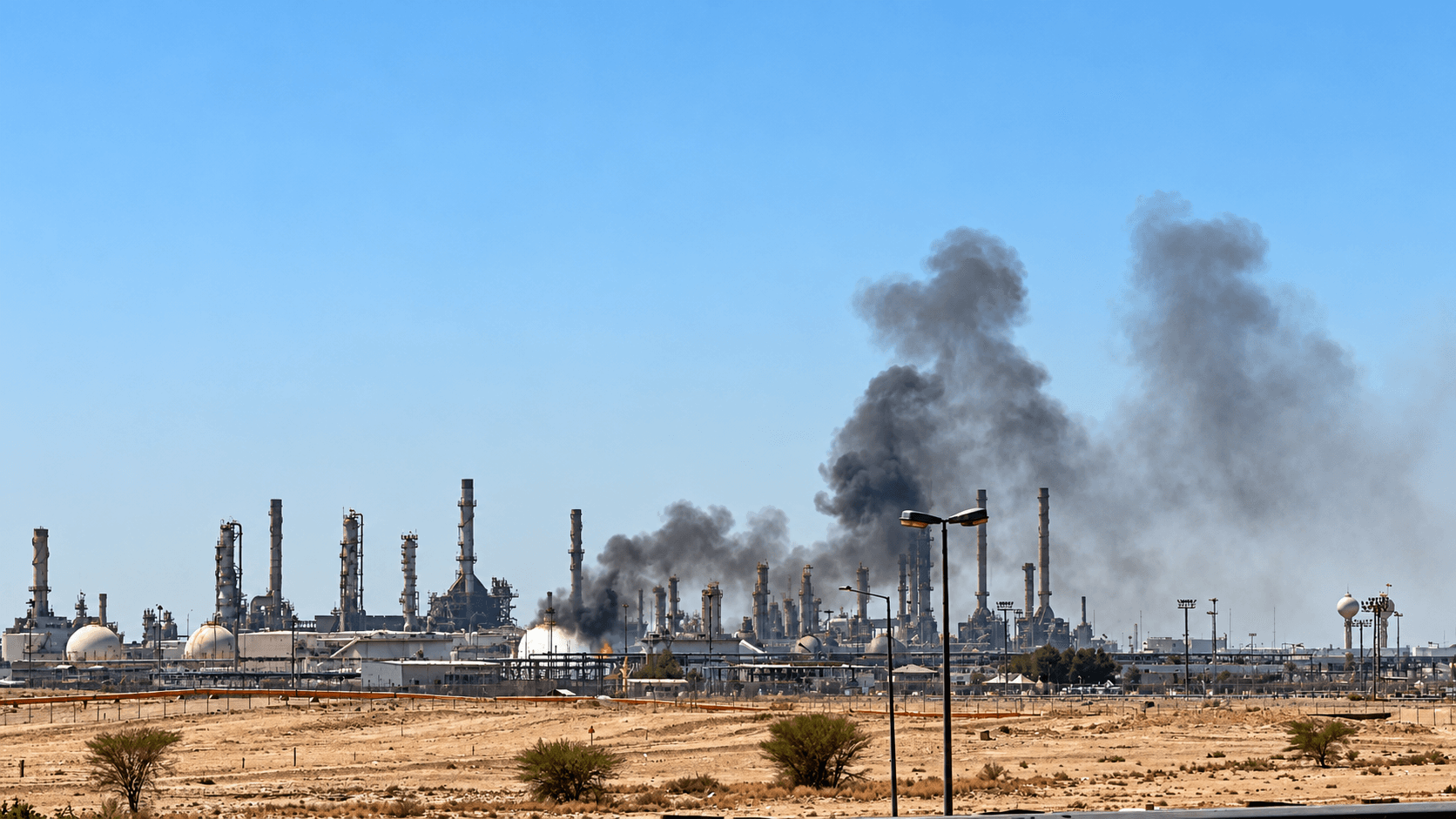
Maritime attacks: Any new incidents involving tankers, container ships, ports or offshore energy infrastructure.
Freight and insurance costs: Whether shipping rates, war-risk premiums and fuel expenses remain elevated or begin to ease.
Energy prices: How oil and gas markets respond to changes in Gulf shipping activity and regional security.
Food and fertiliser supplies: Whether disruption in the Black Sea and Middle East increases costs for agricultural importers and humanitarian agencies.
India's trade outlook: Whether longer voyages and higher logistics costs affect export competitiveness, import bills and manufacturing schedules.
International security cooperation: Whether diplomatic efforts lead to practical arrangements that protect seafarers and restore more reliable commercial navigation.
FACT CHECK METER
95% — Strongly supported core reporting
Status: Supported
This is an editorial assessment of the supporting evidence, not a statistically measured probability.
Confirmed details
On 22 October 2026, the International Maritime Organization reported that approximately 20,000 seafarers, port workers and offshore crews were affected by instability around the Strait of Hormuz.
A maritime security assessment published on 25 October reported that approximately 492 vessels were waiting outside the Strait of Hormuz.
Industry reporting on 21 October indicated that approximately 63% of pre-crisis container-shipping capacity had returned to the Red Sea route.
The World Food Programme highlighted how simultaneous disruption to the Strait of Hormuz, Red Sea and Black Sea could put pressure on food, fuel and fertiliser supply chains.
Important distinctions
The reported vessel backlog is a snapshot from a maritime security assessment, not a permanent count.
A partial return to the Red Sea does not mean the route is fully secure or that all shipping companies have resumed normal operations.
Higher freight costs can contribute to inflation, but the effect on retail prices varies by market, product and the length of the disruption.
Future attacks, route closures and supply shortages remain potential risks, not confirmed outcomes.
AWX VERDICT: The available reporting supports the central conclusion that geopolitical instability is disrupting major maritime corridors and increasing uncertainty for global trade. The eventual economic impact will depend on how the security situation develops, how long disruptions persist and whether reliable alternative routes remain available.
THE AWX BOTTOM LINE
Global shipping is facing a difficult combination of geopolitical conflict, maritime security threats and supply-chain uncertainty. The Strait of Hormuz is vital to energy transport, the Red Sea connects Asian and European markets, and the Black Sea remains important to international grain supplies.
Disruption along any one of these routes can delay deliveries and raise costs. When several major corridors face pressure at the same time, the challenge becomes much greater, particularly for energy-importing economies, countries dependent on food imports and businesses operating with limited inventory.
For India and other Asian economies, the priority is to maintain access to essential imports, protect export competitiveness and strengthen logistics networks. For shipping companies, the safety of crews and vessels must take precedence over the commercial advantages of shorter routes.
The broader lesson is clear: global trade depends not only on production and demand but also on secure, reliable maritime corridors. When those routes become unpredictable, the effects can spread quickly through energy markets, factories, food systems and household budgets.
The decisive question is whether international cooperation can help keep essential shipping moving safely before prolonged disruption develops into a deeper economic shock.
ATTLAS NEWS | AWX WORLD NEWS
Real Stories. Lasting Impact.


Comments
No comments yet.