

Hopes for a fresh diplomatic push to end the Russia–Ukraine war are facing an early setback after Russian missile strikes hit Kyiv and other parts of Ukraine, killing civilians and damaging homes and critical infrastructure. The attacks came as Moscow signalled its willingness, in principle, to resume trilateral peace talks involving Russia, Ukraine and the United States.
The timing has raised fresh questions about whether negotiations can gain traction while the fighting remains intense. Ukrainian President Volodymyr Zelenskyy has argued that Russia's continued attacks show little sign of a change in its approach to the war. Moscow, meanwhile, has continued its military campaign and reported intercepting large numbers of Ukrainian drones.
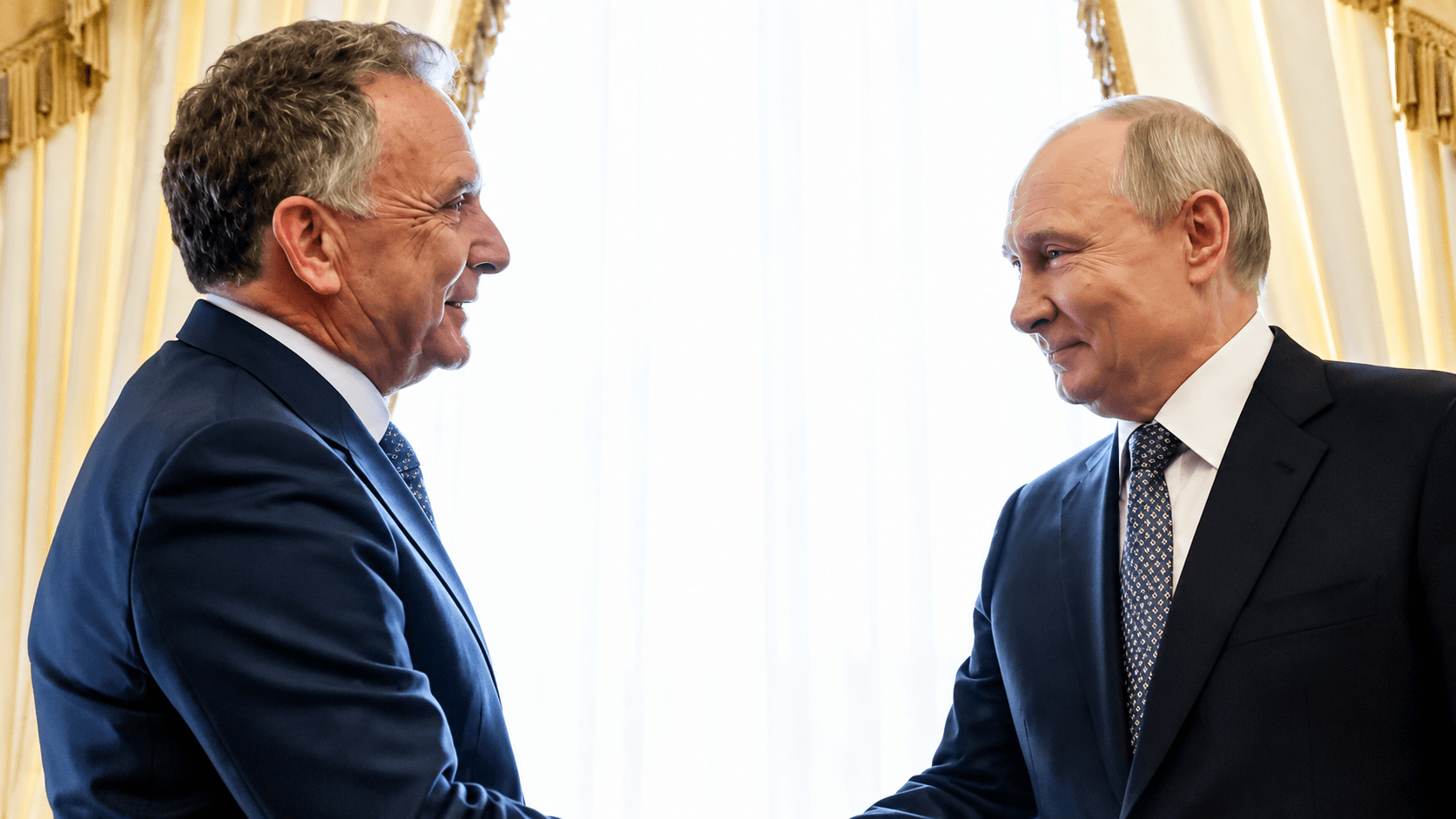
The proposed talks follow a meeting between US special envoy Steve Witkoff and Russian President Vladimir Putin in St Petersburg. According to published reports, Putin agreed in principle to restart negotiations after 10 November. However, the three countries have yet to confirm a date, venue or final agenda. The United Arab Emirates has been mentioned as a possible location.
For Washington, renewed talks offer another chance to find a way out of a conflict that began with Russia's full-scale invasion of Ukraine in February 2022. For Kyiv, the priority is to secure an agreement that ends the fighting without leaving the country exposed to another attack.
The latest strikes have made that task even harder. Getting both sides back to the negotiating table would be a start, but the real test will be whether they can agree on terms that lead to fewer attacks and a lasting reduction in violence.
KYIV UNDER FIRE AS DIPLOMATIC EFFORTS RESUME
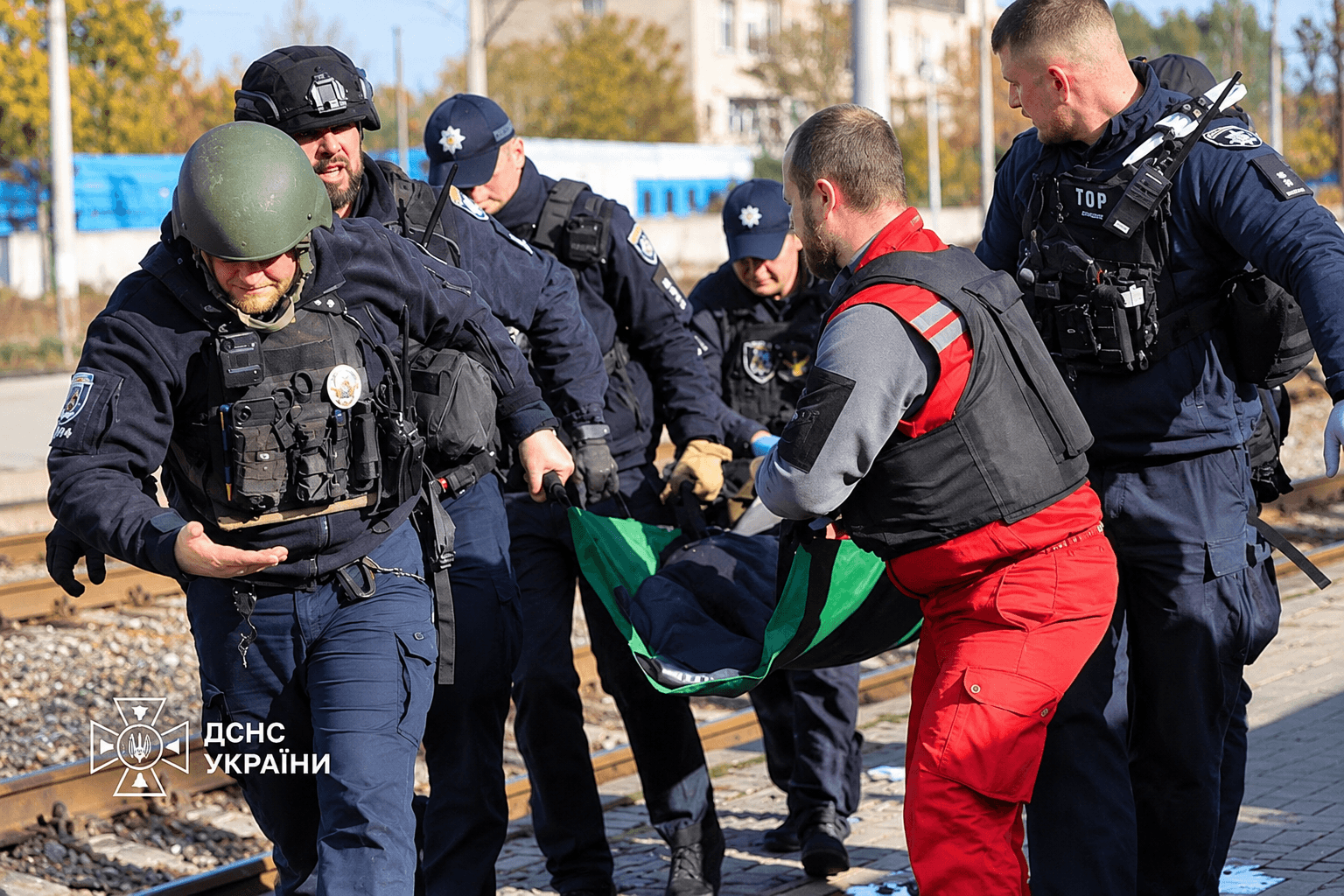
Ukraine's capital came under attack during an overnight barrage involving ballistic missiles and other weapons. Ukrainian authorities reported strikes across 12 regions, with residential buildings, transport networks, energy facilities and commercial properties among the sites damaged.
According to reporting by The Associated Press on 22 October, at least four people were killed across Ukraine and dozens more were injured, including children. Kyiv faced three waves of ballistic missile attacks, and Ukrainian officials said 21 missiles had been fired at the capital.
The latest assault has renewed concerns about Ukraine's ability to protect its cities as winter approaches. Damage to power networks and other essential infrastructure could disrupt heating, electricity and water supplies just as temperatures begin to fall.
Kyiv has continued to urge its international partners to provide more air-defence ammunition, particularly for US-made Patriot systems that can intercept certain ballistic missile threats. Maintaining an adequate supply of these systems and their ammunition remains a major challenge for Ukraine.
For Ukrainian officials, the attacks reinforce a central argument: diplomatic discussions alone are unlikely to stop the war unless they are accompanied by meaningful changes on the battlefield.
Moscow also reports large-scale drone attacks
The overnight exchanges were not limited to Russian strikes on Ukraine. Russian authorities said their air-defence systems intercepted 808 Ukrainian drones heading towards Moscow and other areas, including 630 reportedly directed towards the Russian capital. These figures have not been independently verified in full.
Russian officials reported that the attacks affected several locations and disrupted some infrastructure and transport operations. Ukraine has increasingly relied on long-range drones to strike targets inside Russia, including facilities linked to the energy sector and military supply chains.
The continuing exchanges highlight the difficult position facing negotiators. Both countries are still trying to gain an advantage on the battlefield, even as diplomatic contacts resume. So far, there is little evidence that the latest initiative has led to a broader reduction in hostilities.
A NEW ROUND OF PEACE TALKS TAKES SHAPE
The proposed negotiations are part of renewed US efforts to bring Moscow and Kyiv into discussions with American mediation.
Putin reportedly agreed in principle to resume trilateral talks after meeting Witkoff in St Petersburg on 21 October. Witkoff had also met Zelenskyy in Norway, where the sides discussed diplomatic proposals and possible next steps towards negotiations.
US President Donald Trump has presented the diplomatic effort as a significant opportunity to bring the war to an end. But the optimism coming from Washington has yet to translate into an agreement on the issues that continue to divide Russia and Ukraine.
Earlier rounds of US-mediated discussions in Abu Dhabi and Geneva made limited progress, with practical arrangements such as prisoner exchanges among the more tangible outcomes. The next round will need to address the deeper disagreements that have repeatedly stalled efforts to end the conflict.
The venue, the level of representation and the agenda will all matter. Officials can use technical discussions to prepare proposals, but a lasting settlement will ultimately require difficult political decisions on territory, security and the future relationship between the two countries.
The central disagreements remain unresolved
Russia continues to press for territorial and political concessions from Ukraine, including demands concerning parts of eastern Ukraine and restrictions on Kyiv's military capabilities and international security partnerships.
Ukraine rejects any settlement that would undermine its sovereignty or leave it vulnerable to another invasion. Zelenskyy's government has maintained that a credible agreement must include meaningful security guarantees and arrangements to prevent Russia from launching another attack.
The two positions remain far apart. Even if negotiations restart in November, agreement to resume discussions will not necessarily bring the countries closer to a final settlement.
For mediators, the immediate challenge will be to identify areas where limited progress is possible without asking either side to accept terms it considers fundamentally unacceptable.
WASHINGTON FACES PRESSURE TO BALANCE DIPLOMACY AND DETERRENCE
The United States remains central to the latest diplomatic effort, but its approach has raised questions among Ukrainian officials and some European governments.
Washington wants to negotiate an end to the conflict while also managing domestic political pressures, energy costs and disagreements over future military assistance. Decisions involving sanctions and Russian energy supplies have added to the debate over how economic pressure on Moscow fits into the broader peace initiative.
Zelenskyy has called for continued pressure on Russia and additional air-defence support. His position is that Moscow will have little reason to change course if it can continue its military campaign without facing significant consequences.
European governments face a similar dilemma. They want the fighting to end, but many remain concerned that a settlement without Ukraine's full participation or enforceable security guarantees could leave the region vulnerable to renewed instability.
The challenge for Washington is therefore about more than arranging another meeting. It must help convince both sides that negotiations offer a more viable path than continued fighting, while addressing fears that a poorly structured agreement could leave Ukraine strategically exposed.
WINTER ADDS URGENCY TO THE CONFLICT
With winter approaching, the consequences of continued attacks are becoming an increasingly urgent concern for Ukraine's civilian population.
Repeated strikes on electricity infrastructure have raised fears about the reliability of heating, power and water supplies during the colder months. Repairing damaged facilities while attacks continue places additional pressure on emergency crews, energy companies and local authorities.
The effects can spread far beyond the areas directly hit. Power cuts can disrupt hospitals, public transport, communications and water systems. Prolonged outages can also affect businesses and force families to leave their homes temporarily.
Protecting energy infrastructure and securing enough air-defence equipment are therefore immediate priorities for Kyiv, alongside its efforts to pursue a diplomatic settlement.
Winter could also influence the calculations of both sides. The prospect of widespread disruption may increase pressure for a pause in fighting, but the season could bring further attempts to damage infrastructure and weaken the other side's ability to sustain the war.
For that reason, the protection of civilians and the restoration of essential services will be important indicators of whether the conflict is genuinely becoming less intense.
WHAT TO WATCH NEXT
Confirmation of a meeting date: An official announcement setting the date, venue and participants would show whether the proposed negotiations are moving forward.
Ukraine's security guarantees: Proposals for monitoring, enforcement and long-term military support will be central to Kyiv's assessment of any potential settlement.
Russia's territorial demands: Any willingness by Moscow to reconsider its demands, and Kyiv's response, could indicate whether there is room for meaningful progress.
Missile and drone attacks: Continued large-scale strikes after diplomatic contacts would deepen doubts about whether negotiations are influencing military decisions.
US military and diplomatic policy: Decisions on air-defence ammunition, sanctions and energy trade could affect both battlefield conditions and negotiating leverage.
European involvement: The extent of European participation, particularly in any future security arrangements, will be important to the prospects of a lasting agreement.
Winter energy security: Further damage to power stations, electricity networks and heating infrastructure could worsen the humanitarian situation as temperatures fall.
FACT CHECK METER
98% — STRONGLY SUPPORTED
Editorial assessment based on the cited reporting available for this article. This percentage is not a statistical probability or an independently calculated measure of accuracy.
Confirmed details
Russia launched a major overnight missile attack on Kyiv and other Ukrainian regions on 22 October.
Ukrainian authorities reported civilian deaths, injuries and damage to residential buildings and critical infrastructure.
Putin reportedly agreed in principle to resume trilateral negotiations involving Russia, Ukraine and the United States.
The reporting cited did not establish a final meeting date or a peace agreement.
Russia and Ukraine continued to exchange long-range attacks despite renewed diplomatic efforts.
Important distinctions
An agreement in principle to resume negotiations is not a ceasefire or a peace deal.
Casualty figures can change as emergency services provide updated assessments.
Claims about intercepted drones and military targets should be attributed to the authorities reporting them unless independently verified.
The timing of the attacks raises questions about the credibility of the diplomatic initiative, but does not, by itself, establish either side's intentions.
AWX Verdict: The reported missile attacks and renewed diplomatic contacts point to two developments unfolding at the same time: the search for a negotiated settlement and the continuation of the war. The gap between Russia's and Ukraine's positions remains substantial. A confirmed meeting would be a step forward, but a measurable decline in attacks and credible progress on security guarantees would provide stronger evidence that diplomacy is making a difference.
THE AWX BOTTOM LINE
Ukraine's peace efforts face a difficult test as renewed US-led diplomacy unfolds alongside continued missile and drone attacks. Moscow's reported willingness to return to negotiations offers a possible opening, but the latest strikes on Kyiv have reinforced doubts about whether that opportunity will lead to a meaningful change on the ground.
The obstacles remain considerable. Territorial disputes, security guarantees, military assistance and Ukraine's future relationship with Western partners all stand between the two sides and a lasting settlement.
For civilians, the immediate danger is more pressing. Continued attacks on cities and energy infrastructure threaten lives and essential services at a time when Ukraine is preparing for winter.
The bottom line: Returning to the negotiating table could create an opportunity for progress, but the real measure of success will be what follows. Until discussions produce concrete commitments, credible security arrangements and a sustained reduction in attacks, the prospect of peace will remain uncertain.
ATTLAS NEWS | AWX WORLD NEWS
Real Stories. Lasting Impact.


Comments
No comments yet.