

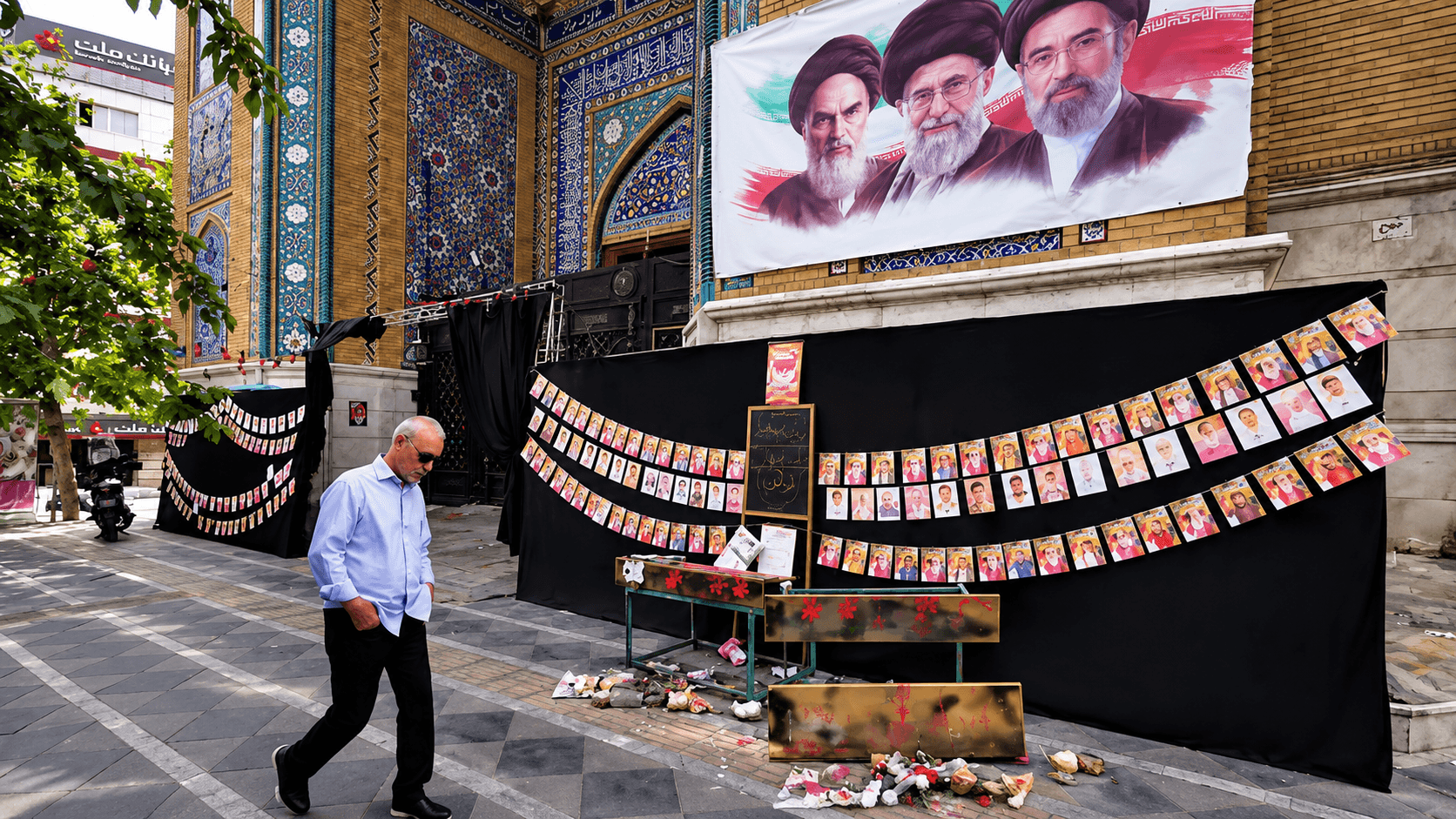
Diplomatic efforts to ease tensions between the United States and Iran remain stuck, with both sides struggling to agree on the terms needed to end the conflict and restore stability across the Gulf. Communication through regional intermediaries is continuing, but major differences over sanctions, Iran’s nuclear programme, military pressure and access to key shipping routes remain unresolved.
Tehran has signalled that it is willing to keep the door open to negotiations, but it wants Washington to address several of its demands before substantive progress can be made. The United States, meanwhile, is pushing for tighter restrictions on Iran’s nuclear activities and stronger guarantees on regional security, particularly around the strategically important Strait of Hormuz.
Previous diplomatic efforts have failed to deliver a lasting settlement, adding to the uncertainty surrounding the latest talks. Reuters reporting published on 20 October indicated that Iranian officials remained deeply suspicious of Washington and feared that further military action could still take place. That lack of trust continues to make an agreement harder to reach.
The consequences extend far beyond Washington and Tehran. Any prolonged disruption in the Gulf could threaten international shipping, unsettle energy markets and increase the risk of a wider regional confrontation. For countries that depend heavily on imported oil and gas, the diplomatic deadlock is becoming an economic concern as well as a security issue.
NUCLEAR DISPUTE REMAINS THE BIGGEST OBSTACLE
Iran’s nuclear programme remains one of Washington’s main concerns. US officials want meaningful restrictions on uranium enrichment as part of any broader agreement. Tehran, however, insists that its nuclear activities are peaceful and argues that its rights and security concerns must be recognised.
The disagreement is not limited to the terms of a possible deal. The two governments also differ over what should happen first.
Washington wants nuclear restrictions to be a central part of negotiations. Iran, on the other hand, has pushed for progress on ending hostilities, easing economic pressure and resolving the maritime blockade before moving into wider nuclear discussions.
That difference in priorities has become a major stumbling block. Both sides may recognise the risks of a prolonged conflict, but they have yet to agree on a negotiating framework that addresses their immediate concerns.
Any lasting settlement would need to go beyond general promises. It would require clearly defined commitments, a workable timetable and a reliable system for checking whether both sides are meeting their obligations.
Without those safeguards, even a political breakthrough could prove difficult to sustain.
SANCTIONS RELIEF AND THE NAVAL BLOCKADE KEEP TALKS STALLED
Economic pressure remains another major point of contention.
Iran wants sanctions eased, access to frozen assets restored and the US naval blockade lifted. Tehran sees these measures as essential parts of any settlement and is unlikely to view negotiations as meaningful if they leave the country's economic restrictions largely unchanged.
Washington, however, is reluctant to give up important sources of leverage without securing clear commitments from Iran in return.
This leaves both sides facing a difficult choice. Iran wants economic relief and greater security assurances before making significant concessions, while the United States wants verifiable changes in Iranian behaviour before agreeing to substantial relief.
One possible way forward would be a phased agreement. Under such an arrangement, Washington could ease selected restrictions as Iran meets specific, independently verified commitments.
But even that approach would require agreement on the order of concessions, how compliance would be checked and what would happen if either side failed to honour its commitments.
For now, there is little indication that both governments have settled on a formula that bridges these differences.
STRAIT OF HORMUZ BECOMES A KEY FLASHPOINT
The Strait of Hormuz remains central to the crisis, not least because of its importance to global energy supplies.
The narrow waterway links the Persian Gulf with international shipping routes and serves as a major passage for seaborne oil and liquefied natural gas. Disruptions can quickly affect energy prices, tanker insurance, freight charges and the cost of supplies for importing countries.
Iran has tied the reopening of the strait to its broader conditions for ending hostilities. Its demands have included lifting the US naval blockade and easing restrictions on Iranian oil exports.
Washington, meanwhile, wants safe and reliable passage for commercial vessels and an end to security threats linked to the confrontation.
With both sides treating maritime access as a central issue, the waterway has become both a security concern and a bargaining point. Without clear arrangements for shipping, the risk of further incidents could remain high even if diplomatic contacts continue.
The economic stakes are significant for countries such as India, Japan and South Korea, all of which rely on imported energy. A prolonged disruption could push up import bills, increase transport costs and add to domestic inflationary pressures.
REGIONAL MEDIATORS TRY TO KEEP DIPLOMACY ALIVE
Pakistan and Qatar have remained important channels for communication between Washington and Tehran. Their involvement gives both sides a way to exchange proposals and explore possible compromises without necessarily entering direct negotiations.
Pakistan has pursued diplomatic efforts to bring the parties closer to an agreement, while Qatar continues to play a role in regional mediation.
Still, keeping communication open is only the first step. Mediators can carry messages, clarify positions and suggest compromises, but the final decisions rest with the governments involved.
Deep mistrust is making that task particularly difficult. Iranian officials remain concerned that negotiations could be followed by further military action, while Washington wants assurances that any agreement would produce concrete and verifiable results.
Neighbouring countries have reasons of their own to push for de-escalation. Continued instability threatens energy infrastructure, trade routes and investor confidence across the Gulf.
Unless Washington and Tehran show greater flexibility on their main demands, regional mediation may keep the conversation going without delivering an immediate breakthrough.
FEARS OF RENEWED MILITARY ACTION CLOUD THE OUTLOOK
As negotiations struggle to move forward, concerns about another round of fighting remain difficult to ignore.
Reuters reported on 20 October that Iranian officials believed further US or Israeli attacks remained possible. US President Donald Trump has also maintained a tough public stance, leaving the possibility of renewed military action as a factor in the diplomatic calculations of both sides.
Military pressure can sometimes push governments towards negotiations, but it can also make compromise harder. When each side suspects the other may use talks to gain an advantage, even limited concessions can become politically difficult to justify.
A fresh confrontation could put military installations, energy infrastructure and commercial shipping at risk. It could also prompt retaliation and draw other countries deeper into the crisis.
Yet the continuation of indirect contacts suggests that diplomacy has not completely broken down. Both sides still have channels through which proposals can be exchanged, even if there is little evidence of a clear path towards a comprehensive settlement.
The immediate challenge is to use those channels to secure practical steps that reduce the risk of further escalation. A limited arrangement on maritime security or a temporary reduction in hostilities could create room for more difficult negotiations later.
Whether either side is prepared to take that first step remains uncertain.
GLOBAL ENERGY MARKETS BRACE FOR FURTHER UNCERTAINTY
The diplomatic deadlock is adding to uncertainty in energy markets, where developments in the Middle East can quickly influence prices and supply expectations.
Oil prices are particularly sensitive to concerns about the Strait of Hormuz. Even without a complete closure, rising security risks can increase tanker insurance premiums, raise freight costs and complicate the movement of energy cargoes.
India could face additional pressure if crude prices rise for an extended period. Higher oil import costs can weigh on the rupee, increase the burden on businesses and complicate efforts to contain inflation. The actual impact would depend on the duration of the crisis, the scale of any supply disruption and the availability of alternative sources.
Energy-importing countries may respond by diversifying suppliers, drawing on strategic reserves or adjusting purchasing schedules. However, replacing Gulf supplies is not always straightforward, particularly when alternative cargoes are more expensive or take longer to arrive.
Financial markets could also feel the effects. Prolonged uncertainty may influence investor sentiment, currency movements and borrowing costs, especially in economies vulnerable to imported energy prices.
A credible ceasefire and a workable agreement on maritime access could help ease some of these concerns. Until there is clearer progress, however, traders and policymakers are likely to remain focused on developments in the Gulf and any signals of a diplomatic breakthrough.
FACT CHECK METER
Accuracy assessment: 96% — The central diplomatic impasse is supported by the reporting cited in the original draft.
Confirmed details:
Indirect communication between Washington and Tehran has continued through regional intermediaries, according to the reporting referenced in the original article.
Iran has sought sanctions relief, access to frozen assets, an end to the US naval blockade and arrangements concerning the Strait of Hormuz.
Washington continues to seek meaningful restrictions on Iran’s nuclear programme.
Pakistan and Qatar have been involved in diplomatic efforts related to the crisis.
Concerns about possible renewed military action remain an obstacle to progress.
Important distinctions:
Ongoing diplomatic contacts do not mean that a ceasefire or comprehensive settlement has been reached.
The terms and timing of any future agreement remain uncertain.
Possible effects on oil prices, shipping costs and regional security are risks, not guaranteed outcomes.
Reported concerns about military action should not be confused with confirmation that an attack has been ordered or will take place.
AWX VERDICT: The central problem is not simply a lack of communication. Washington and Tehran remain divided over nuclear restrictions, sanctions relief, maritime security and the order in which concessions should be made. A breakthrough remains possible, but a lasting settlement will require practical commitments and a degree of trust that is currently in short supply.
WHAT TO WATCH NEXT
Indirect negotiations: Look for announcements from Washington, Tehran, Pakistan or Qatar indicating that a new negotiating framework has been agreed.
Nuclear restrictions: Watch for specific proposals on uranium enrichment, verification and confidence-building measures.
Strait of Hormuz: Track commercial shipping movements, maritime security incidents and any agreement to restore predictable passage.
Sanctions and blockade: Monitor proposals involving Iranian oil exports, frozen assets and restrictions on maritime traffic.
Military developments: Pay attention to regional deployments, official warnings and incidents that could derail diplomatic efforts.
Oil and shipping costs: Watch how developments affect crude prices, tanker insurance and the cost of energy imports.
Regional mediation: Follow efforts by Pakistan, Qatar and other diplomatic partners to narrow the differences between the two governments.
THE AWX BOTTOM LINE
US–Iran diplomacy remains stuck between competing demands and a serious lack of trust. Washington wants verifiable limits on Iran’s nuclear programme and stronger security assurances. Tehran wants an end to hostilities, relief from economic pressure and changes to the maritime restrictions it considers unacceptable.
The Strait of Hormuz raises the stakes because the dispute is directly connected to global energy supplies and international trade. Even without a complete disruption, prolonged uncertainty could increase costs for shipping companies, energy importers and consumers.
Regional mediation continues to offer a route towards de-escalation, but keeping communication open will not be enough. Both governments will need to agree on practical steps, credible guarantees and a sequence of concessions that neither side sees as a surrender of its core interests.
The immediate priority is to prevent another escalation. The longer-term challenge is to build an agreement that addresses nuclear concerns, economic pressure and regional security without leaving either side expecting the conflict to resume.
ATTLAS NEWS | AWX WORLD NEWS
Real Stories. Lasting Impact.


Comments
No comments yet.