

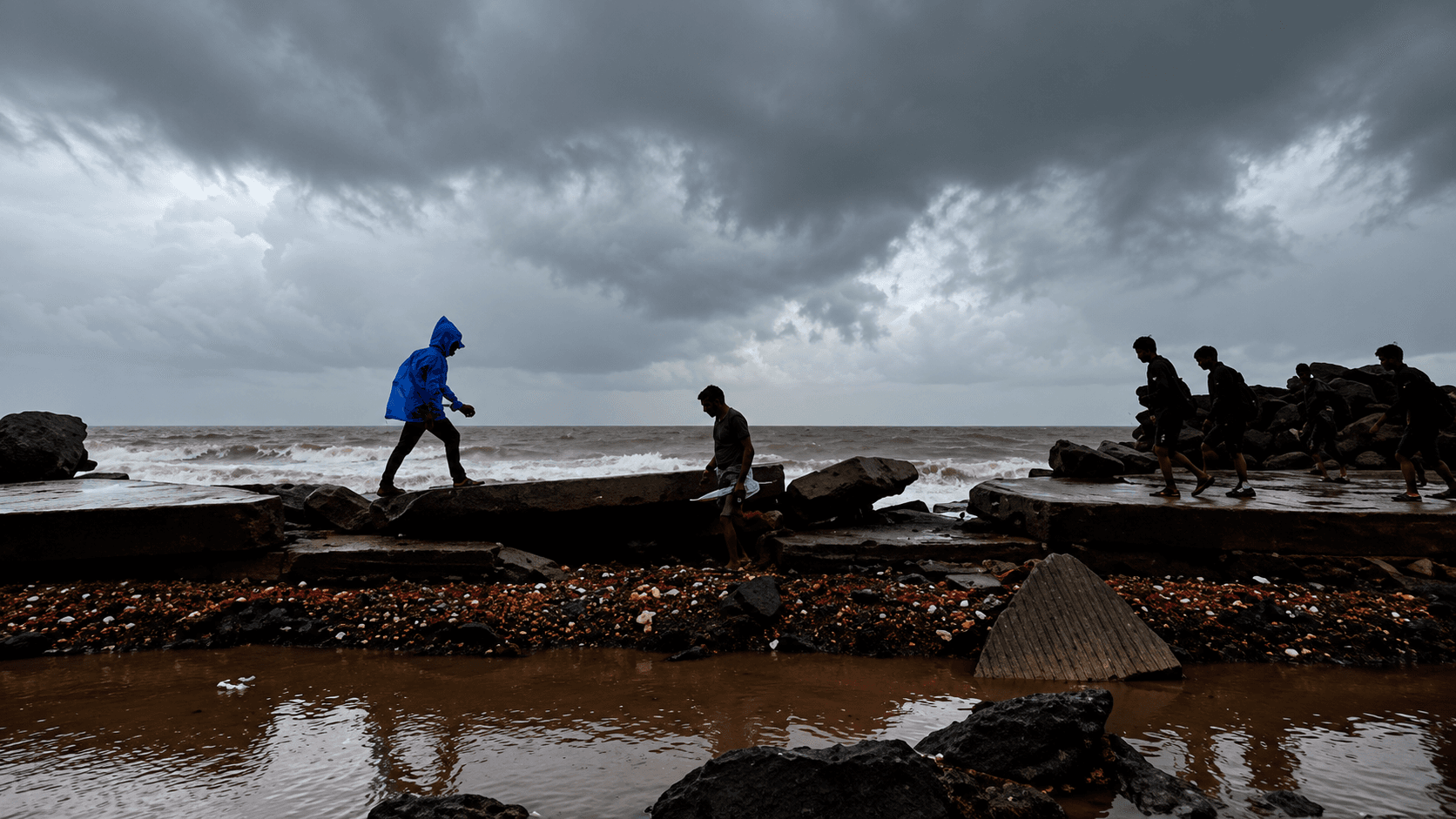
Cyclone Arnab has made landfall along India’s eastern coast, bringing strong winds and heavy rain to parts of Andhra Pradesh and neighbouring states. With the storm now weakening, the focus has shifted to restoring essential services, assessing damage and helping affected communities recover.
According to the India Meteorological Department (IMD), Arnab crossed the Andhra Pradesh–Yanam coast between Bapatla and Visakhapatnam during the early hours of October 28. The landfall process was completed at around 8 a.m. The storm was classified as a very severe cyclonic storm, with sustained winds of 125–135 km/h and gusts reaching 150 km/h.
By late Wednesday, Arnab had lost considerable strength. The IMD reported that the system had moved inland across parts of north coastal Andhra Pradesh, southern Odisha, south Chhattisgarh and northeast Telangana, weakening into a deep depression. Further weakening was expected on October 29.
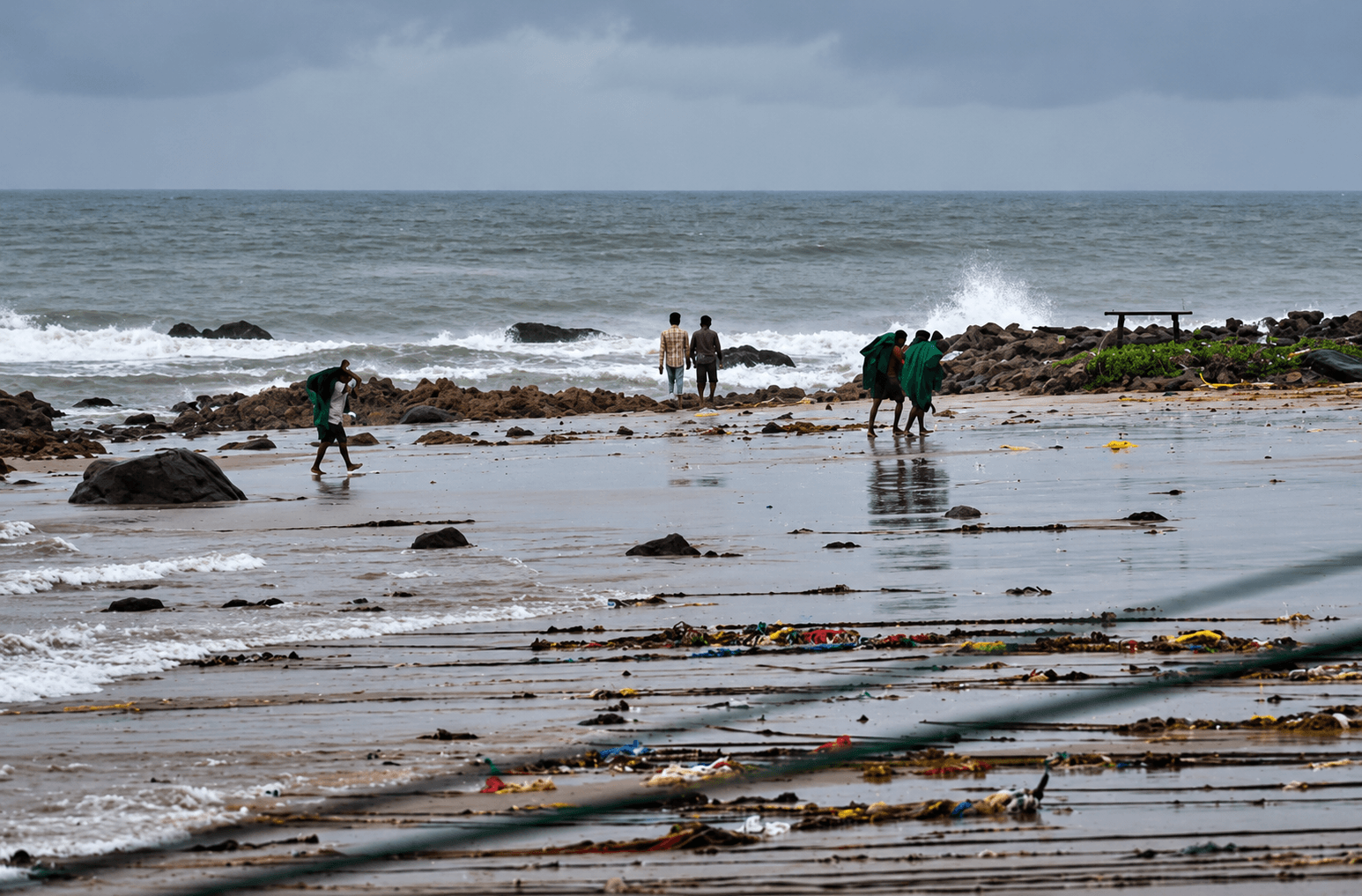
While the strongest winds may have passed, the danger has not disappeared entirely. Damaged power lines, waterlogged roads, possible flooding and continuing rainfall are creating fresh challenges for emergency teams and residents.
ARNAB MAKES LANDFALL — ANDHRA PRADESH TAKES THE BIGGEST HIT
Arnab developed over the Bay of Bengal and strengthened as it moved towards the Andhra Pradesh coast. As forecasts warned of potentially destructive winds and heavy rain, authorities began preparing vulnerable communities for the storm.
Residents in low-lying and flood-prone areas were evacuated, shelters were opened and emergency personnel were deployed ahead of landfall. The Associated Press reported that tens of thousands of people had been moved to safer locations in Andhra Pradesh, while Odisha also made preparations for evacuations and relief operations.
The cyclone crossed the coast along the Bapatla–Visakhapatnam stretch, near Yanam, exposing coastal communities to powerful winds and intense rainfall. Trees, buildings, electricity networks and transport infrastructure were among the areas at risk as the storm moved inland.
The experience also highlights how difficult it can be to prepare for a cyclone, even when forecasts provide advance warning. A storm’s eventual impact depends on its strength and path, but local drainage, building conditions, geography and the speed of emergency response also play important roles.
DEATHS REPORTED AS POWER AND TRANSPORT SERVICES ARE DISRUPTED
The storm has left fatalities and infrastructure damage across affected areas. Reuters reported on October 29 that officials had confirmed six deaths, although some local reports cited a higher figure. The final toll remains subject to verification as authorities gather information from different districts.
Electricity infrastructure has suffered significant damage. Reuters reported that at least 15,000 electricity poles were damaged, leaving several areas without power. Restoration efforts had made progress across most districts by Thursday, but outages continued in parts of Konaseema and West Godavari.
Transport services were also affected before and during the cyclone. Some trains were cancelled or had their services curtailed, while flight operations at airports in Andhra Pradesh faced suspensions and disruptions. A return to normal operations will depend on weather conditions, safety checks and repairs to damaged infrastructure.
In another incident highlighting the risks at sea, Reuters reported that a cargo vessel carrying 20 crew members had run aground offshore amid rough conditions.
For authorities, the immediate challenge is to repair damaged infrastructure without putting workers and residents at further risk. Clearing roads, restoring electricity and reaching communities affected by flooding will be essential parts of the recovery effort.
HEAVY RAIN AND FLOODING REMAIN A CONCERN
A cyclone’s impact does not end when its centre moves inland. Rain can continue for hours or days, raising river levels, flooding settlements and creating dangerous conditions in areas already affected by heavy precipitation.
Although Arnab is weakening, weather warnings remain important across parts of eastern and central India. Forecasts have highlighted the possibility of heavy rain in areas of Odisha, coastal Andhra Pradesh, Jharkhand, Chhattisgarh and West Bengal. Conditions may differ considerably from one district to another.
In places that have already received intense rainfall, even another spell of moderate rain could make matters worse. Blocked drains, fallen trees and damaged roads may slow emergency operations, while flooded streets and unstable buildings can create additional hazards.
Exposed electrical wires and contaminated floodwater also pose serious risks. Residents should follow local government advisories and avoid crossing flooded roads, approaching swollen rivers or entering damaged buildings.
The weakening of the cyclone is encouraging, but it does not mean that every affected area is out of danger. Local rainfall forecasts and ground conditions will remain important in the days ahead.
EARLY WARNINGS AND EVACUATIONS HELPED AUTHORITIES PREPARE
Preparations were under way before Arnab reached the coast. According to the Press Information Bureau, the National Crisis Management Committee reviewed the situation on October 26 after the IMD reported that the system had intensified over the Bay of Bengal and was moving towards Andhra Pradesh.
State authorities arranged evacuations, opened shelters, mobilised medical teams and took precautions to protect fishing vessels. Andhra Pradesh and Odisha also deployed disaster-response personnel as forecasts warned of strong winds and heavy rainfall.
These preparations show why early warnings and coordination between government agencies matter during severe weather. Moving residents out of exposed areas before landfall can reduce their risk, particularly in low-lying coastal communities.
However, evacuation alone cannot prevent every loss. Safe shelters, accessible transport, medical assistance and clear communication are equally important. The response must also continue after the storm, when residents may need food, clean water, temporary accommodation and help rebuilding damaged homes.
The reported deaths and damage underline the challenges that remain even when authorities have time to prepare. The speed and effectiveness of recovery will now be a key measure of the overall response.
KEY RISKS THAT NEED ATTENTION
Flooding and waterlogging: Further rain could overwhelm drainage systems and leave low-lying neighbourhoods and rural settlements underwater.
Electricity restoration: Damaged poles and power lines may delay the return of electricity. Residents should stay away from fallen wires and report hazards to local authorities.
Transport delays: Rail, road and air services may face continuing disruption while operators inspect infrastructure and clear debris.
Coastal and maritime safety: Rough seas and damaged vessels could pose risks to fishing communities, port workers and commercial shipping.
Verification of casualties: Early death tolls may change as officials confirm reports from affected districts. A consolidated assessment will help establish the full impact.
Support for affected families: Households that have lost access to shelter, clean water or their livelihoods may require immediate assistance, particularly in fishing and farming communities.
WHAT TO WATCH NEXT
IMD weather bulletins: Further updates will help residents understand the weakening system, rainfall forecasts and any new district-level warnings across the affected states.
Official damage assessments: State governments and disaster-management agencies will need to establish the number of casualties, damaged homes and affected public services.
Power restoration: Updates from electricity providers will show how quickly remaining outages are resolved and when damaged networks can safely return to service.
Transport services: Railway schedules, airport operations and road-access reports will indicate how quickly travel can return to normal.
Relief and rehabilitation: Assessments of damaged homes, agricultural losses, fishing livelihoods and public infrastructure will help determine the support required for recovery.
FACT CHECK METER
95% — Strongly supported
Editorial assessment of the available reporting as of October 29, 2026. This is not a statistical probability.
Confirmed details
The IMD reported that Arnab crossed the Andhra Pradesh–Yanam coast on October 28 as a very severe cyclonic storm.
The storm weakened into a deep depression after moving inland.
News reports documented fatalities, electricity infrastructure damage and transport disruptions.
Evacuations and emergency preparations took place before landfall.
Important distinctions
Reported death tolls differ across accounts, and the final official figure may change.
A weaker cyclone can still bring dangerous rainfall and flooding.
The full extent of damage will become clearer as authorities complete assessments across affected districts.
AWX VERDICT
Available reporting supports the central message: Cyclone Arnab has weakened, but its impact continues to affect communities along India’s eastern coast. As of October 29, the priority has shifted from preparing for landfall to managing the aftermath.
Residents should continue to follow official local advisories. The decline in wind strength is a positive development, but it does not eliminate the risks posed by flooding, damaged infrastructure and unstable weather.
THE AWX BOTTOM LINE
Cyclone Arnab has left parts of India’s eastern coast facing a difficult recovery, particularly in Andhra Pradesh. Deaths, damaged electricity infrastructure and transport disruptions have added to the challenges, while continued rainfall could complicate relief efforts.
Early warnings and evacuations gave authorities time to prepare, but the work is far from over. Verifying casualties, restoring power and transport, and delivering assistance to affected families will remain the immediate priorities.
The storm may be losing strength, but recovery will take longer. The coming days will be crucial for understanding the full extent of the damage and helping affected communities get back on their feet.
ATTLAS WIRE | AWX WORLD NEWS
Real Stories. Lasting Impact.



Comments
No comments yet.