

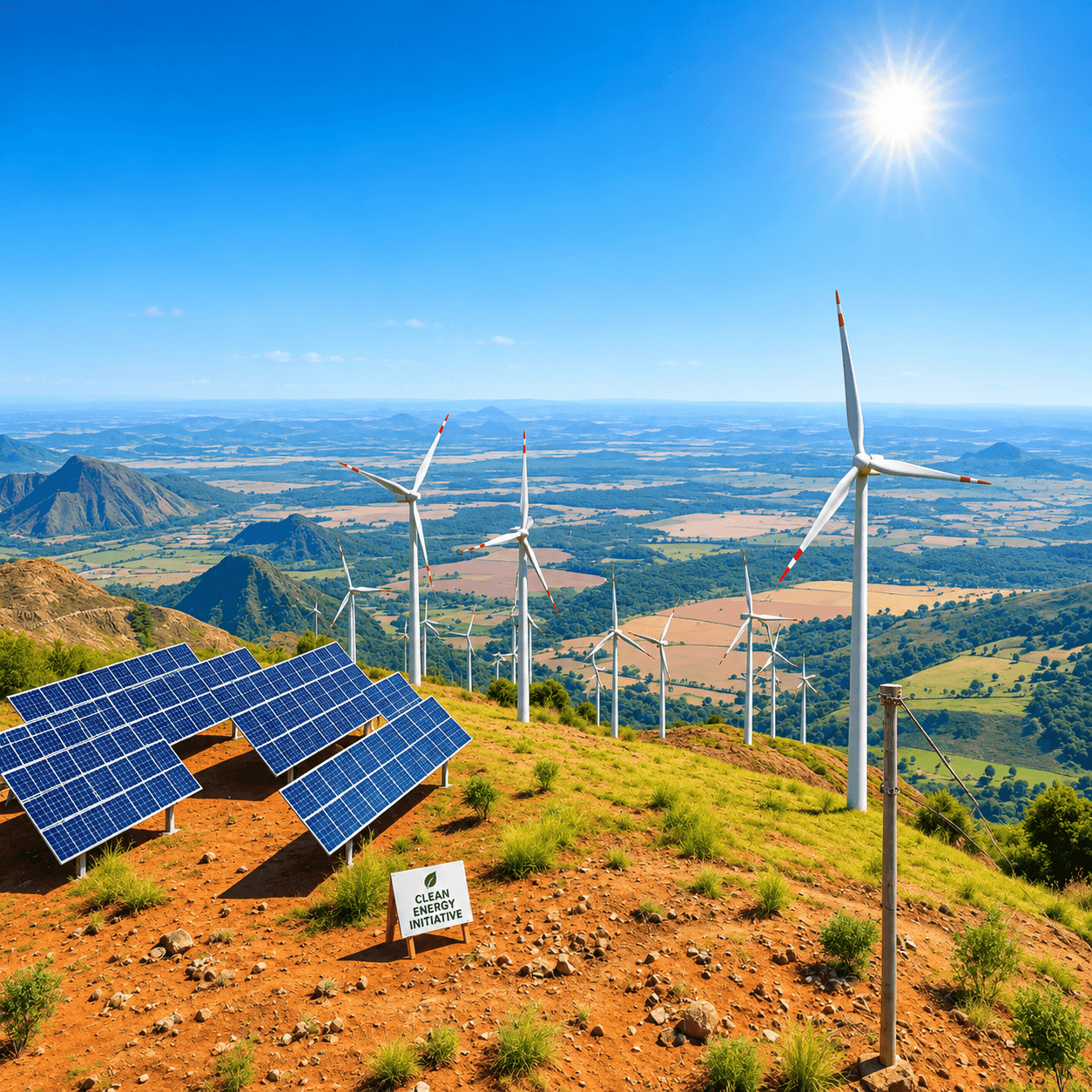
Energy security has emerged as a major concern for governments as geopolitical tensions threaten the movement of oil, natural gas and other essential commodities. Disruptions around the Strait of Hormuz have exposed just how vulnerable global energy supply chains can be, prompting countries to reconsider where they source their energy and how they transport and store it.
The impact is being felt far beyond the Middle East. Energy-dependent economies in Asia and Europe are facing uncertainty over fuel supplies, rising transportation costs and growing pressure on industrial supply chains. Meanwhile, oil producers and shipping companies are working to keep exports moving despite increasing risks along key maritime routes.
The crisis has also exposed a wider weakness in the global energy system. Producing enough oil and gas means little if those supplies cannot safely reach their destinations. As a result, governments are placing greater emphasis on securing shipping corridors, protecting energy infrastructure and strengthening emergency reserves.
STRAIT OF HORMUZ DISRUPTION EXPOSES GLOBAL ENERGY VULNERABILITIES
The Strait of Hormuz remains at the centre of global energy concerns. Before the current crisis, roughly one-fifth of the world's oil and liquefied natural gas trade passed through this narrow waterway, which connects the Persian Gulf to the Gulf of Oman.
Disruptions along the route have affected energy shipments and forced exporters to look for alternative ways to move their supplies. Tanker operators are dealing with heightened security concerns, while governments are increasingly worried about the economic consequences of a prolonged interruption.
In a Reuters report published on November 2, ADNOC chief executive Sultan Al Jaber warned that nearly one billion barrels had been drawn from global oil inventories since the disruption began. He also pointed to unusually low seasonal diesel stocks in some markets and a reported shortfall in LNG supplies.
His warning highlights how the crisis is spreading beyond shipping companies and regional energy producers. Falling inventories are weakening the supply buffers that normally help protect the global economy from sudden disruptions.
RED SEA AND BAB EL-MANDEB ADD TO SHIPPING SECURITY CONCERNS
The Red Sea and Bab el-Mandeb Strait are adding another layer of uncertainty to international shipping. The route links the Indian Ocean with the Suez Canal and serves as an important passage for cargo travelling between Asia, Europe and the Middle East.
According to the Council on Foreign Relations, around 12–15% of global maritime trade and approximately 30% of container traffic normally pass through the Red Sea. Continued insecurity could force shipping companies to divert vessels around the Cape of Good Hope, adding days to journeys and increasing fuel consumption, insurance premiums and freight costs.
The situation has become more complicated as Houthi forces in Yemen strengthen their presence near strategically important coastal areas. Their activities have raised concerns about further threats to commercial shipping and Saudi Arabia's ability to move energy exports through Red Sea routes.
The Associated Press has reported that Houthi attacks have already reduced shipping traffic through Bab el-Mandeb by around 60% since the disruption began. With both Hormuz and Red Sea routes facing security concerns, energy exporters are dealing with an increasingly difficult transportation environment.
SAUDI ARABIA'S PIPELINE DISRUPTION HIGHLIGHTS INFRASTRUCTURE RISKS
Saudi Arabia's East-West pipeline has become an important alternative for moving crude oil from production facilities in the east to the Red Sea port of Yanbu. The pipeline allows the kingdom to transport oil without relying entirely on the Strait of Hormuz.
However, the infrastructure itself has also faced security threats. The pipeline was damaged following drone attacks in September, resulting in a temporary shutdown. Saudi authorities reported damage and injuries, while Iraqi officials said the attack had originated from Iraqi territory. The reports reviewed did not publicly establish responsibility for the incident.
The episode shows that alternative supply routes can reduce dependence on vulnerable shipping chokepoints, but they cannot completely remove security risks.
It has also drawn attention to the need to protect pipelines, pumping stations, export terminals and storage facilities. Energy security is no longer just about keeping ships safe at sea. It also depends on the resilience of the infrastructure that moves energy from production sites to international markets.
GOVERNMENTS AND ENERGY FIRMS REASSESS EMERGENCY RESERVES
Growing withdrawals from global energy inventories are putting pressure on governments to strengthen their emergency stockpiles. Strategic reserves are intended to provide temporary relief when normal supplies are interrupted, but the current crisis is testing how effectively they can protect markets during a prolonged disruption.
ADNOC chief executive Sultan Al Jaber has called for greater investment in strategic storage, larger reserves of refined fuels, more flexible refining capacity and stronger logistics infrastructure. His comments reflect wider concerns that repeated supply disruptions have left some markets with less protection than before.
The International Energy Agency has also taken emergency measures, agreeing to release additional diesel supplies alongside oil included in a record emergency-reserve release pledged earlier in the year.
However, releasing stockpiles can only offer temporary relief. Governments will also need to expand storage facilities, secure supplies from a wider range of producers and improve the infrastructure needed to deliver essential fuels when major shipping routes are disrupted.
ENERGY PRODUCERS TURN TO INVESTMENT AND TECHNOLOGY
Energy companies are also looking for ways to make their operations more resilient. At ADIPEC 2026 in Abu Dhabi, industry discussions focused on boosting oil and gas supplies, attracting investment and using artificial intelligence to improve energy operations.
The discussions come at a challenging time for producers, who must maintain output while dealing with rising transportation costs and growing security concerns. Companies are exploring ways to improve efficiency, protect infrastructure and make their supply networks more flexible.
Technology is expected to play an increasingly important role. AI-powered systems can help monitor pipelines, identify potential equipment failures, manage inventories and detect risks across transportation networks. However, technology alone cannot replace physical security, reliable infrastructure or cooperation between governments and industry.
The wider challenge for the energy sector is to keep supplies reliable and affordable, even when geopolitical tensions make production and transportation more difficult.
ASIA AND EUROPE FACE GROWING ENERGY SUPPLY PRESSURE
Countries that depend heavily on imported energy are particularly exposed to disruptions in Middle Eastern exports. Many Asian economies rely on maritime routes for crude oil and LNG, while European markets remain vulnerable to changes in global fuel availability and transportation costs.
A September 2026 report by the McKinsey Global Institute, Aftershocks: Energy Security Beyond the Strait of Hormuz Crisis, examines how the disruption is reshaping international energy flows. It estimates that around 20% of global oil and LNG trade normally passes through the Strait of Hormuz and warns that existing supply buffers are becoming increasingly stretched.
The report also points to longer-term solutions, including greater electrification, alternative suppliers, expanded energy inventories and infrastructure that allows supplies to move through different routes. It estimates that measures already underway or being considered could offset 35–70% of the Strait's pre-crisis oil flows by 2030, although much will depend on investment and implementation.
For governments across Asia and Europe, the immediate priority is to avoid fuel shortages and limit the impact of rising energy costs on households and businesses. Over time, reducing dependence on a small number of suppliers and vulnerable transportation corridors will become just as important.
RISKS AND KEY ISSUES TO WATCH
Strait of Hormuz disruption: Further restrictions or attacks could interrupt major oil and LNG shipments, putting additional pressure on global markets.
Red Sea insecurity: Continued threats around Bab el-Mandeb could force more vessels onto longer and more expensive shipping routes.
Declining energy inventories: Falling stockpiles could leave countries with fewer resources to manage another major supply disruption.
Attacks on critical infrastructure: Pipelines, ports, refineries and export terminals remain exposed to military and security threats.
Rising transportation costs: Higher insurance premiums, freight charges and fuel expenses could eventually push up costs for businesses and consumers.
Uneven impact on importing countries: Nations with limited reserves and fewer alternative suppliers could face more serious shortages and economic pressure.
WHAT TO WATCH NEXT
Whether commercial shipping through the Strait of Hormuz returns to more stable and predictable levels.
Whether Gulf energy producers can maintain exports through alternative pipelines and ports.
Whether the International Energy Agency announces further emergency releases of oil and refined fuels.
Whether governments increase investment in strategic oil and fuel storage facilities.
Whether shipping companies restore regular operations through the Red Sea and Bab el-Mandeb.
Whether new investments in energy infrastructure and alternative supply networks help reduce dependence on vulnerable routes.
FACT CHECK METER
Editorial confidence: 97%
Strongly supported — based on reported energy and shipping developments.
Confirmed details
The Strait of Hormuz is one of the world's most important routes for international oil and LNG shipments.
ADNOC's chief executive warned on November 2 that nearly one billion barrels had been drawn from global inventories.
Saudi Arabia's East-West pipeline was temporarily shut following a drone attack in September.
The Red Sea and Bab el-Mandeb continue to face significant maritime security concerns.
Energy investment, supply resilience and technology were among the issues discussed at ADIPEC 2026.
Important distinctions
Withdrawals from global inventories do not mean that the world's oil reserves have been exhausted.
Alternative pipelines and shipping routes cannot fully replace the transportation capacity of the Strait of Hormuz.
Forecasts about future supply resilience depend on investment, infrastructure development and successful implementation.
AWX VERDICT
The developments covered in this report are based on reported events, industry statements and energy-security assessments. However, the longer-term impact on fuel prices and supply availability will depend heavily on how long the disruptions continue and how effectively governments and energy companies respond.
The 97% figure represents AWX's editorial confidence in the factual reporting presented here. It is not a statistical probability or an official rating.
THE AWX BOTTOM LINE
Energy security is becoming a defining issue in global politics and economic planning. Disruptions around the Strait of Hormuz, growing risks in the Red Sea and attacks on critical infrastructure have shown how quickly a regional conflict can create problems for energy markets around the world.
Governments are being forced to look beyond traditional supply arrangements. Stronger strategic reserves, more diverse suppliers, safer shipping corridors and better-protected infrastructure will all be essential to reducing future vulnerabilities.
For now, the priority is to keep oil and gas moving safely while preventing further pressure on consumers and industries. The bigger challenge is to build an energy system that can withstand geopolitical shocks without triggering another major global supply crisis.
ATTLAS NEWS | AWX WORLD NEWS
Real Stories. Lasting Impact.



Comments
No comments yet.