

India's political atmosphere has grown increasingly tense as opposition parties intensify their criticism of the Modi government over alleged irregularities in the electoral process.
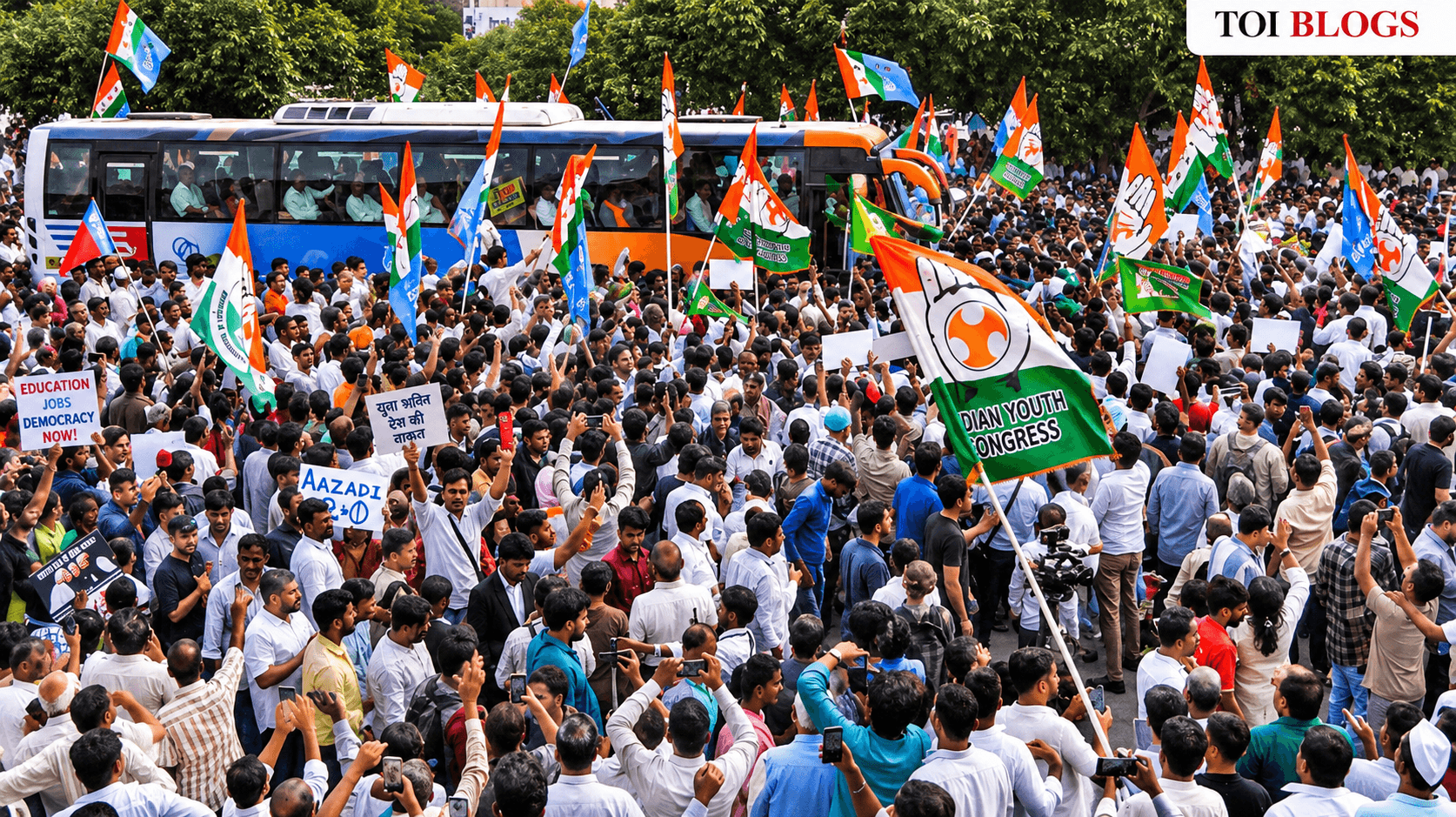
The latest confrontation followed a major INDIA bloc rally at Delhi's Ramlila Maidan on November 1. Opposition leaders gathered to demand the resignation of Chief Election Commissioner Gyanesh Kumar and raise concerns about the Election Commission's handling of the Special Intensive Revision (SIR) of electoral rolls.
Congress leader and Leader of Opposition Rahul Gandhi led the campaign, accusing the ruling Bharatiya Janata Party (BJP) of benefiting from alleged manipulation of voter lists. Opposition parties fear that the revision exercise could result in eligible voters being removed, particularly among disadvantaged and minority communities.
The government and the Election Commission have rejected these allegations. They maintain that the exercise is designed to remove duplicate, deceased and otherwise ineligible entries while improving the accuracy of electoral records.
The political dispute has since moved beyond street demonstrations. Rahul Gandhi has challenged Prime Minister Narendra Modi to an open debate, while Amit Shah has offered to discuss the controversy in Parliament.
The disagreement has become a major test of relations between the government and opposition, putting electoral accountability and institutional credibility firmly in the national spotlight ahead of the next major round of state elections in 2027.
INDIA BLOC RALLY BRINGS OPPOSITION TOGETHER IN DELHI
The November 1 gathering at Ramlila Maidan marked one of the opposition's biggest recent demonstrations against the central government.
Representatives from 21 opposition parties joined the rally, including Rahul Gandhi, Priyanka Gandhi Vadra, Mamata Banerjee, Akhilesh Yadav and other INDIA bloc leaders.
Thousands of supporters gathered at the venue, waving party flags and carrying banners calling for stronger protection of voting rights and democratic institutions.
Opposition leaders argued that large-scale deletions from electoral rolls could prevent eligible citizens from exercising their constitutional right to vote. They also questioned whether the revision process was being carried out fairly and transparently.
Rahul Gandhi demanded Gyanesh Kumar's resignation, alleging that the exercise had created serious concerns about the integrity of the electoral process.
The rally also served as an effort to bring opposition parties together around a common issue. Although the alliance includes parties with different regional interests and political priorities, the voter-list controversy has provided them with a shared platform.
The turnout highlighted the opposition's ability to mobilise supporters around a national political issue. However, whether the demonstration will translate into lasting political momentum remains to be seen.
VOTER-LIST REVISION BECOMES THE CENTRE OF THE POLITICAL DISPUTE
At the heart of the latest confrontation is the Special Intensive Revision of electoral rolls.
According to reports, more than 130 million names have been removed from voter lists since the revision exercise began last year.
Opposition parties have questioned the scale of these deletions, arguing that eligible voters could be among those removed. They have also raised concerns about the possible disproportionate impact on minority communities, particularly Muslims.
The Election Commission has rejected suggestions of political bias. It says the exercise is intended to identify duplicate entries, deceased voters and individuals who are no longer eligible to remain on electoral rolls.
The Commission has also maintained that people whose names have been wrongly removed can apply for re-enrolment through the prescribed procedures.
The controversy has drawn attention beyond India as well. Human Rights Watch has raised concerns about how voter-list revisions could affect marginalised communities and the fairness of future elections.
However, allegations of systematic electoral manipulation remain contested and have not been established as proven findings.
The biggest challenge for the Election Commission will be to demonstrate that the entire process is transparent, accurate and accessible, while ensuring that no eligible voter is unfairly excluded.
AMIT SHAH CHALLENGES RAHUL GANDHI TO A PARLIAMENTARY DEBATE
The political confrontation intensified further on November 3 when Union Home Minister Amit Shah challenged Rahul Gandhi to raise the Special Intensive Revision issue in Parliament.
Shah said the government was prepared to hold a special parliamentary session to discuss the opposition's concerns about voter-list revisions, electronic voting machines and the presence of ineligible names on electoral rolls.
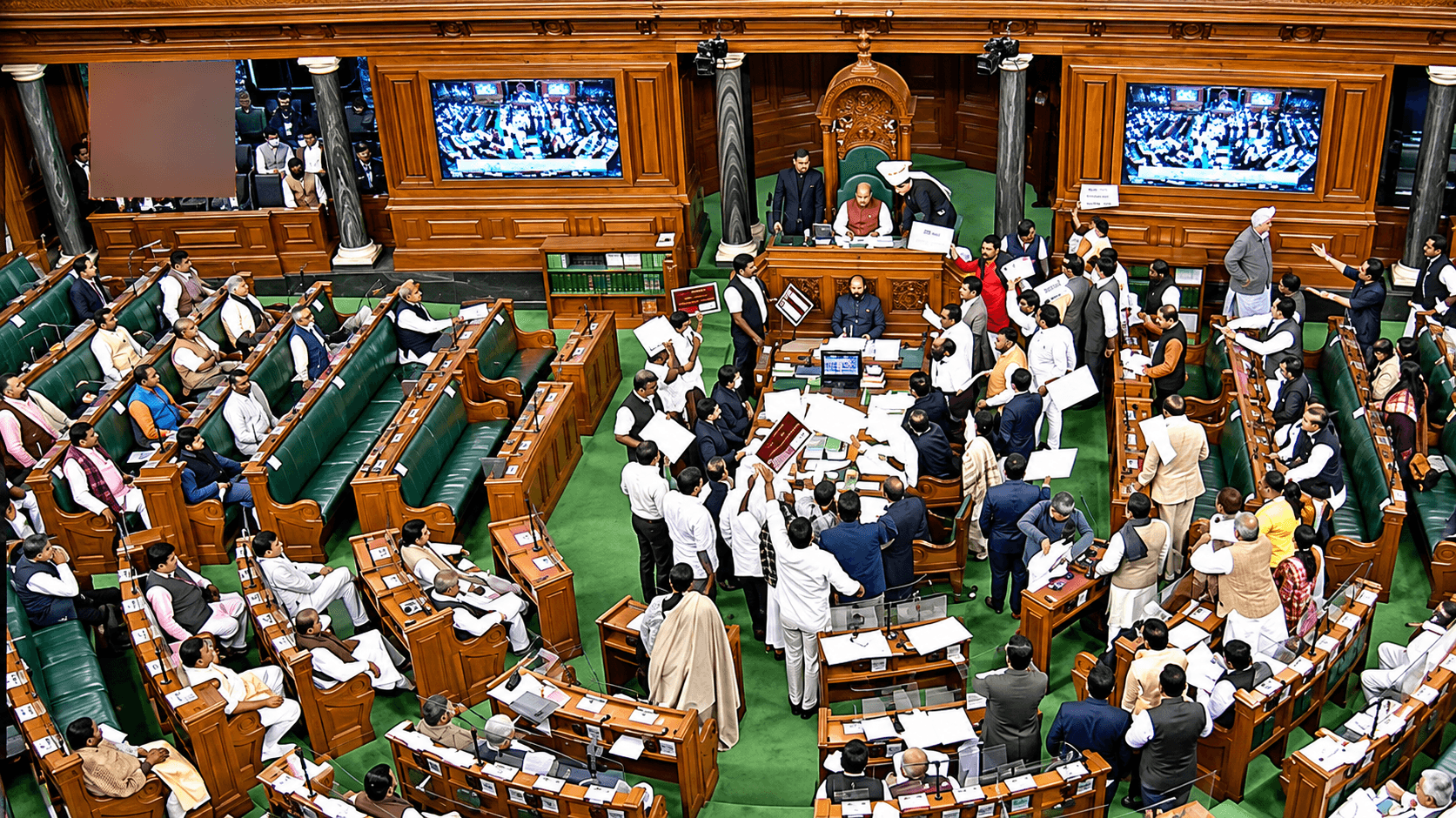
He also accused the Congress of disrupting parliamentary proceedings while organising symbolic parliamentary activities outside the legislature.
Rahul Gandhi, meanwhile, renewed his challenge to Prime Minister Modi for an open public debate. He raised questions about alleged foreign influence in Indian politics and other national controversies.
The exchange has turned the voter-list dispute into a direct political contest between the country's leading government and opposition figures.
Shah maintains that the government is ready to address the allegations through parliamentary discussion. Gandhi, on the other hand, wants the Prime Minister to respond publicly to the wider concerns raised by the opposition.
Whether the proposed parliamentary discussion takes place could become an important test of the government's willingness to engage with opposition demands.
MODI ACCUSES OPPOSITION OF POLITICAL OBSTRUCTION
Prime Minister Narendra Modi has also criticised the opposition over its approach to political disagreements.
Speaking at the Rashtriya Ekta Diwas event in Ekta Nagar, Gujarat, Modi accused opposition parties of neglecting their constitutional responsibilities and engaging in what he described as a politics of obstruction.
He stressed that both the government and opposition have important roles in a democracy and argued that political parties should put their responsibilities towards the country first.
The BJP has dismissed the allegations surrounding voter-list revisions, arguing that political parties should not undermine public confidence in constitutional institutions without presenting evidence of wrongdoing.
Several BJP leaders have also described the opposition's protests as an attempt to create unnecessary distrust in the electoral system.
Although Modi has not directly responded to every allegation raised during the Ramlila Maidan rally, his remarks reflect the government's broader criticism of the opposition's protest strategy.
OPPOSITION UNITY FACES A MAJOR POLITICAL TEST
The INDIA bloc's latest mobilisation has shown that opposition parties are willing to join forces against the BJP on issues they consider nationally significant.
However, maintaining this unity beyond a single controversy may prove challenging.
The alliance brings together parties with different regional priorities, leadership ambitions and electoral interests. Congress, the Trinamool Congress, the Samajwadi Party and other regional organisations must balance national cooperation with their own political strategies.
For now, the voter-list controversy has given these parties a common cause, allowing them to focus their campaign on democratic rights, electoral transparency and institutional accountability.
The upcoming state elections in 2027 could provide an important test of whether this cooperation can develop into a more coordinated electoral strategy.
For Rahul Gandhi and other opposition leaders, the challenge will be to turn public demonstrations into sustained political support. The BJP, meanwhile, will need to defend the credibility of the electoral process and prevent the controversy from developing into a wider political setback.
The next stage of the dispute is likely to involve further parliamentary discussions, responses from the Election Commission and potentially greater judicial scrutiny.
RISKS AND KEY ISSUES TO WATCH
Electoral transparency: The Election Commission faces increasing pressure to explain voter deletions and demonstrate that eligible citizens are not being excluded.
Political polarisation: Continued accusations between the BJP and opposition could deepen public distrust in democratic institutions.
Minority voter concerns: Allegations that minority communities may be disproportionately affected need transparent examination and reliable evidence.
Parliamentary confrontation: Disagreements over a possible special session could create further tension between the government and opposition.
Opposition unity: The INDIA bloc will need to maintain cooperation beyond street protests if it hopes to build a stronger political challenge.
Judicial scrutiny: Legal proceedings concerning electoral procedures could influence how the voter-list revision exercise is carried out.
WHAT TO WATCH NEXT
Special parliamentary session: Whether the government formally convenes a session to discuss SIR, electronic voting machines and electoral-roll concerns.
Election Commission response: Further clarification about deleted voter entries and re-enrolment procedures will be important.
Rahul Gandhi–Modi debate challenge: The political exchange could continue to shape the national conversation.
Further opposition demonstrations: Congress and its INDIA bloc partners may organise additional rallies and protests in other cities.
Court proceedings: Any judicial intervention could influence the future implementation of voter-list revisions.
2027 state elections: The controversy could emerge as a significant campaign issue in upcoming state contests.
FACT CHECK METER
Editorial confidence: 98%
Strongly supported — Reuters, AP and Indian news reporting.
Confirmed details
INDIA bloc parties held a major demonstration at Ramlila Maidan on November 1.
Rahul Gandhi demanded accountability from Chief Election Commissioner Gyanesh Kumar.
Opposition parties have raised objections to the Special Intensive Revision of electoral rolls.
Amit Shah offered a parliamentary debate on the issue.
Modi criticised the opposition's approach to political protests.
Important distinctions
Allegations of voter manipulation remain disputed and have not been established as proven findings.
The Election Commission says the revision aims to remove duplicate and ineligible entries.
The reported removal of more than 130 million names does not establish that all those removed were eligible voters.
A proposed parliamentary debate should not be presented as a confirmed special session.
AWX VERDICT
India's political confrontation has moved beyond street protests and become a wider dispute over the credibility of democratic institutions.
The opposition is demanding greater accountability and transparency in the electoral process, while the government is defending the voter-list revision exercise and rejecting allegations of political interference.
Ultimately, public confidence will depend on clear explanations, independent scrutiny and an effective process through which eligible voters can correct their records and protect their voting rights.
The percentage represents AWX editorial confidence in the factual reporting, not a statistical probability or official rating.
THE AWX BOTTOM LINE
India's political battle is gaining momentum as opposition parties challenge the Modi government's handling of electoral reforms and demand greater accountability from the Election Commission.
The Ramlila Maidan rally demonstrated the INDIA bloc's ability to bring different opposition parties together around a common issue. Meanwhile, Amit Shah's offer of a parliamentary debate has opened another front in the growing confrontation.
For the government, defending the credibility of the electoral process is now a major priority. For the opposition, the challenge is to turn allegations of voter-list irregularities into a sustained national campaign.
Beyond the political rivalry, the central issue remains the integrity of India's democracy. Ensuring transparency in electoral procedures and protecting every eligible citizen's right to vote will be essential to maintaining public trust.
ATTLAS NEWS | AWX WORLD NEWS
Real Stories. Lasting Impact.

Comments
No comments yet.