

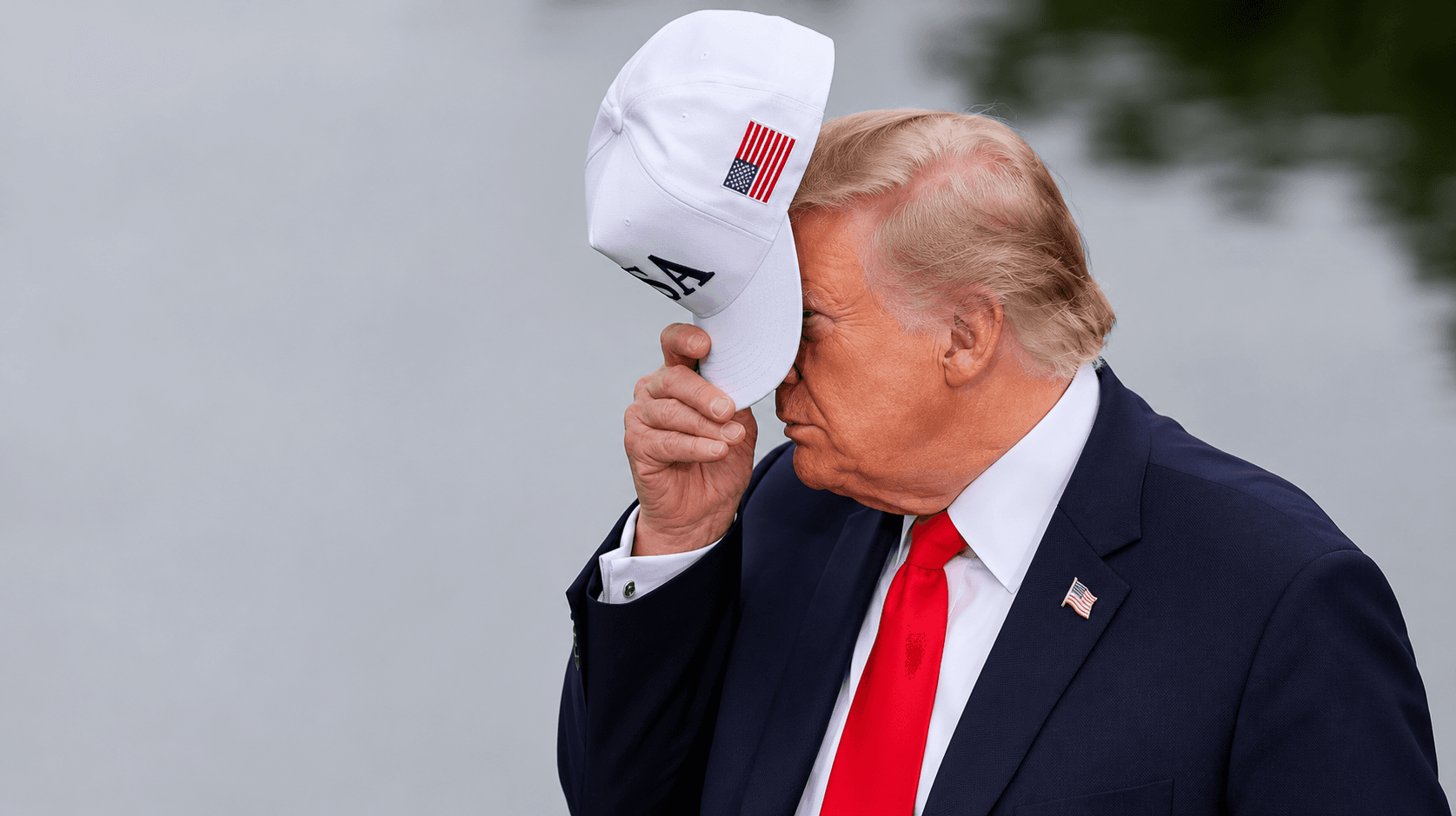
US President Donald Trump has suffered a major political setback after Democrats secured control of both the House of Representatives and the Senate in the November 3 midterm elections. The result marks a dramatic shift in Washington's political balance and could make it considerably harder for the administration to advance its legislative priorities during the final two years of Trump's presidency.
Democrats made significant gains in several traditionally Republican states, winning closely contested races and defeating candidates who had received Trump's personal endorsement. The victories were particularly striking in states where Republicans had previously enjoyed comfortable electoral advantages.
The Associated Press projected Democratic victories in both chambers, while Reuters described the outcome as a sweeping rejection of the president's leadership. However, the transfer of congressional power will not happen immediately. Newly elected lawmakers are expected to take their seats in January 2027.
DEMOCRATS SECURE CONTROL OF BOTH CHAMBERS
The Democratic victory has fundamentally changed the political landscape in Washington. The party crossed the 218-seat threshold required for a House majority and secured control of the Senate following a series of unexpected victories in Republican-leaning states.
House balance of power, 2026
Democrats: 228 seats secured
Republicans: 139 seats secured
Majority threshold: 218 seats
Source: Associated Press
Updated: 4 November 2026, 22:40
Senate balance of power, 2026
Democrats: 54 seats secured
Republicans: 44 seats secured
Majority threshold: 51 seats
Source: Associated Press
Updated: 4 November 2026, 22:45
The Senate result is particularly significant because Republicans had initially expected to hold on to their majority. Democrats made substantial gains in Texas, Kansas, South Carolina, Iowa and North Carolina, turning several previously Republican-favoured contests into major electoral battles.
In the House, Democratic candidates also defeated Republicans in a number of competitive districts, including areas that had comfortably supported Trump in the 2024 presidential election.
Taking control of Congress gives Democrats greater influence over committee leadership, legislative priorities and federal spending negotiations. It also strengthens their ability to investigate the administration and scrutinise presidential appointments.
REPUBLICAN STRONGHOLDS TURN AGAINST TRUMP'S CANDIDATES
Some of the biggest surprises of the election came from states traditionally considered Republican territory.
In Texas, Democrat James Talarico won a Senate seat, ending a decades-long Democratic drought in statewide contests. Democrat Gina Hinojosa also defeated Republican Governor Greg Abbott, marking a significant change in the state's political direction.
South Carolina delivered another major surprise. Democrat Annie Andrews defeated Trump's preferred candidate, Darline Graham, in a contest that had initially appeared favourable to Republicans. The result was particularly striking given Trump's strong performance in the state during the 2024 presidential election.
Kansas also made history, with Democrat Adam Hamilton defeating Republican Senator Roger Marshall. The victory marked the state's first Democratic Senate win since 1932.
In Maine, Republican Senator Susan Collins lost to Democrat Troy Jackson, bringing an end to her long career in the upper chamber.
Taken together, these results suggest that Democratic gains were not limited to their traditional urban and coastal strongholds. The party also made significant progress among voters in states that have generally leaned Republican.
COST OF LIVING AND IRAN WAR DRIVE VOTER BACKLASH
Economic concerns played a central role in shaping the election results. Rising household expenses, inflation, fuel prices and uncertainty about the wider economy left many Americans dissatisfied with the government's performance.
The conflict involving Iran also became a major campaign issue. Critics argued that the administration's military decisions had increased geopolitical uncertainty, put pressure on energy markets and added to the financial burden facing ordinary households.
Exit polling conducted by SSRS for a consortium of US media organisations, including the Associated Press, suggested that around half of voters viewed the midterm elections as an opportunity to express their dissatisfaction with Trump. Approximately 70% wanted Congress to exercise stronger checks and balances on presidential power.
Concerns about government conduct, corruption and the administration's handling of public affairs also featured prominently during the campaign.
Democrats used these issues to challenge Republican leadership, while the Republican campaign struggled to move attention towards its preferred cultural and social policy debates.
The outcome suggests that economic pressures and dissatisfaction with the administration became powerful factors in the final vote, weakening the Republican Party's efforts to defend its congressional majorities.
TRUMP ACCEPTS DEFEAT BUT VOWS TO BLOCK DEMOCRATIC LEGISLATION
Trump's reaction to the election results attracted considerable attention, particularly given his previous disputes over the 2020 presidential election.
In an interview with Fox News following the Democratic victory, the president accepted the outcome and congratulated the opposition. However, he pushed back against suggestions that the result represented a personal rejection of his leadership, arguing that voters had been unhappy with individual Republican candidates rather than his presidency.
Trump also warned that he would veto legislation he considered unacceptable, signalling that cooperation with the incoming Democratic majority could prove difficult.
The response highlights the challenges facing the White House as it prepares to work with an opposition-controlled Congress.
Although Trump retains his executive powers, Democrats will have considerably more influence over legislation, congressional investigations, federal spending negotiations and the confirmation of presidential appointments.
DEMOCRATS PREPARE INVESTIGATIONS INTO THE TRUMP ADMINISTRATION
With control of both chambers, Democrats are preparing to take a more aggressive approach to congressional oversight.
Party leaders have indicated that investigations into administration policies, government appointments, federal decision-making and the Trump family's business interests could feature prominently in the new Congress.
The Democratic majority will have greater authority to organise hearings, issue subpoenas and request documents from government departments and officials. Senate Democrats will also be in a stronger position to block or delay presidential nominations.
The handling of the Jeffrey Epstein investigation and allegations of potential conflicts of interest involving political and business figures are among the issues Democrats have indicated they may examine.
However, any investigation will require supporting evidence and must follow congressional procedures. Its findings and possible political consequences remain uncertain.
Impeachment has also entered the political debate. Nevertheless, gaining control of Congress does not automatically lead to impeachment or removal from office. Any such move would involve separate constitutional procedures and significant political hurdles.
HISTORIC VICTORIES SIGNAL A BROADER DEMOCRATIC RESURGENCE
The midterm elections also produced several notable political milestones, particularly in terms of representation.
Democrat Keisha Lance Bottoms won Georgia's gubernatorial race, becoming the first Black woman elected governor of a US state. Gina Hinojosa's victory in Texas also made her the state's first Latina governor.
In the Senate, Abdul El-Sayed became the first Muslim elected to the chamber, marking another significant moment in American political representation.
Beyond Congress, Democrats strengthened their position in several gubernatorial contests and state legislatures.
These victories could have implications well beyond the current midterm cycle. State governments play an important role in shaping policies on education, healthcare, taxation, abortion rights and election administration. They can also influence the political environment ahead of the next presidential election in 2028.
REPUBLICAN PARTY FACES QUESTIONS OVER ITS FUTURE LEADERSHIP
The scale of the Republican defeat has raised difficult questions about the party's future direction and its continued reliance on Trump's political influence.
Although Trump remains a dominant figure within the Republican Party, the election has exposed the risks of closely associating congressional candidates with his personal political standing. Several candidates who received his endorsement failed to win, including in states where Republicans had previously enjoyed strong support.
The results could also intensify competition among potential Republican presidential contenders ahead of 2028. Vice President JD Vance and other prominent party figures may face growing pressure to demonstrate that they can attract voters beyond Trump's established political base.
For Democrats, the victory presents an opportunity to strengthen their national position. However, the party will also need to manage internal disagreements and show that its newly acquired congressional majority can deliver meaningful results.
Both parties now face significant challenges. Republicans must work to rebuild their electoral support, while Democrats must demonstrate that they can turn their political gains into effective governance.
RISKS AND KEY ISSUES TO WATCH
Legislative gridlock: Trump's veto powers and Democratic control of Congress could lead to prolonged disagreements over major legislation.
Congressional investigations: Increased oversight could deepen tensions between the White House and lawmakers.
Federal appointments: Senate Democrats may block or delay important presidential nominations.
Economic uncertainty: Disputes over taxation, tariffs and government spending could affect business confidence.
Foreign policy divisions: Congress may challenge the administration's approach to Iran, Ukraine and other international conflicts.
Republican leadership tensions: The defeat could deepen divisions within the party over Trump's influence and its future political strategy.
The 2028 presidential race: Both parties are likely to begin positioning potential candidates and developing their national campaign strategies.
WHAT TO WATCH NEXT
The formal seating of the new Democratic majorities in January 2027.
The appointment of committee chairs and the launch of potential congressional investigations.
Whether Trump chooses to negotiate with Democratic leaders or relies more heavily on executive action.
Whether Senate Democrats use their majority to block controversial presidential nominations.
How Republicans respond to their losses in traditionally conservative states.
The next phase of political debate surrounding Iran, tariffs and the US economy.
The emergence of potential Democratic and Republican contenders for the 2028 presidential election.
FACT CHECK METER
Editorial confidence: 98%
Confirmed details
Democrats have won control of both the US House of Representatives and the Senate.
The midterm elections took place on November 3, 2026.
Democratic victories included major Senate contests in Texas, Kansas and South Carolina.
Trump accepted the election outcome but rejected the suggestion that it represented a personal defeat.
Democrats are preparing to expand congressional oversight of the administration.
Important distinctions
The new Congress takes office in January 2027. The outgoing Congress remains in place until then.
Winning control of Congress does not give Democrats the authority to automatically remove the president.
Impeachment, congressional investigations and legislative action involve separate constitutional and procedural requirements.
AWX VERDICT
The Democratic takeover of both chambers marks a major turning point in American politics. The result significantly reduces Trump's ability to advance his legislative agenda without opposition support.
However, the consequences of future investigations, legislative disputes and any potential impeachment proceedings remain uncertain. Congressional control creates greater oversight powers, but it does not guarantee a particular political outcome.
The 98% confidence figure represents AWX's editorial assessment of the article's factual reporting, not a statistical probability or official rating.
THE AWX BOTTOM LINE
Donald Trump's Republican Party has suffered a major setback in the 2026 midterm elections, with Democrats taking control of both chambers of Congress. The result represents a significant shift in Washington and leaves the president facing a much more challenging political environment for the remainder of his term.
Frustration over inflation, household expenses, the Iran conflict and concerns about government conduct helped shape the outcome. Democratic victories in traditionally Republican states also suggest that the party has expanded its electoral appeal beyond its established strongholds.
The next two years could bring intense congressional investigations, disputes over federal spending and repeated clashes over the administration's domestic and foreign policies.
Trump will remain president and retain his executive authority, but his ability to push legislation through Congress has been sharply weakened.
The 2026 midterms have changed the balance of power in Washington. The bigger question now is whether Democrats can turn their electoral victory into effective governance while Republicans work to rebuild their political strength ahead of 2028.
ATTLAS NEWS | AWX WORLD NEWS
Real Stories. Lasting Impact.



Comments
No comments yet.