

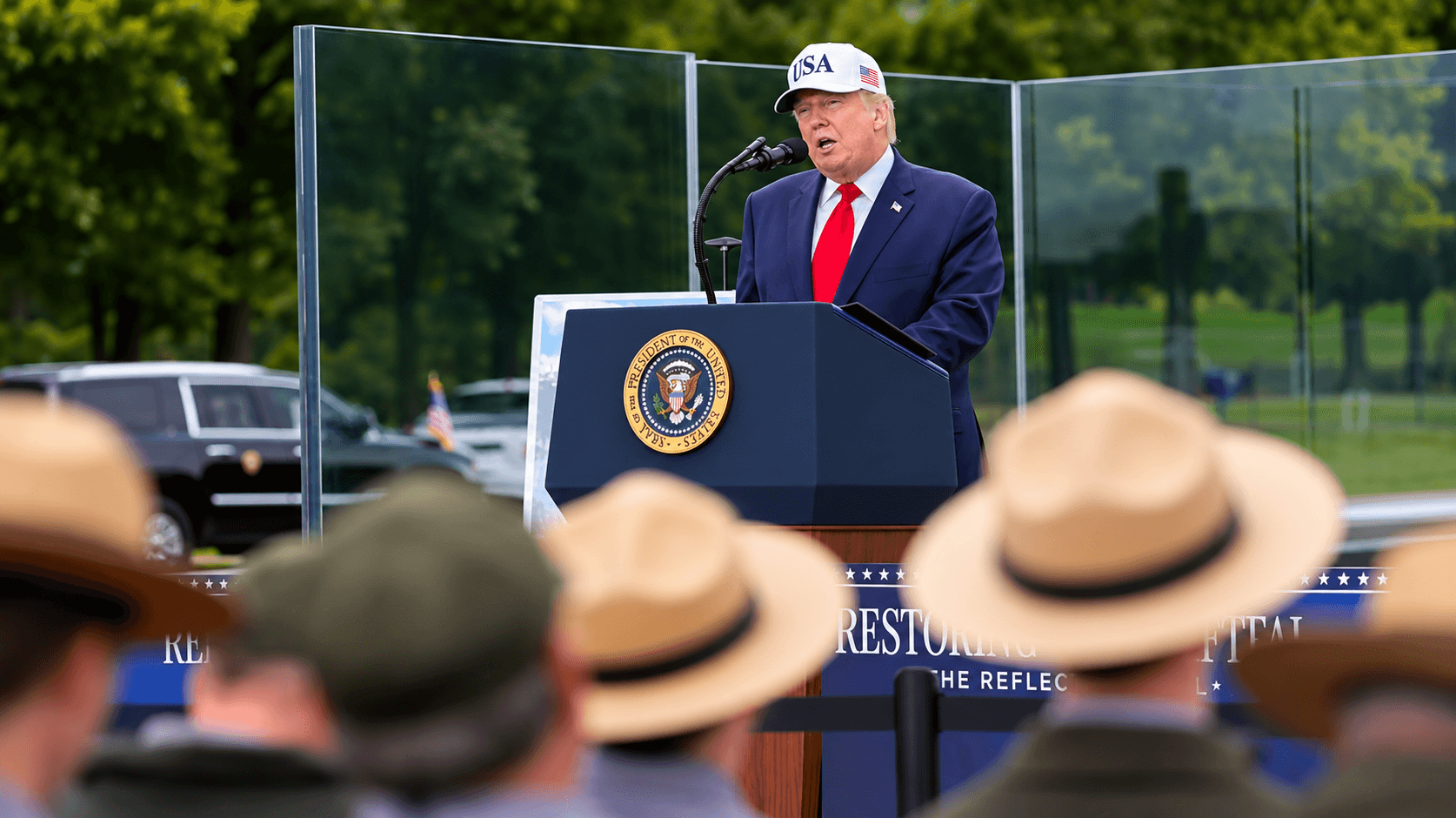
The United States is facing a major political realignment after Democrats won control of both chambers of Congress in the 2026 midterm elections. The outcome reverses the Republican majority and represents a significant blow to Trump's political standing.
Democrats made gains across the country, defeating Republican candidates in several traditionally conservative states and flipping dozens of House seats. Their Senate victories were particularly notable, with Democratic candidates winning races in states that had long been considered Republican strongholds.
The Associated Press described the result as a strong rejection of Trump's leadership and the Republican administration's policies. The cost of living, the ongoing war with Iran and concerns over government accountability emerged as major issues influencing voters.
A HISTORIC SHIFT IN CONGRESSIONAL POWER
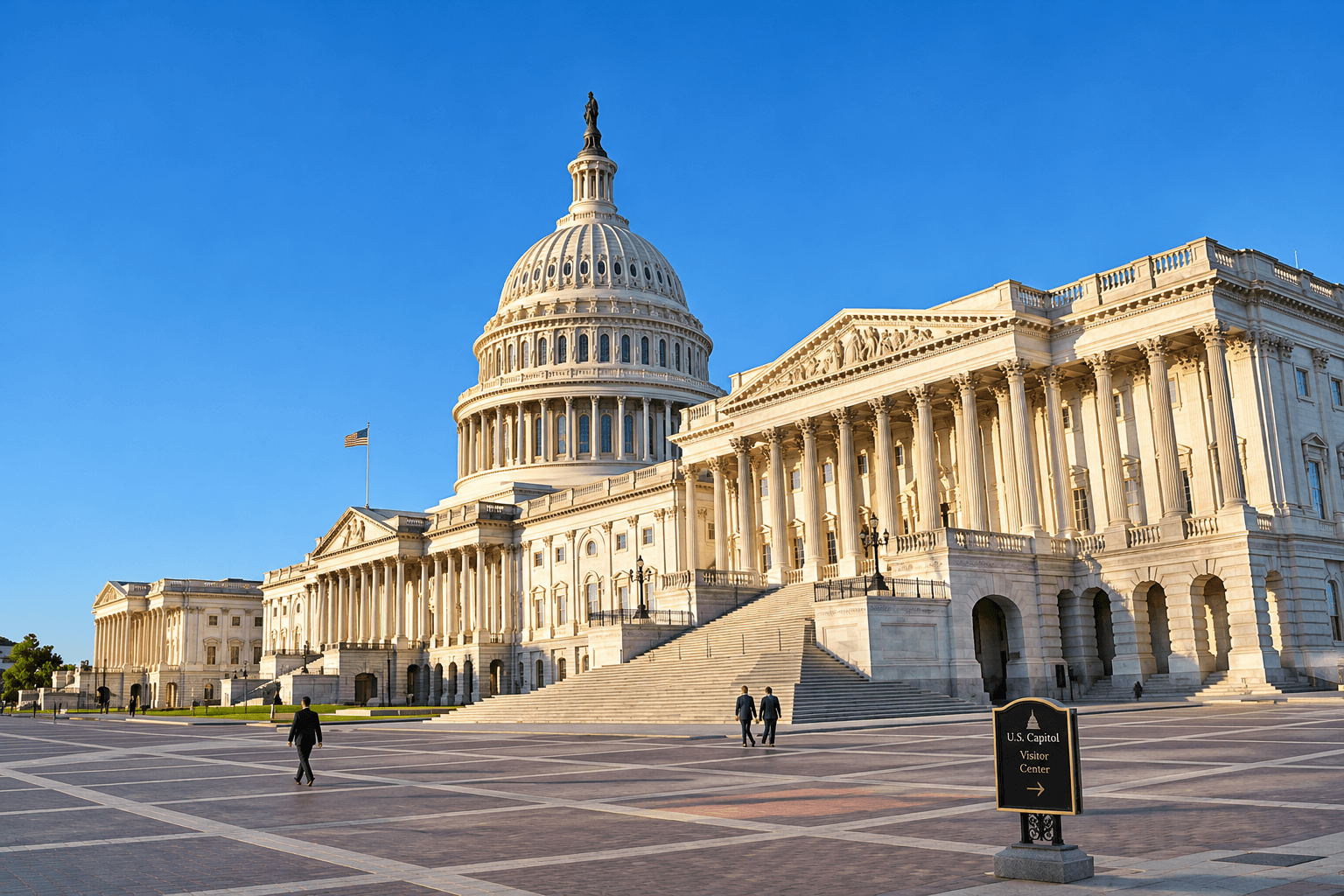
The election has fundamentally changed the balance of power in Washington. According to reported results, Democrats secured 228 seats in the House and 54 in the Senate, giving them control of both chambers.
The Senate outcome is particularly significant. Democrats flipped several Republican-held seats, scoring important victories in Texas, Kansas, South Carolina, Iowa and North Carolina.
In Texas, James Talarico defeated Republican Ken Paxton, delivering Democrats their first Senate victory in the state since 1988. Kansas also elected a Democratic senator for the first time since 1932, with Adam Hamilton defeating incumbent Republican Roger Marshall.
South Carolina produced another major upset as Democrat Annie Andrews defeated her Republican opponent. Former North Carolina governor Roy Cooper also secured a Senate victory.
These results underline the scale of the Democratic comeback, particularly in states where Republicans had traditionally enjoyed a strong electoral advantage.
VOTERS SEND A CLEAR MESSAGE TO THE TRUMP ADMINISTRATION
The midterm elections were widely seen as a referendum on Trump's presidency and the direction of the country. Democratic candidates focused their campaigns on rising household expenses, economic uncertainty, government accountability and the need for stronger congressional oversight.
The cost of living and higher fuel prices were among the biggest concerns for voters. The ongoing conflict with Iran also became a major campaign issue, particularly as its economic consequences added pressure on American households.
Reuters reported that exit polling pointed to widespread dissatisfaction with the country's direction, along with strong support for greater congressional oversight of the president.
Trump, meanwhile, attempted to distance himself from the Republican defeats, suggesting that the quality of individual candidates had played a role. However, he also acknowledged that the Iran conflict and rising fuel prices had damaged his party's electoral prospects.
Despite the setback, Trump indicated that he would accept the election results while making it clear that he could veto legislation he disagreed with.
REPUBLICANS FACE AN UNCERTAIN POLITICAL FUTURE
The Republican Party now faces the difficult task of regrouping after losing control of Congress. The scale of the defeat has raised questions about its campaign strategy, its close association with Trump and its ability to retain support among economically frustrated voters.
The defeat of several Republican incumbents and losses in traditionally safe seats have increased pressure on party leadership.
In the House, Republicans will have to adjust to a Democratic majority and a new leadership structure. In the Senate, they will lose control of committee agendas and much of their influence over the legislative process.
The results could also reshape the party's direction ahead of the 2028 presidential election. With Trump constitutionally barred from seeking another term, attention is likely to turn towards potential successors and the future of the Republican platform.
DEMOCRATS PREPARE TO USE THEIR NEW MAJORITY
Democratic leaders are expected to make affordability, healthcare and government accountability central priorities when the new Congress begins its work.
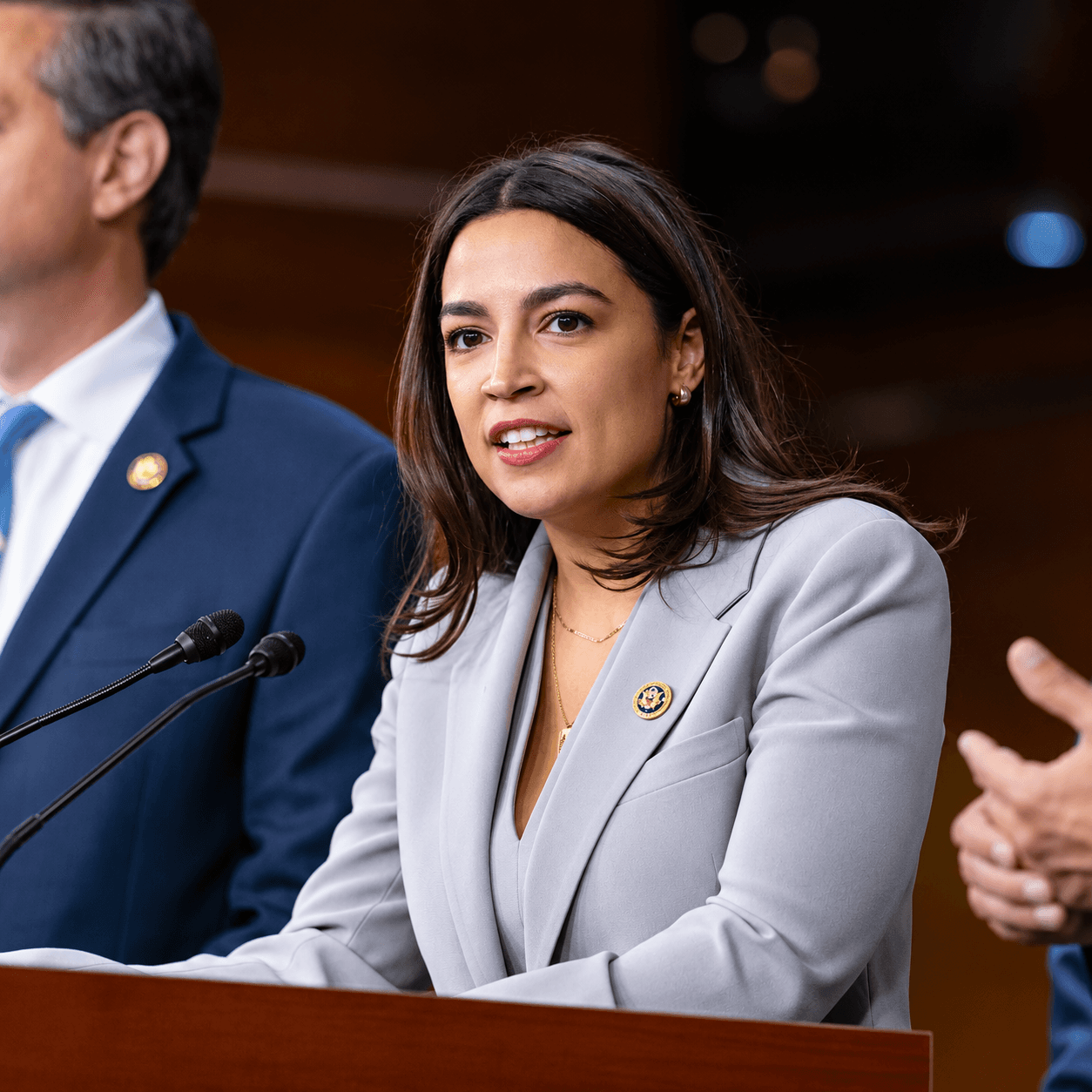
House Democratic Leader Hakeem Jeffries and Senate Democratic Leader Chuck Schumer are likely to play key roles in setting the party's legislative agenda.
Democrats have also indicated that they intend to increase scrutiny of the Trump administration. Congressional committees could investigate government decisions, the conduct of senior officials and possible conflicts of interest.
However, winning control of both chambers does not mean Democrats will have an easy path to passing legislation. Senate procedural rules, presidential vetoes and disagreements within their own party could complicate efforts to turn campaign promises into law.
The new majority will need to balance the expectations of voters with the practical challenges of governing.
HISTORIC FIRSTS MARK THE NEW CONGRESS
Beyond the shift in political power, the election has also produced several notable victories that could make the new Congress more representative of America's diverse population.
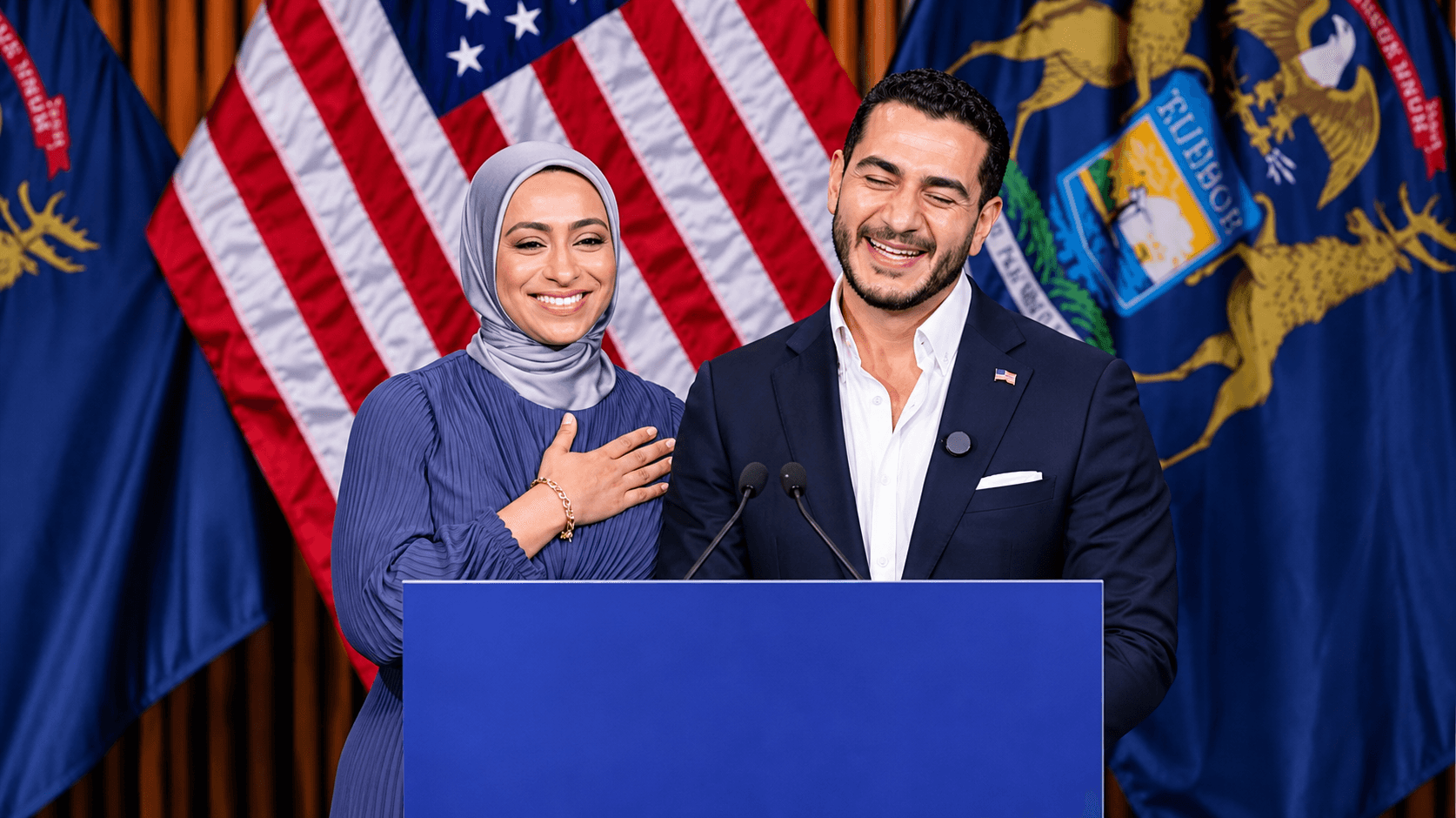
Abdul El-Sayed of Michigan is set to become the first Muslim senator in US history. Peggy Flanagan of Minnesota will become the first Native American woman elected to the Senate, while Chris Pappas of New Hampshire is set to become the first openly gay male US senator.
Illinois Democrat Julia Stratton's victory will also contribute to another milestone, with three Black women expected to serve in the Senate for the first time.
These victories reflect a broader change in the political representation of American communities and add another historic dimension to the 2026 elections.
RISKS AND KEY ISSUES TO WATCH
Legislative deadlock: Trump's veto power and disagreements between Congress and the White House could slow major policy decisions.
Investigations into the administration: Democratic-led committees may launch inquiries into government decisions and executive conduct.
Economic pressure: Inflation, fuel prices and household expenses will remain important tests for both parties.
Foreign policy tensions: The Iran conflict and its wider economic impact could continue to dominate political debate.
Republican leadership crisis: The party must reassess its strategy and prepare for a political future beyond Trump.
Democratic unity: The new majority will need to manage differences between moderate and progressive lawmakers.
WHAT TO WATCH NEXT
Congressional leadership elections: Democrats will select their leaders and prepare for the first major legislative battles.
Committee appointments: Control of congressional committees will shift, giving Democrats greater oversight powers.
The new legislative agenda: Measures addressing living costs, healthcare and government accountability are expected to take priority.
Republican restructuring: The party's response to the defeat could influence its preparations for the 2028 presidential election.
Trump's relationship with Congress: His administration's response to Democratic legislation and investigations will help determine the political atmosphere in Washington.
FACT CHECK METER
Editorial confidence: 96%
Strongly supported — based on multiple major news reports.
Confirmed details
Democrats secured control of both the House and Senate.
Republican-held seats were lost in several traditionally conservative states.
Economic concerns and the Iran conflict featured prominently in election coverage.
The results represent a major setback for Trump's legislative agenda.
Important distinctions
Final seat totals may change as outstanding results are updated.
Democratic control does not guarantee the passage of every proposed bill.
Potential investigations and impeachment discussions should not be confused with completed congressional actions.
AWX VERDICT
The Democratic victory is supported by reporting from the Associated Press, Reuters and The Guardian. However, the full political impact will depend on congressional leadership decisions, legislative priorities and the Trump administration's response.
The 96% figure represents AWX's editorial confidence in the article's factual reporting. It is not a statistical probability or an official rating.
THE AWX BOTTOM LINE
The 2026 midterm elections have delivered one of the biggest political setbacks of Donald Trump's presidency. By taking control of both chambers of Congress, Democrats have gained a stronger platform to challenge the administration, investigate its decisions and influence the country's legislative direction.
For Republicans, the defeat raises difficult questions about leadership, voter confidence and the party's future beyond Trump. Democrats, meanwhile, face the equally important challenge of turning electoral success into meaningful results for the American public.
The next two years could prove decisive for the balance of power in Washington, the future of American politics and the strength of the country's democratic institutions.
ATTLAS NEWS | AWX WORLD NEWS
Real Stories. Lasting Impact.

Comments
No comments yet.