


The rising cost of living has become one of the biggest political concerns in the United States, with voters using the 2026 midterm elections to express frustration over the financial pressures facing ordinary households. Persistent inflation, expensive essentials and uncertainty about family budgets featured prominently in the campaign, contributing to a major Democratic victory.
The results have dealt President Donald Trump a significant political setback, with Democrats winning control of both chambers of Congress. Post-election surveys suggest that dissatisfaction with the economy played an important role in the outcome, particularly among voters who felt their financial situation had become more difficult over the past two years.
For many Americans, the election was about more than party politics or presidential leadership. It was about whether their salaries could keep up with rising expenses, whether families could afford basic necessities and whether the government was delivering on its promises to improve living standards.
COST OF LIVING EMERGES AS THE DEFINING ELECTION ISSUE
Economic anxiety remained a major theme throughout the campaign, with voters repeatedly pointing to affordability as one of their biggest concerns.
An Associated Press survey of approximately 100,000 voters found that around nine in ten considered the cost of living an important factor in their voting decisions. Roughly six in ten voters who identified living costs as a major concern supported Democratic candidates.
The survey also suggested that many Americans believed government policies had contributed to high prices. Around two-thirds blamed Trump's policies for inflation, while tariffs and rising energy costs linked to the Iran conflict added to concerns about household finances.
Grocery bills, electricity, housing, healthcare and transport expenses became regular talking points during the campaign. For families already working with limited budgets, even relatively small price increases have made it harder to manage monthly spending.
The findings suggest that affordability concerns crossed political and income boundaries, although frustration was particularly strong among voters who felt their financial circumstances had deteriorated.
INFLATION FRUSTRATION PUTS TRUMP'S ECONOMIC PROMISES UNDER PRESSURE
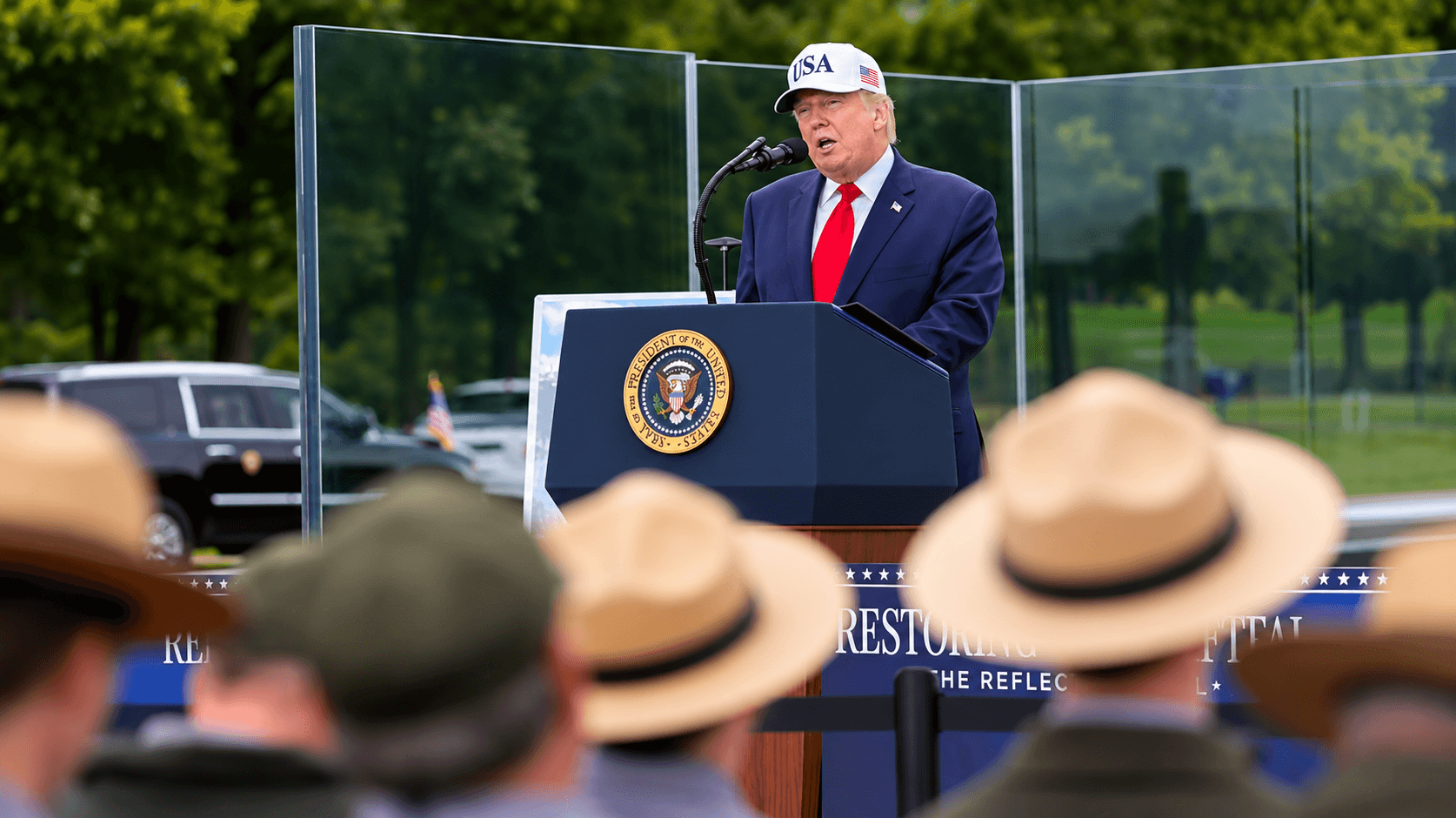
Economic concerns played an important role in Trump's victory in the 2024 presidential election. At the time, he promised to bring inflation under control and make everyday life more affordable. Two years later, however, many voters appear unconvinced that those promises have translated into meaningful improvements.
CBS News exit polling found that more voters described their household finances as worse than better compared with two years earlier. The findings also pointed to continued financial hardship caused by inflation, making it an important issue in a second consecutive election cycle.
The challenge for the administration is that people judge the economy largely by what they experience in their daily lives. A slower rate of inflation does not necessarily mean prices have fallen. Groceries, rent, fuel and other essentials can remain significantly more expensive even when the pace of price increases begins to ease.
That difference has become central to the political debate. While the administration may point to economic growth and improvements in selected indicators, many households are still struggling to feel the benefits.
FUEL PRICES AND THE IRAN CONFLICT ADD TO FINANCIAL PRESSURE
Energy prices became another source of concern during the election campaign. The conflict involving Iran added uncertainty to global energy markets, raising concerns about fuel costs and the wider economic impact of rising oil prices.
Higher fuel prices affect more than motorists. They can increase delivery charges, push up the cost of transporting goods and place additional pressure on businesses that depend heavily on energy and logistics.
Election survey findings also suggested that voters worried about gasoline prices were more likely to oppose the administration's military action against Iran.
This created another political challenge for Trump. His administration had to defend its foreign policy decisions while facing questions from Americans concerned about the economic consequences of the conflict.
TARIFFS AND TRADE POLICIES FACE RENEWED SCRUTINY
Trump's tariff policy also became a point of debate during the campaign. Although tariffs are designed to protect domestic industries and encourage American manufacturing, they can increase costs for businesses that depend on imported goods and raw materials.
Depending on market conditions, companies may pass some of these additional expenses on to consumers through higher prices.
CBS News exit polling found that most voters believed Trump's tariffs were hurting the economy. The Associated Press survey similarly indicated that many Americans blamed the administration's policies for contributing to inflation.
The election has brought renewed attention to a wider economic question: are tariffs strengthening American industries, or are they making everyday products more expensive for consumers?
DEMOCRATS TURN ECONOMIC FRUSTRATION INTO ELECTORAL GAINS
Democrats made affordability a central part of their campaign, focusing on issues such as housing, healthcare, grocery prices and household energy bills.
Their message found support among voters who felt increasingly squeezed by everyday expenses. A Washington Post survey conducted with NORC and other partners found that people dissatisfied with the economy and those experiencing financial difficulties strongly favoured Democratic candidates.
The survey also suggested that Democrats improved their position among several groups that had shifted towards Trump in 2024, including younger voters, Hispanic voters and people without college degrees.
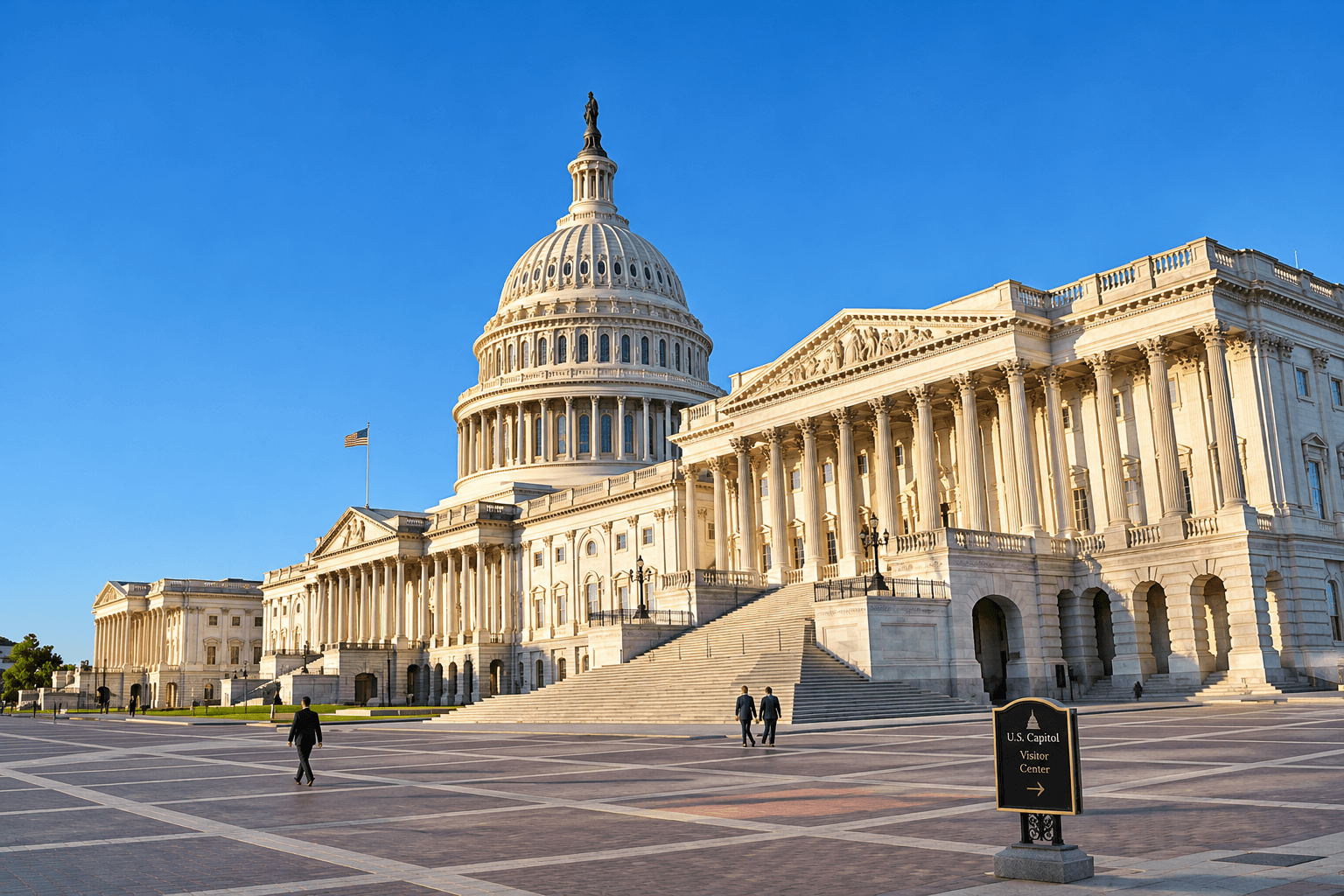
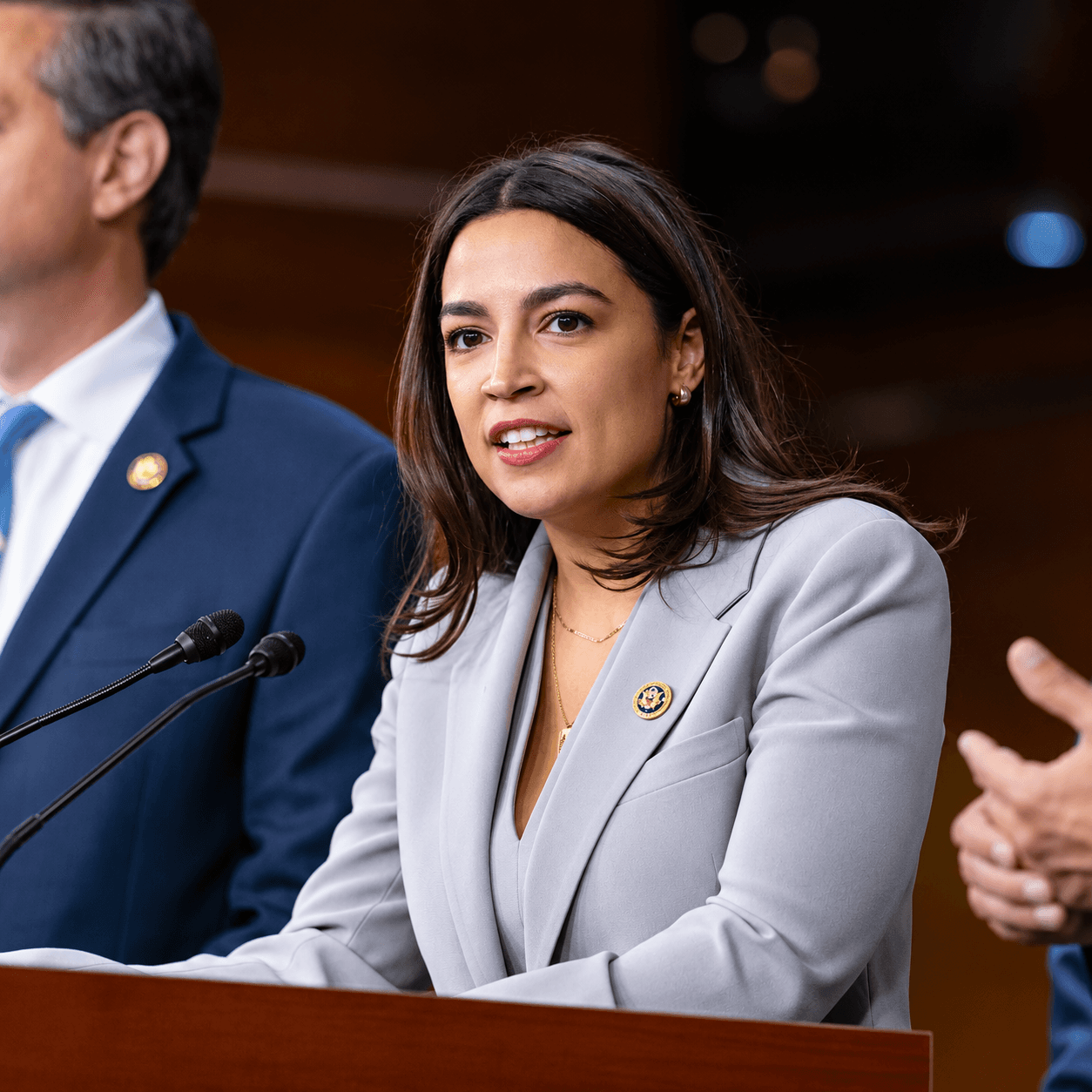
With control of Congress now in their hands, Democratic leaders are expected to push proposals aimed at reducing household expenses. However, turning campaign promises into legislation that produces visible results will be a much bigger challenge.
Voters who supported the party over economic concerns will likely expect measurable improvements rather than another round of political promises.
A WARNING FOR BOTH POLITICAL PARTIES
Although Democrats benefited from widespread economic dissatisfaction, the results should not be interpreted as unconditional public support for the party.
The Washington Post's post-election survey found that neither major party enjoyed overwhelming public approval. Democrats gained an advantage over Republicans on economic issues, but the incoming congressional majority now faces considerably higher expectations.
The party will need to show that it can deliver practical improvements rather than simply criticise the administration's economic policies.
Republicans, meanwhile, face difficult questions about their economic message and why the administration's promises have failed to convince many households that their financial situation is improving.
One message from the election is particularly clear: economic credibility will remain a major factor in American politics long after the midterm campaign has ended.
RISKS AND KEY ISSUES TO WATCH
Persistent household expenses: Grocery, housing, healthcare and utility costs could continue to weigh on public confidence.
Energy-market volatility: Developments in the Iran conflict could influence oil prices, fuel expenses and broader inflation expectations.
Tariff-related costs: Businesses and consumers may face further uncertainty if trade policies increase the cost of imported products.
Political deadlock: Disagreements between the White House and the Democratic-controlled Congress could delay new affordability measures.
Democrats' delivery challenge: The party will face pressure to demonstrate measurable progress on the cost of living.
Consumer confidence: Continued financial anxiety could influence household spending, business activity and political support.
WHAT TO WATCH NEXT
Upcoming inflation data: New US inflation reports will be closely monitored for signs that price pressures are easing.
Federal Reserve decisions: Interest-rate policy will remain important for mortgage payments, borrowing costs and household budgets.
Global energy prices: Developments in oil markets and the Iran conflict could have a direct impact on fuel expenses.
Congressional affordability proposals: Democrats are expected to push initiatives addressing housing, healthcare and everyday costs.
Trump's economic response: The administration will face growing pressure to demonstrate that its policies can improve household finances.
The 2028 election outlook: Economic performance is likely to remain a major measure of public confidence in both parties.
FACT CHECK METER
Editorial confidence: 97%
Strongly supported — multiple post-election surveys.
Confirmed details
Affordability and dissatisfaction with the economy were major issues during the 2026 midterm elections.
Associated Press survey findings indicate that roughly nine in ten voters considered living costs an important factor in their voting decisions.
CBS exit polls highlighted widespread concerns about household finances and inflation.
Economic dissatisfaction helped Democrats make significant electoral gains.
Important distinctions
Exit polls and voter surveys reflect public opinion and reported voting priorities. They do not establish that one issue alone determined the election.
Slower inflation does not mean that prices have returned to their previous levels.
Tariffs and the Iran conflict were identified as economic concerns, but their precise contribution to overall inflation requires separate economic analysis.
AWX VERDICT
The available survey findings strongly suggest that inflation and living costs were central to voter dissatisfaction during the midterms. The results delivered a clear political warning, although economic concerns were only part of a wider range of issues influencing voting decisions.
The percentage represents AWX editorial confidence in the article's factual reporting, not a statistical probability or official rating.
THE AWX BOTTOM LINE
The 2026 US midterms have delivered a powerful reminder that economic promises mean little when families continue to struggle with everyday expenses. Grocery bills, housing costs, fuel prices and persistent inflation concerns became major forces in the election, helping Democrats turn public frustration into a significant victory in Congress.
For Trump, the results are a warning that economic confidence remains one of the most important tests of presidential leadership. For Democrats, the victory brings its own responsibility: proving that they can deliver meaningful improvements rather than simply offering criticism.
The message from American voters is straightforward. Political leaders will increasingly be judged not by announcements, campaign slogans or headline economic figures, but by whether ordinary families can afford their everyday lives.
ATTLAS NEWS | AWX WORLD NEWS
Real Stories. Lasting Impact.

Comments
No comments yet.