

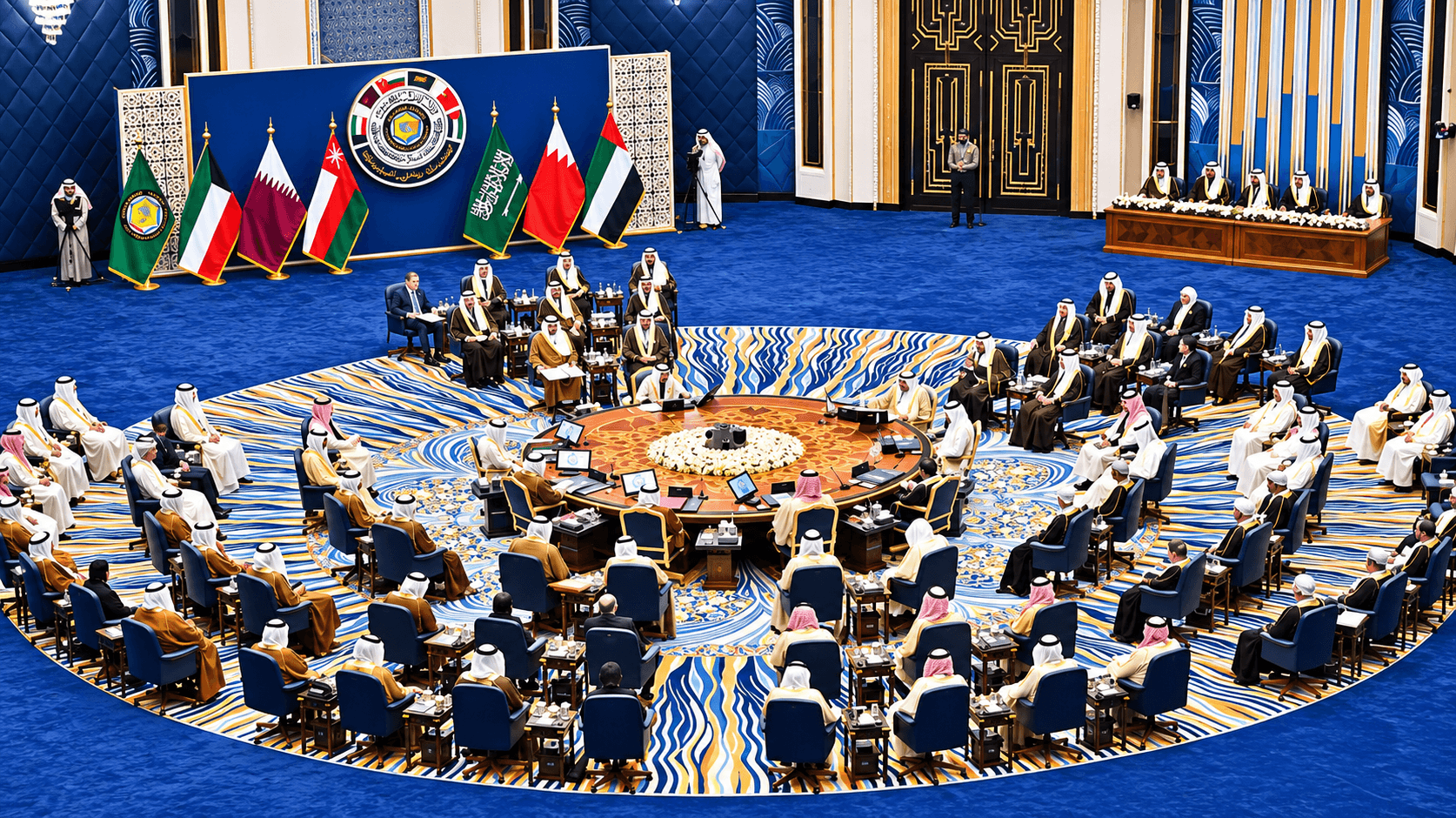
The Gulf Cooperation Council (GCC) is stepping up calls for regional unity as tensions involving Iran continue to raise security concerns across the Gulf. Missile and drone attacks, which the bloc has attributed to Iran, have pushed regional defence cooperation and the protection of critical infrastructure higher on the agenda.
Speaking at the 22nd IISS Manama Dialogue in Bahrain, GCC Secretary-General Jasem Mohamed Albudaiwi stressed the need for closer coordination among the six member states. He said Gulf security is interconnected, making cooperation essential as countries face growing regional threats.
The message from Gulf leaders is clear: individual countries cannot afford to address these challenges in isolation. Stronger defence arrangements, better information-sharing and coordinated diplomatic efforts are becoming increasingly important.
At the same time, the GCC wants to avoid a wider confrontation. Its challenge is to strengthen regional security while keeping diplomatic channels open and preventing the crisis from escalating further.
GCC LEADERS CALL FOR A UNITED RESPONSE TO SECURITY THREATS
The GCC brings together Saudi Arabia, the United Arab Emirates, Bahrain, Qatar, Kuwait and Oman. Its latest statements reflect a shared position that threats against one member state can have consequences for the security of the entire region.
During its 168th Ministerial Council session in Manama on October 18, the bloc condemned what it described as continued Iranian missile and drone attacks against GCC countries and Jordan.
According to the council, the attacks targeted civilian facilities, residential areas, public services and diplomatic missions, causing material damage and putting residents at risk.
The council held Iran responsible and called for an immediate and unconditional end to the attacks. It also reaffirmed that member states have the right to defend their sovereignty and security, individually and collectively, under Article 51 of the United Nations Charter.
The position highlights a growing recognition among Gulf governments that missile threats, drone operations and attacks on essential infrastructure require a coordinated response rather than separate national efforts.
COLLECTIVE DEFENCE AND EARLY-WARNING SYSTEMS TAKE PRIORITY
Improving military coordination is becoming a key part of the GCC's security agenda.
At the Manama Dialogue on October 31, Albudaiwi described collective defence and closer military integration as essential to building a stronger regional security framework. He also highlighted the readiness of GCC armed forces and the importance of working more closely to protect member states.
The bloc is also looking at ways to strengthen regional early-warning capabilities, including systems that could improve the detection of ballistic missile threats.
Better coordination would allow member states to share intelligence more quickly, respond to potential threats more effectively and improve preparedness during emergencies.
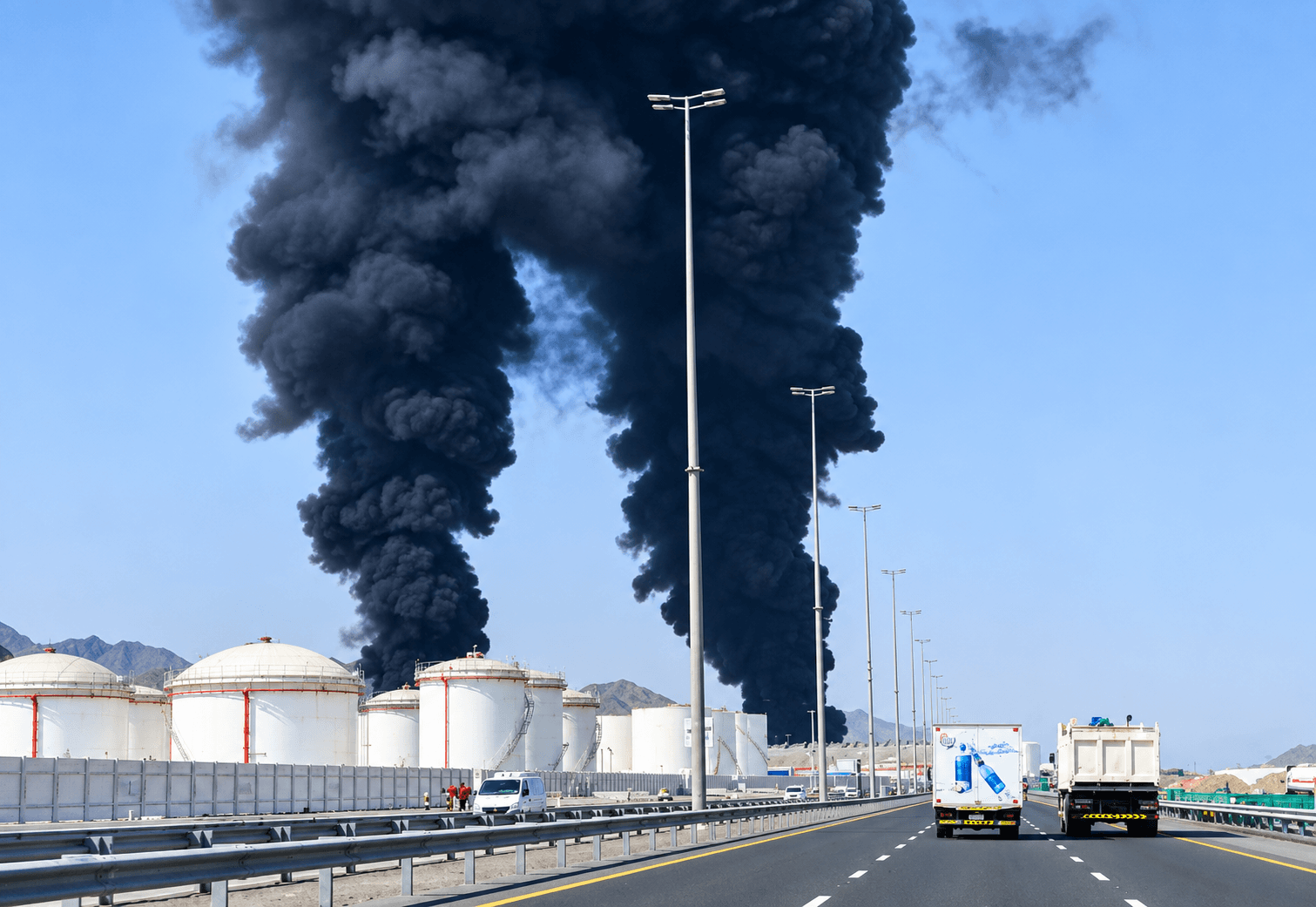
However, the focus is not limited to military facilities. Airports, seaports, power stations, water desalination plants and oil and gas installations are all essential to the functioning of Gulf economies. Protecting these facilities has become an important part of the wider security discussion.
It is worth distinguishing these proposals from an announcement of a new joint military operation. Current public statements focus on defensive cooperation, preparedness and closer military coordination.
STRAIT OF HORMUZ DISRUPTION RAISES GLOBAL ECONOMIC CONCERNS
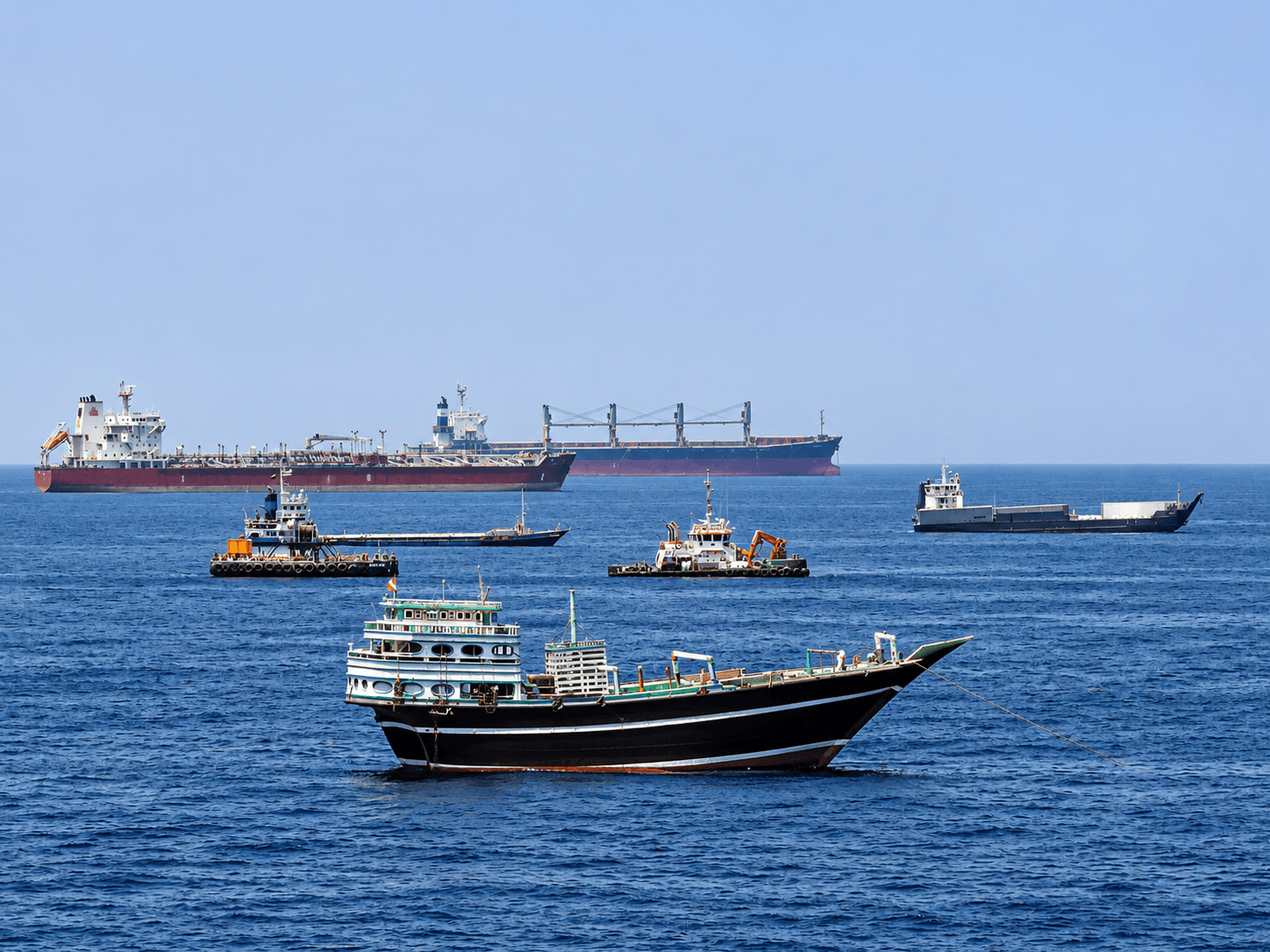
The security of the Strait of Hormuz remains one of the biggest concerns for Gulf countries.
The narrow shipping route connects the Persian Gulf with the Gulf of Oman and carries a significant share of the world's energy shipments. Any prolonged disruption could affect oil and gas exports, raise shipping and insurance costs, and create further pressure on international supply chains.
Speaking at the Manama Dialogue, Albudaiwi warned that disruptions in the Strait had already affected energy prices, maritime insurance and shipping costs, with wider consequences for global trade.
The GCC Ministerial Council has also highlighted the importance of the Strait of Hormuz, Bab Al-Mandab and the Red Sea as essential international waterways. It has called for freedom of navigation and a return to normal maritime conditions.
For Gulf economies, reliable shipping routes are particularly important. Energy exports, international trade and access to global markets all depend on safe and predictable maritime movement.
The GCC is therefore calling on international partners to treat maritime security as a shared global responsibility, rather than an issue affecting the Gulf alone.
DIPLOMACY REMAINS CENTRAL TO PREVENTING FURTHER ESCALATION
Despite its strong criticism of the reported attacks, the GCC continues to support diplomatic efforts to reduce tensions.
In its October 18 communiqué, the Ministerial Council called for a return to dialogue and negotiations. It also welcomed mediation efforts by regional and international partners, while stressing that Gulf countries must have a role in any discussions affecting their security and interests.
The council has indicated that a lasting agreement with Iran would need to address several outstanding concerns, including its nuclear programme, missile capabilities, drone activities and support for armed groups in the region.
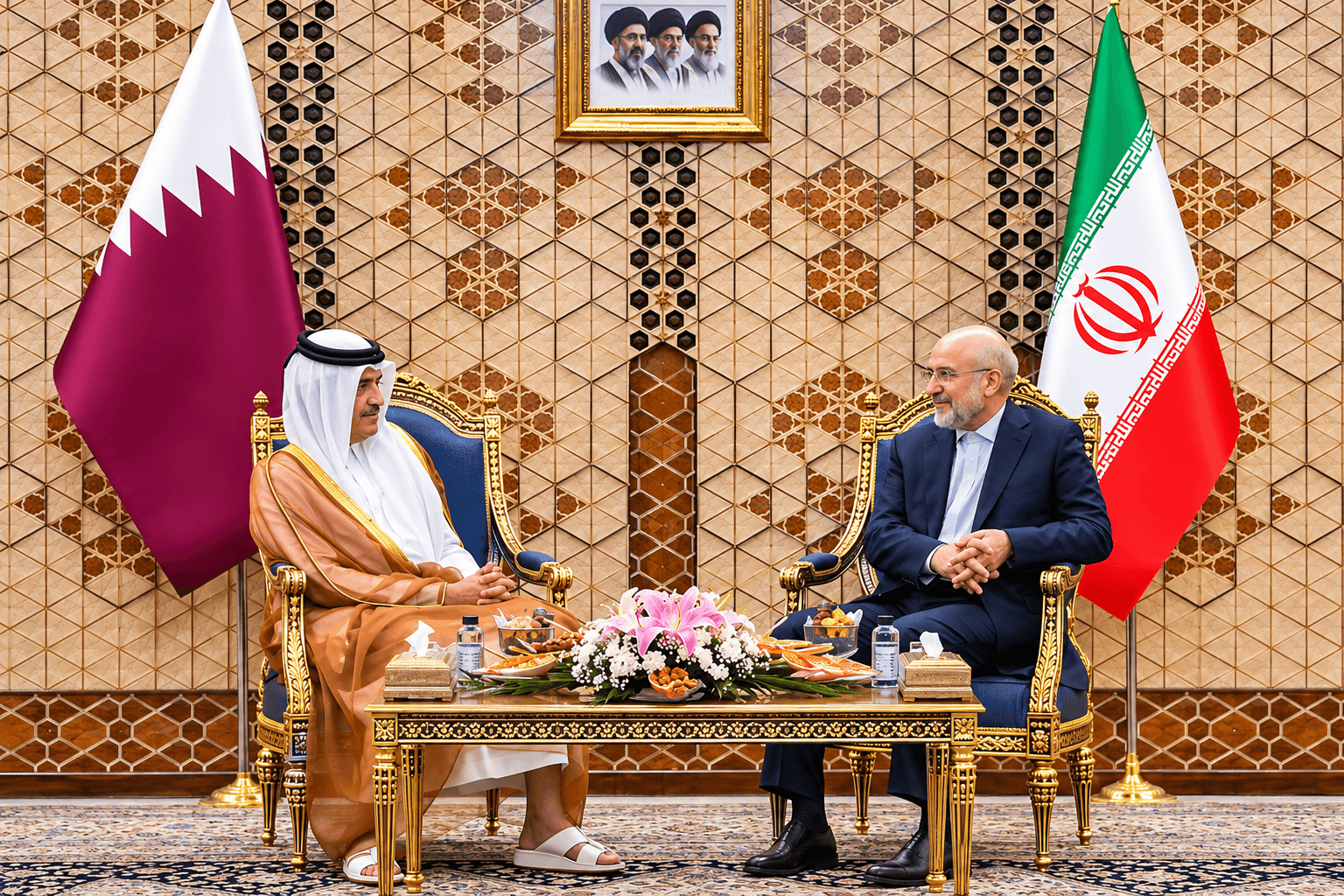
Albudaiwi also reiterated at the Manama Dialogue that Gulf states remain open to engagement with Tehran. However, he stressed that meaningful diplomacy requires cooperation from all sides.
Saudi Arabia has also been involved in regional diplomatic efforts. Vice Foreign Minister Waleed Elkhereiji said Riyadh was working to ease tensions, encourage negotiations and support mediation involving Qatar and Pakistan.
These developments show that the GCC is pursuing two parallel approaches: strengthening its ability to respond to security threats while continuing to look for a diplomatic solution.
INTERNATIONAL PARTNERSHIPS GAIN IMPORTANCE
The current security situation has also highlighted how closely Gulf stability is connected to international defence partnerships.
At the Manama Dialogue, officials discussed cooperation with several international partners, including the United States, European countries, China and other Asian nations.
Britain's Middle East Minister Stephen Doughty said British aircraft had carried out defensive missions over Qatar, Bahrain, Jordan and the UAE during Iranian attacks.
He also outlined British air-defence support for Bahrain and Kuwait, as well as assistance to Saudi Arabia in responding to missile and drone threats.
These developments underline the role international partners are playing in supporting Gulf security.
At the same time, GCC governments are keen to strengthen their own regional capabilities. Better coordination between member states could improve their ability to respond to future threats and reduce dependence on external support in certain areas.
ECONOMIC RESILIENCE BECOMES PART OF THE SECURITY STRATEGY
For Gulf countries, regional security is closely linked to economic stability.
Their economies depend heavily on energy exports, international investment, aviation, logistics, tourism and global trade. A prolonged conflict could disrupt supply chains, increase business costs and affect investor confidence.
This has made the protection of critical infrastructure an important priority for the GCC.
Electricity networks, water supplies, transport connections and strategic energy facilities all need to remain operational, even during periods of regional instability.
Closer economic cooperation could also help member states respond to disruptions more effectively and maintain essential services.
The wider goal is to protect the region's long-term development plans from the economic consequences of an extended security crisis.
A more coordinated GCC could also have a stronger voice in international discussions on energy markets, maritime security and regional stability.
RISKS AND KEY ISSUES TO WATCH
Further missile and drone attacks: Additional incidents could increase pressure on Gulf governments to improve their joint defensive capabilities.
Collective defence challenges: Differences in military capabilities and national priorities may make deeper integration more difficult.
Strait of Hormuz disruption: Continued security incidents could affect energy exports, shipping costs and international trade.
Diplomatic deadlock: Disagreements over Iran's nuclear programme, missile development and regional activities could complicate negotiations.
Critical infrastructure risks: Energy facilities, airports, ports and water networks remain important security priorities.
International military involvement: Additional support from external partners could strengthen defensive capabilities while adding complexity to regional diplomacy.
WHAT TO WATCH NEXT
GCC defence integration: Whether member states announce further steps towards joint military planning and intelligence-sharing.
Regional early-warning systems: Progress towards a coordinated system for detecting and responding to ballistic missile threats.
Iran's response: Whether Tehran responds to the GCC's demands and shows willingness to pursue diplomatic engagement.
Maritime security: Any agreements aimed at restoring safe and predictable navigation through the Strait of Hormuz and other strategic waterways.
Regional mediation: Whether Qatar, Pakistan and other diplomatic partners can help establish a framework for reducing tensions.
International cooperation: Further defence and security commitments from the United States, Britain and other international partners.
FACT CHECK METER
Editorial confidence: 98%
Status: Strongly supported by official GCC statements and recent diplomatic discussions.
CONFIRMED DETAILS
GCC Secretary-General Jasem Albudaiwi called for stronger regional security cooperation at the Manama Dialogue on October 31.
The GCC Ministerial Council condemned Iranian missile and drone attacks in its October 18 communiqué.
The council reaffirmed that the security of its six member states is interconnected.
GCC officials called for stronger collective defence, diplomatic engagement and the protection of international waterways.
The council urged the international community to support freedom of navigation through the Strait of Hormuz, Bab Al-Mandab and the Red Sea.
IMPORTANT DISTINCTIONS
Allegations about Iranian attacks are attributed to official GCC statements. Individual incidents should be assessed using independent reporting and verification.
Calls for stronger collective defence do not confirm that a new joint military operation has been approved.
Diplomatic efforts are continuing, but no comprehensive regional peace agreement has been confirmed.
Proposed early-warning and military integration initiatives should not be described as fully operational unless their implementation is independently confirmed.
AWX VERDICT
The GCC is looking to turn its shared security concerns into more practical regional cooperation. Its approach combines stronger defence coordination, maritime protection, international partnerships and continued diplomatic engagement.
The main challenge is to protect member states without allowing the confrontation involving Iran to develop into a wider regional war.
The percentage represents AWX editorial confidence in the article's factual reporting, not a statistical probability or official rating.
THE AWX BOTTOM LINE
The GCC's renewed call for Gulf unity reflects growing concern about the security challenges facing the region.
Missile and drone attacks, which the council has attributed to Iran, have brought the protection of civilian infrastructure, maritime routes and essential services into sharper focus. Gulf governments are now placing greater emphasis on military coordination, early-warning capabilities and cooperation with international partners.
But stronger defences alone will not resolve the crisis. The GCC is also keeping diplomacy on the table, calling for negotiations and insisting that the security concerns of Gulf countries must be addressed in any future political settlement.
The coming weeks will be important in determining whether the six member states can turn their common position into practical security measures while keeping diplomatic efforts alive.
The consequences extend well beyond the Gulf. With the Strait of Hormuz playing such an important role in global energy transportation and international trade, regional stability remains an issue of worldwide importance.
ATTLAS NEWS | AWX WORLD NEWS
Real Stories. Lasting Impact.
Comments
No comments yet.