

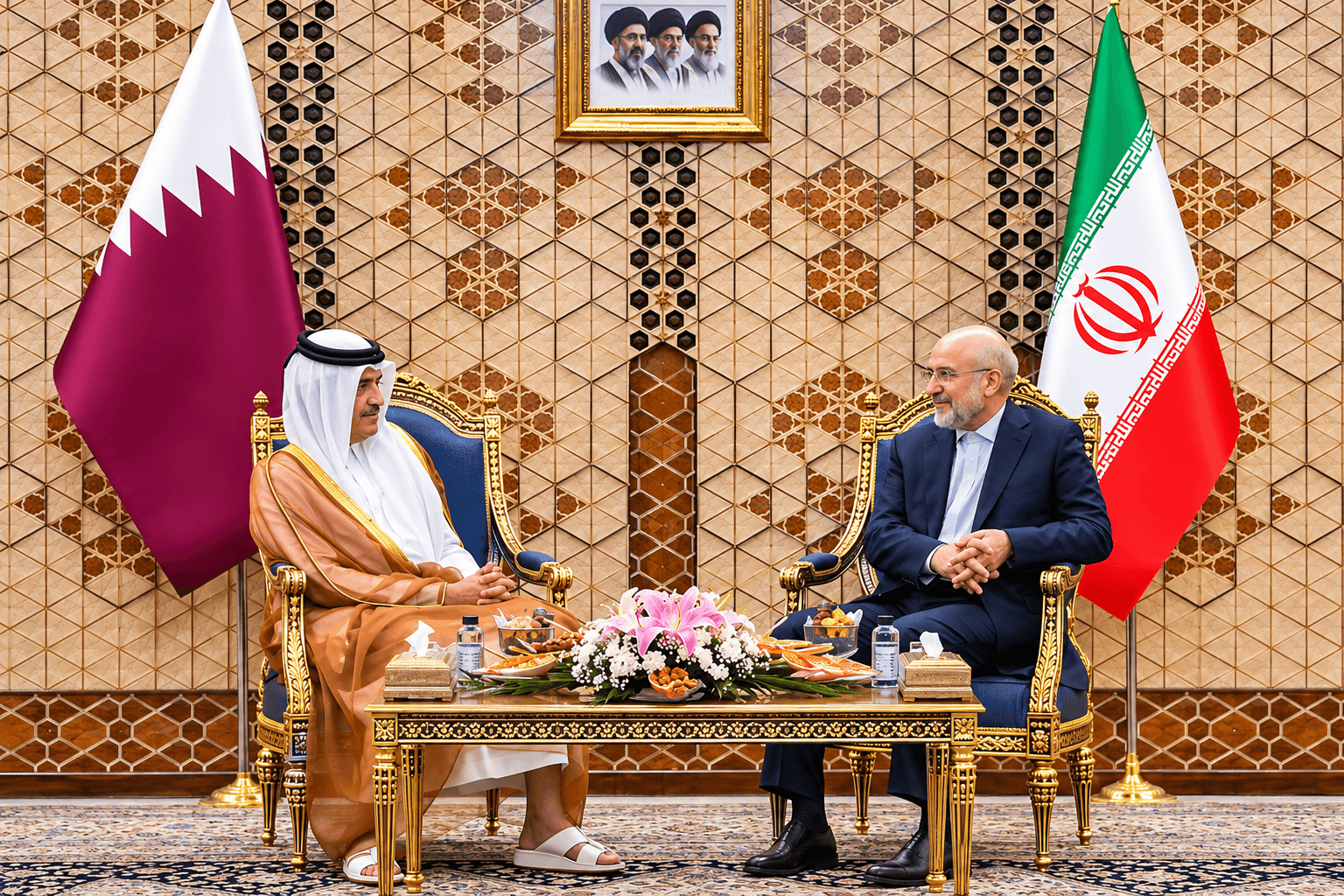
Qatar is intensifying its diplomatic efforts to prevent another confrontation between Iran and the United States as tensions across the region remain high. The continued disruption to shipping through the Strait of Hormuz has added to concerns over global trade and energy supplies, making a diplomatic solution increasingly urgent.
Iranian negotiators and Qatari mediators held discussions in Doha for a third consecutive day on Sunday, November 1, as efforts continued to find a way to end the conflict. These meetings followed more than 12 hours of discussions between Iranian and Qatari representatives in Tehran on Friday, October 30.
According to a source familiar with the negotiations who spoke to Reuters, the diplomatic process also involves regular communication with Washington.
The urgency surrounding the talks has grown amid warnings that military action could resume after the US midterm elections on November 3. Although US officials have indicated that President Donald Trump would prefer a diplomatic solution, Washington has not ruled out further military action.
For Qatar, the immediate priority is to keep both sides engaged, reduce disagreements and create the conditions for a wider settlement.
DOHA EMERGES AS A KEY CHANNEL FOR US-IRAN DIPLOMACY
Qatar is playing an increasingly important role in efforts to bring Washington and Tehran closer to a possible agreement.
The latest discussions in Doha followed several diplomatic meetings in Tehran, where Qatari representatives explored ways to reduce tensions and restore normal shipping activity. Rather than direct negotiations between American and Iranian officials, the process has so far relied on intermediaries exchanging proposals and messages.
US Secretary of State Marco Rubio confirmed on October 31 that communication with Iran was continuing through several channels. He said President Trump preferred a diplomatic outcome but remained prepared to consider military options if necessary.
Iranian Foreign Minister Abbas Araghchi has also confirmed that discussions with Qatari mediators are ongoing. Tehran has indicated that it remains open to diplomacy while maintaining that it would respond if attacked again.
These continuing exchanges are important because they give both countries an opportunity to explore possible compromises without immediately entering formal face-to-face negotiations.
STRAIT OF HORMUZ REOPENING TAKES CENTRE STAGE
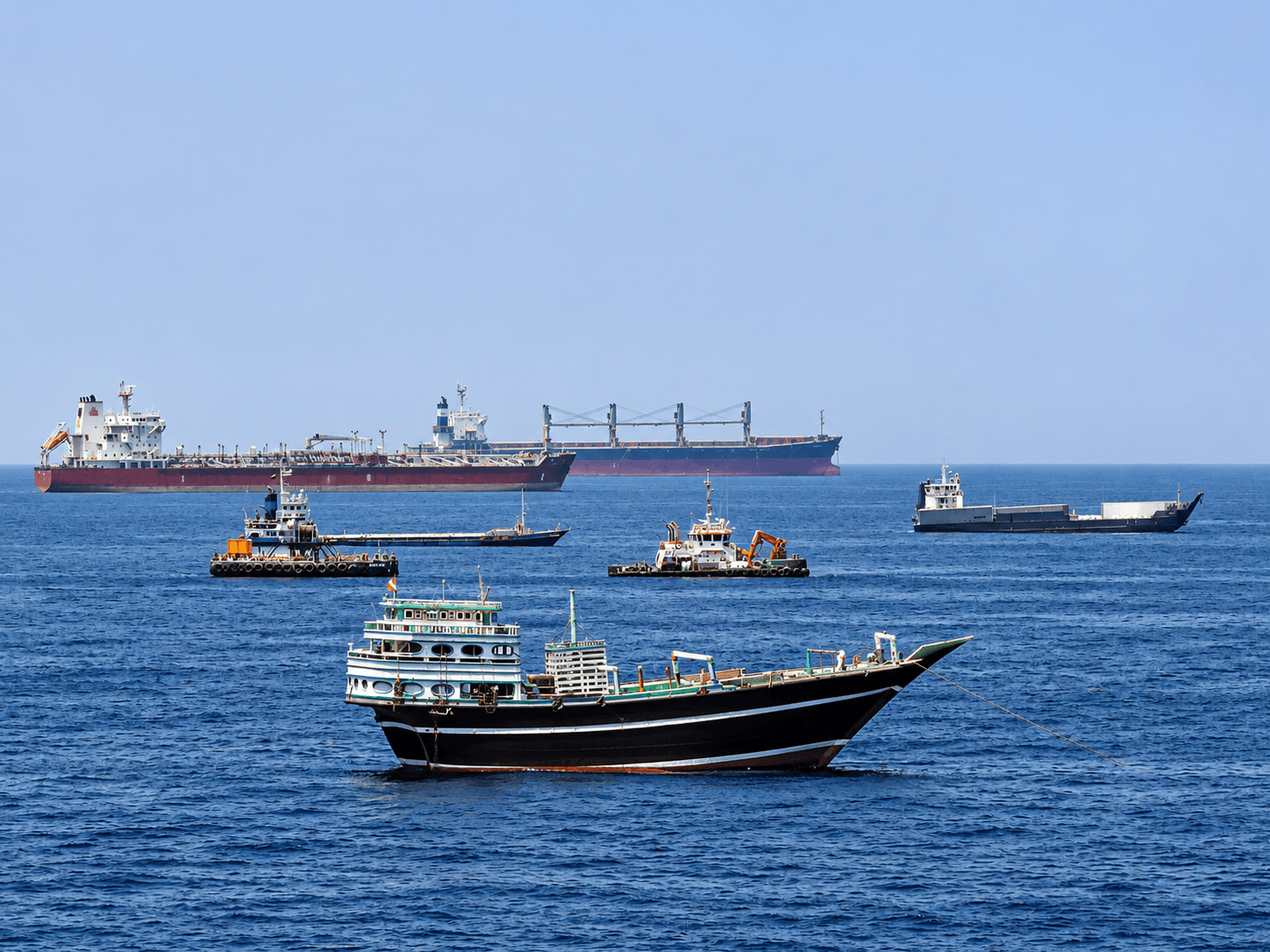
The future of the Strait of Hormuz has become one of the biggest issues in the ongoing diplomatic discussions.
Iran has proposed reopening the strategic waterway within two days, provided Washington agrees to several conditions. According to comments by Foreign Minister Abbas Araghchi reported by Al Jazeera, Tehran wants the United States to lift its blockade of Iranian ports, ease sanctions, reduce its military presence in the region and recognise proposed shipping arrangements involving Iran and Oman.
The proposal also connects the reopening of the Strait to a broader end to hostilities across the region, including the conflict involving Israel and Lebanon.
The Strait of Hormuz is one of the world's most important shipping routes, carrying a substantial share of global oil and liquefied natural gas supplies. Any prolonged disruption can affect energy prices, shipping schedules, insurance costs and international trade.
This makes the waterway a major priority for Qatar's mediators, who are seeking an arrangement that can restore commercial shipping while reducing the risk of further military escalation.
However, Iran's proposal remains conditional. Washington has not publicly accepted the demands, and there has been no confirmed agreement to reopen the Strait.
QATAR'S SEVEN-DAY PLAN AIMS TO BUILD CONFIDENCE
Alongside the discussions over maritime security, Qatar has explored a separate initiative designed to build confidence between Iran and the United States.
According to Reuters, Qatari mediators presented Tehran with a seven-day proposal under which both sides would take daily steps to reduce tensions before moving towards broader negotiations.
The idea is to make gradual progress on immediate concerns rather than expect both countries to resolve every disagreement at once.
However, the proposal has not received a positive response from all sides. A senior Iranian official told Reuters that Tehran was not satisfied with the initiative.
Iran has continued to promote its own seven-day proposal, which includes demands relating to the US blockade, frozen assets and arrangements for maritime access.
The difference between the two approaches highlights the challenge facing mediators. While both sides appear willing to keep diplomatic channels open, they remain divided over which concessions should come first and what conditions must be met before negotiations can advance.
Qatar's task is to find enough common ground to keep the process moving without allowing disagreements over individual demands to derail the wider effort.
PAKISTAN AND SAUDI ARABIA JOIN WIDER REGIONAL DIPLOMATIC EFFORTS
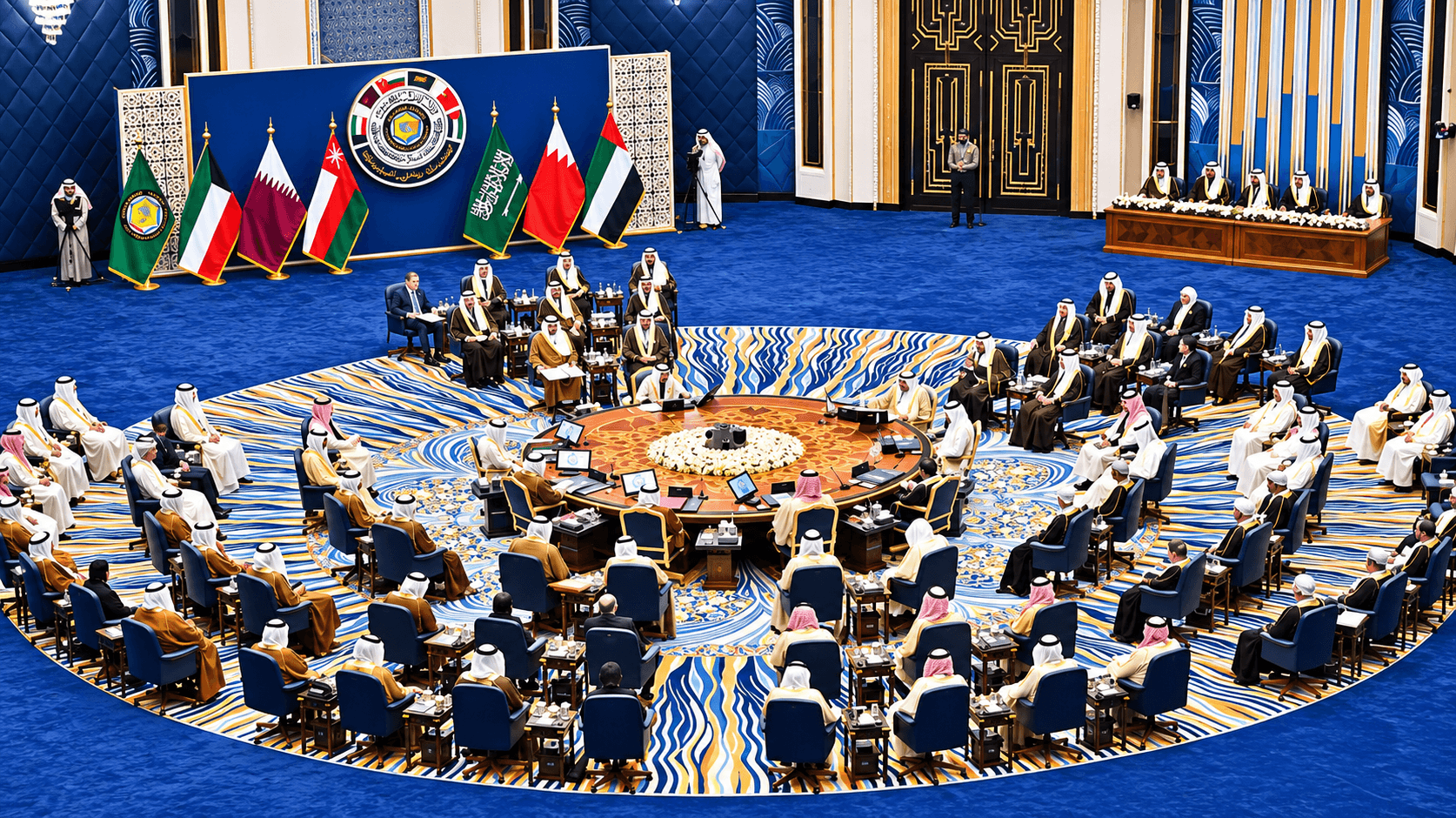
Qatar's mediation is part of a broader regional push to prevent further escalation, with Pakistan and Saudi Arabia also involved in diplomatic efforts.
On October 26, Saudi Defence Minister Prince Khalid bin Salman, Pakistan's Army Chief Field Marshal Asim Munir and Türkiye's intelligence chief Ibrahim Kalin held discussions with senior Iranian officials in Tehran.
The meeting was part of wider efforts to maintain communication with Iran and encourage a diplomatic solution.
Qatar has also described its engagement with Tehran as part of continuing consultations with Pakistan and other regional partners.
Pakistan's diplomatic and security relationships across the region have made it an important participant in these discussions. Saudi Arabia's involvement, meanwhile, adds wider Gulf support to the push for de-escalation.
On October 27, Qatar's Foreign Ministry said Doha and Islamabad were working alongside Saudi Arabia and the Makkah Defence Alliance to reduce tensions and support efforts to end the regional crisis.
The ministry also called for a regional security framework built on respect for national sovereignty and a commitment to non-aggression.
The growing involvement of regional governments reflects a shared concern that further conflict could have serious consequences for the entire Gulf region.
QATAR CALLS ON IRAN TO SHOW GOODWILL AND RESPECT REGIONAL SECURITY
While continuing to engage with Iran diplomatically, Qatar has also made clear that meaningful progress will require practical steps to improve regional security.
During a Foreign Ministry briefing on October 27, Ibrahim bin Sultan Al Hashimi, Director of Media and Communication at Qatar's Ministry of Foreign Affairs, urged Iran to demonstrate goodwill by ending threats against neighbouring countries and ensuring freedom of navigation through the Strait of Hormuz.
He stressed that positive statements must be followed by concrete action.
Qatar has also called for a regional security framework that respects the sovereignty of every country and prevents attacks against neighbouring states.
This position reflects the delicate balance Doha is trying to maintain. Qatar wants to preserve its diplomatic relationship with Iran while also protecting its national security and the wider stability of the Gulf.
For Doha, any lasting agreement must provide meaningful assurances that all countries in the region can remain secure.
WASHINGTON AND TEHRAN REMAIN DIVIDED OVER A POSSIBLE AGREEMENT
Despite the ongoing diplomatic activity, significant differences between Iran and the United States remain unresolved.
Washington has maintained pressure on Tehran through restrictions affecting Iranian ports and oil exports. Iran, on the other hand, is seeking sanctions relief, the release of frozen assets and changes to the US military presence in the region.
The two countries also continue to disagree over Iran's nuclear programme and broader regional security concerns.
Marco Rubio has confirmed that communication with Tehran is continuing, but no formal agreement or timetable for a settlement has been announced.
President Trump has repeatedly indicated a preference for diplomacy while making clear that military options remain available.
At the same time, Iran's Supreme Leader Mojtaba Khamenei has instructed the country's armed forces to remain prepared for possible attacks. Iranian military officials have also announced readiness measures.
These developments show just how fragile the diplomatic process remains. Even as Qatar and other regional partners work to narrow differences, the possibility of renewed military confrontation cannot be ruled out.
GLOBAL SHIPPING AND ENERGY MARKETS WAIT FOR A BREAKTHROUGH
The outcome of these negotiations could have consequences well beyond the Middle East.
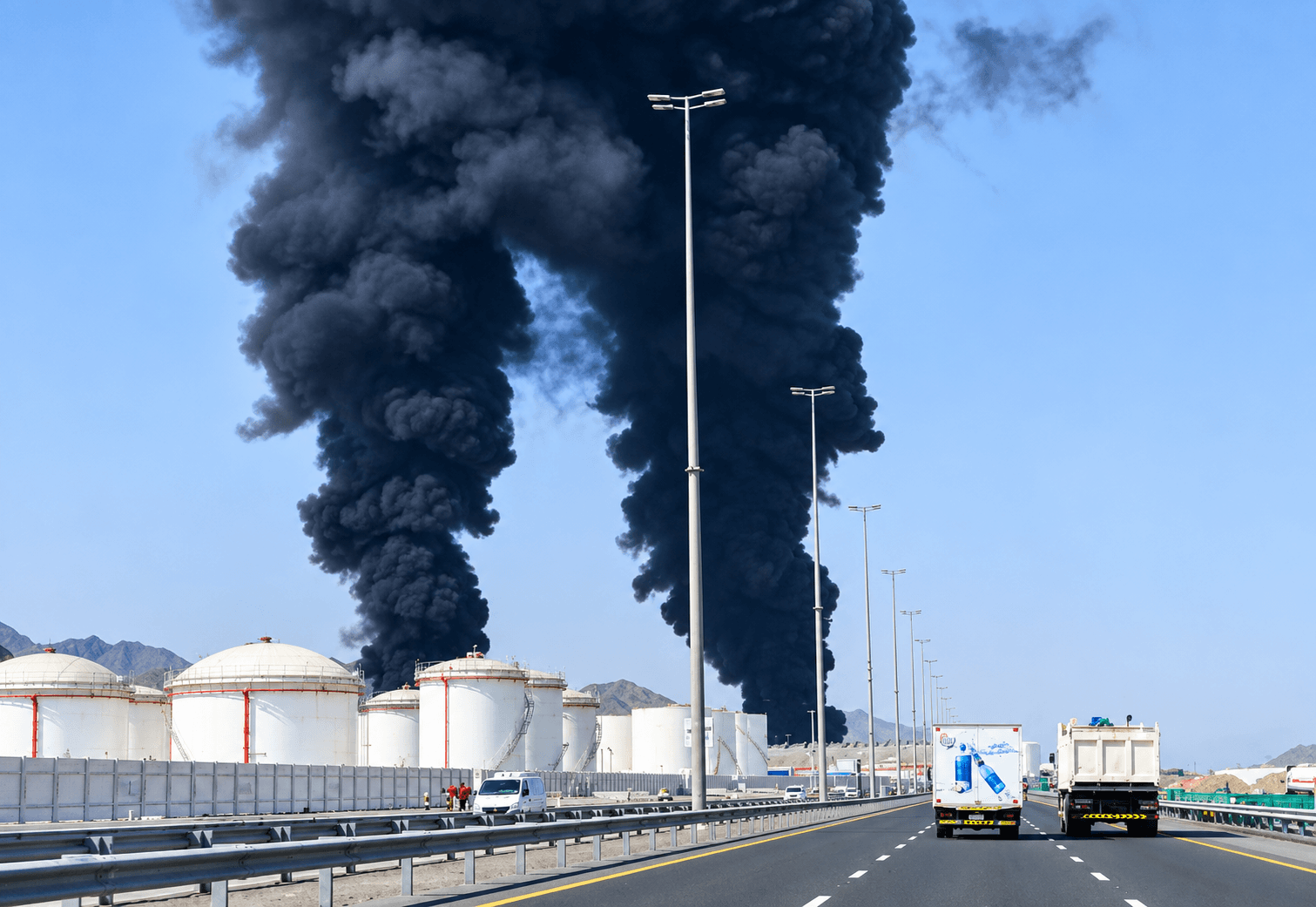
The Strait of Hormuz is a major route for international oil and liquefied natural gas shipments. Continued restrictions could disrupt energy exports, push up transportation costs and create uncertainty for countries that rely heavily on supplies from the Gulf.
Shipping companies are also facing difficult decisions as they assess security threats, higher insurance premiums and the possibility of alternative routes.
For major energy-importing countries such as India, prolonged disruption could mean higher import bills and greater uncertainty over energy supplies.
A successful agreement to restore normal navigation would therefore bring economic benefits to countries far beyond those directly involved in the conflict.
Still, reopening the Strait alone would not be enough to resolve the wider crisis. A lasting settlement would also need to address military activity, regional security guarantees and the deeper political disagreements between Washington and Tehran.
KEY RISKS THAT COULD DERAIL THE PEACE PROCESS
Diplomatic deadlock: Disagreements over sanctions, the US blockade and regional security arrangements could prevent further progress.
Renewed military action: Additional US or Israeli strikes against Iran could derail negotiations and trigger retaliation.
Continued Strait of Hormuz disruption: Restrictions on maritime traffic could affect oil exports, LNG shipments and international shipping schedules.
Competing peace proposals: Differences between Qatar's confidence-building initiative and Iran's demands could make it harder to reach common ground.
Regional security concerns: Gulf countries may seek stronger guarantees against missile, drone and other attacks.
Economic pressure: Higher energy prices, freight charges and maritime insurance premiums could create further uncertainty in global markets.
WHAT TO WATCH NEXT
Qatar's next diplomatic move: Whether Doha arranges further meetings or introduces a revised proposal to bring Washington and Tehran closer.
Iran's response: Whether Tehran accepts parts of the confidence-building initiative or adjusts its existing demands.
Washington's position: Whether the Trump administration formally responds to Iran's latest proposals.
Strait of Hormuz: Whether the discussions produce a clear timetable and security arrangements for restoring normal shipping.
Pakistan and Saudi Arabia: Whether both countries increase diplomatic engagement with Iranian officials.
Developments after the US midterms: Whether the November 3 elections influence Washington's approach to negotiations or its consideration of further military action.
FACT CHECK METER
Editorial Confidence: 97%
Strongly supported
Based on reported diplomatic developments, official Qatari statements and coverage from international news organisations.
Confirmed details
Iranian negotiators and Qatari mediators held discussions in Doha over three consecutive days, according to Reuters.
Qatari representatives also met Iranian officials in Tehran.
Qatar has publicly confirmed its continuing mediation efforts and coordination with Pakistan and other regional partners.
Iran has discussed proposals linking the reopening of the Strait of Hormuz to concessions from Washington.
US Secretary of State Marco Rubio confirmed that communication with Iran was continuing.
Important distinctions
Qatar's seven-day confidence-building proposal and Iran's separate seven-day initiative are not the same plan.
Iran's proposed two-day timetable for reopening the Strait remains conditional and has not been agreed upon.
The current discussions are taking place through mediation channels. They do not confirm that formal direct negotiations between Washington and Tehran have resumed.
No comprehensive peace agreement or confirmed reopening of the Strait of Hormuz had been announced as of November 2, 2026.
AWX VERDICT
Qatar's mediation efforts are gaining momentum, supported by continued discussions in Doha and Tehran and involvement from regional partners. However, major disagreements over sanctions, maritime access, military deployments and the wider terms of a settlement remain unresolved.
The diplomatic process offers a meaningful opportunity to reduce tensions, but a lasting breakthrough is far from certain.
The percentage reflects AWX's editorial confidence in the factual reporting presented in this article. It is not a statistical probability or an official rating.
THE AWX BOTTOM LINE
Qatar is strengthening its role as one of the key diplomatic intermediaries in efforts to ease tensions between Iran and the United States.
Three consecutive days of discussions in Doha, continued engagement with Tehran and coordination with Pakistan and Saudi Arabia show that regional diplomacy remains active despite growing security concerns.
The reopening of the Strait of Hormuz has become a central part of the negotiations, connecting maritime security with the wider effort to end the conflict. An agreement could help restore confidence in global shipping, ease pressure on energy markets and reduce the risk of another military confrontation.
But serious obstacles remain. Washington and Tehran continue to disagree over sanctions, maritime restrictions and regional security arrangements.
For Qatar, the challenge now is to turn ongoing diplomatic discussions into concrete commitments. The coming days could determine whether the current momentum leads to a meaningful settlement or whether tensions rise once again.
ATTLAS NEWS | AWX WORLD NEWS
Real Stories. Lasting Impact.

Comments
No comments yet.