

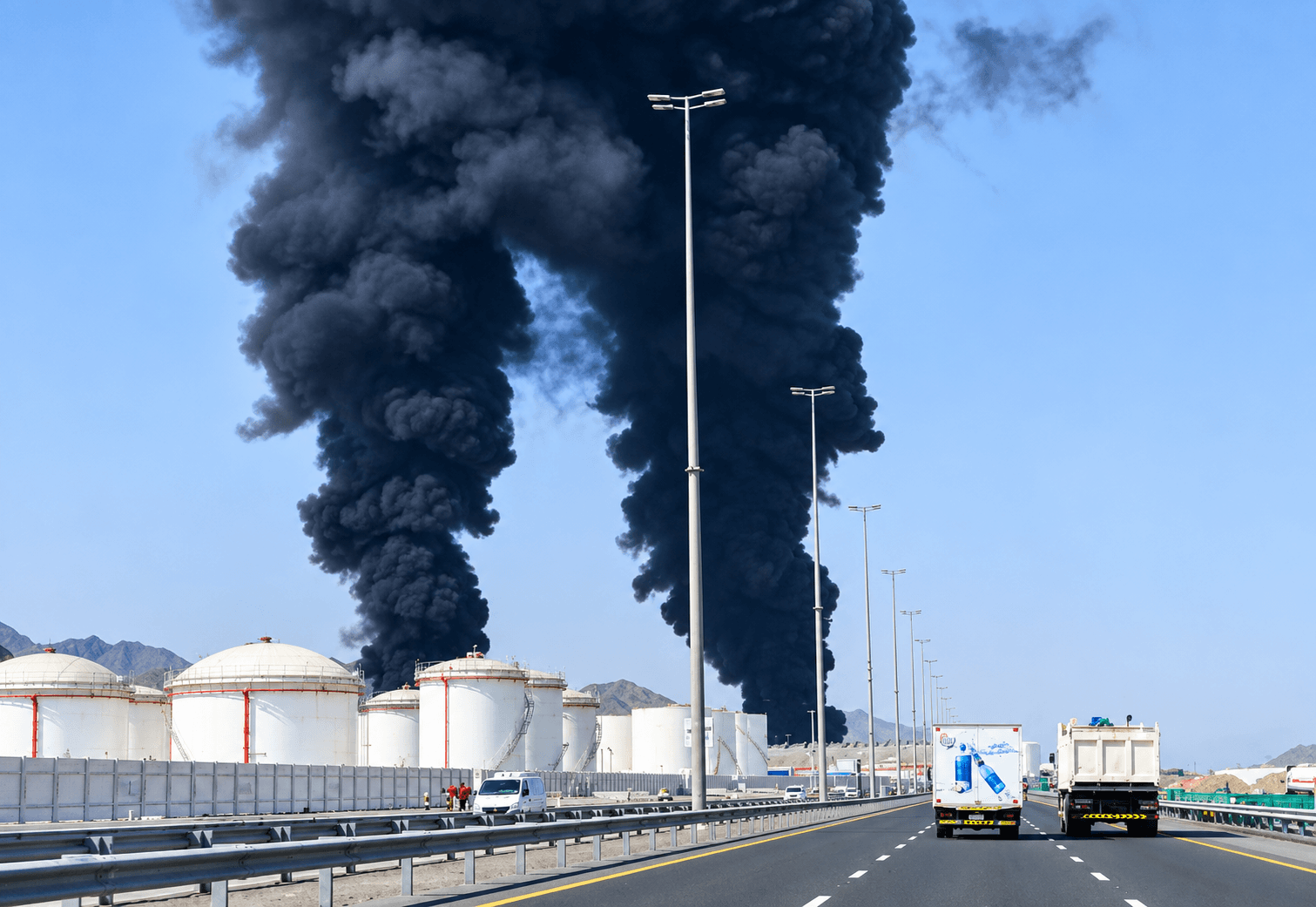
The United Arab Emirates is stepping up its calls for diplomacy as concerns grow over a possible return to military confrontation involving Iran, the United States and other regional powers.
Speaking at the 22nd IISS Manama Dialogue in Bahrain on November 1, Anwar Gargash, diplomatic adviser to UAE President Sheikh Mohamed bin Zayed Al Nahyan, said the UAE had no interest in another round of conflict. He expressed hope that ongoing diplomatic efforts would lead to a breakthrough and help prevent further escalation.
At the same time, Gargash made it clear that the UAE was not taking the security situation lightly. The country, he said, remained prepared to defend its people, sovereignty and national interests if tensions turned into renewed hostilities.
His remarks reflected Abu Dhabi's current position: give diplomacy every opportunity to succeed, but remain ready for the possibility that negotiations may fail.
The comments come as Qatar continues its mediation efforts involving Iran and the United States. With maritime security, the Strait of Hormuz and the wider regional balance at stake, the outcome of these diplomatic initiatives could have far-reaching consequences.
UAE WARNS AGAINST A RETURN TO MILITARY CONFRONTATION
Addressing delegates at the Manama Dialogue, Gargash warned that another round of fighting would benefit neither Iran nor the Gulf states.
He stressed that the crisis needed political judgement, restraint and sustained diplomatic engagement rather than another escalation of military action.
Abu Dhabi believes that further fighting would make an already complicated situation even harder to resolve, while creating additional security and economic risks for the entire region.
Gargash also underlined that the UAE was prepared to protect its citizens, residents, infrastructure and economic achievements if the situation deteriorated.
The message was straightforward: the UAE wants a peaceful resolution, but it will not leave its national security to chance.
His comments also reflect wider concerns among Gulf governments that another confrontation could undermine years of economic development and regional cooperation.
QATAR'S MEDIATION OFFERS A POSSIBLE WAY FORWARD
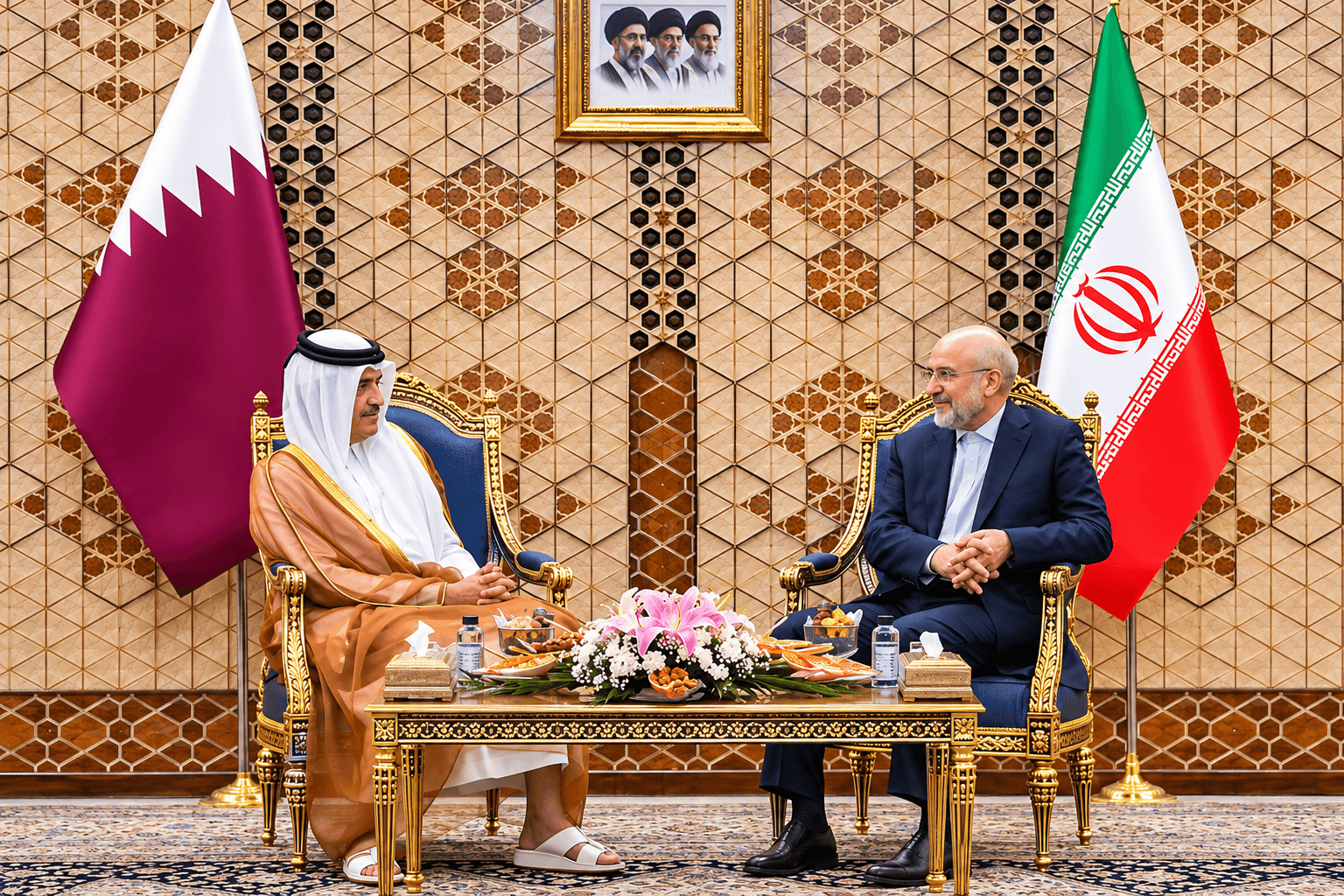
Qatar has become an important diplomatic intermediary as efforts continue to prevent another confrontation between Washington and Tehran.
According to Associated Press reporting, Iranian representatives were in Qatar discussing a proposal that could help reopen the Strait of Hormuz. Iranian Foreign Minister Abbas Araghchi indicated that Tehran was waiting for Washington's response to questions raised by Iran.
However, direct negotiations between the two governments had not resumed at that stage.
Gargash welcomed the possibility of progress through Qatar-led mediation, expressing hope that diplomatic engagement could prevent another round of fighting.
The discussions are taking place against a complicated backdrop involving sanctions, restrictions on Iranian ports, military tensions and disagreements over access to international shipping routes.
For now, there is no confirmed comprehensive agreement between Iran and the United States. The mediation effort represents an attempt to reopen diplomatic channels, rather than evidence that the crisis has been resolved.
For Gulf countries, the immediate priority is to prevent the dispute from triggering another period of instability across the region.
STRAIT OF HORMUZ REMAINS AT THE CENTRE OF THE CRISIS
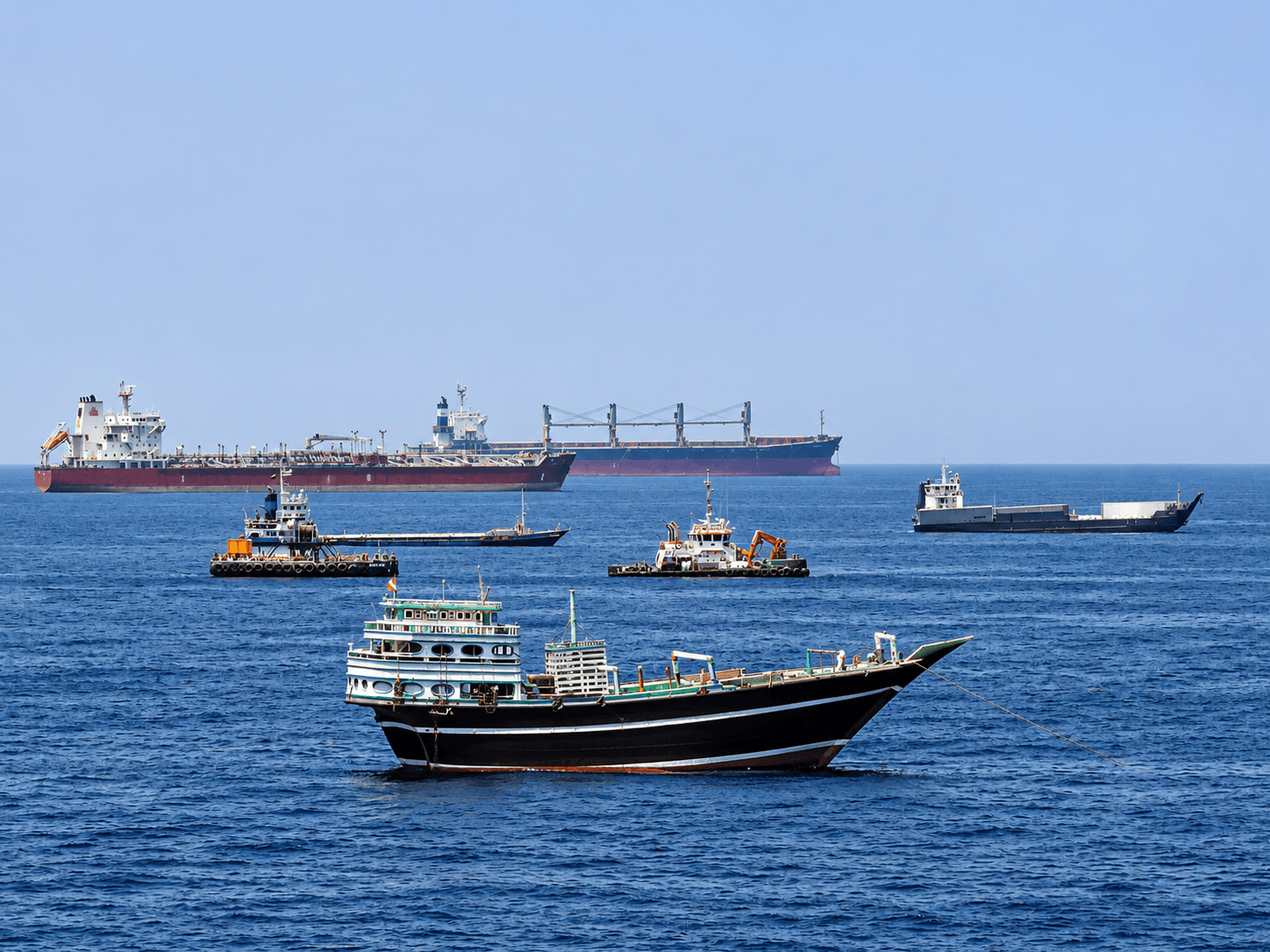
Few issues are as important to the current confrontation as the Strait of Hormuz.
The narrow waterway is one of the world's most important routes for oil and gas shipments. Any prolonged disruption could push up energy prices, increase shipping and insurance costs, and create uncertainty for international trade.
Gargash stressed that restoring the movement of energy and commercial shipping through the Strait was a major priority for Gulf countries. He also warned against allowing regional economies to carry the long-term burden of a crisis they did not create.
The situation has become increasingly complicated, with Iran maintaining restrictions on maritime movement and the United States imposing countermeasures affecting Iranian ports and exports.
Iran has reportedly suggested reopening the waterway under certain conditions, including changes to the US blockade. However, the two sides have yet to agree on the terms of a possible arrangement.
The impact would extend well beyond the Middle East. Countries that depend heavily on imported energy and liquefied natural gas could face higher costs and supply uncertainty if shipping cannot return to normal.
For the UAE, keeping the Strait open is about more than protecting trade. It is closely linked to national security, regional stability and the wider global economy.
GULF STATES FACE QUESTIONS OVER COLLECTIVE SECURITY
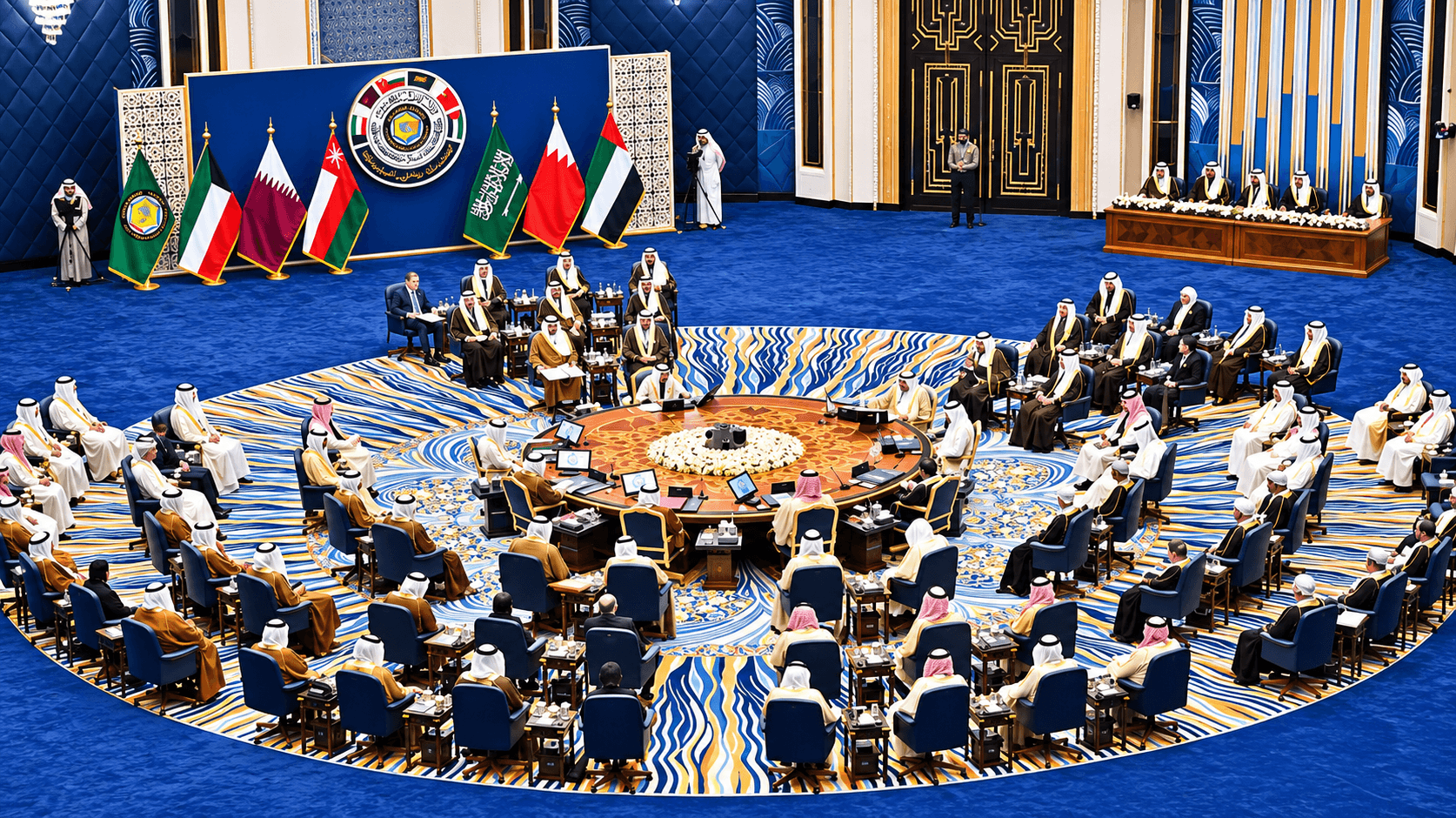
Another important issue raised by Gargash was the ability of Gulf countries to respond together to major security threats.
He acknowledged that individual Gulf states had demonstrated their ability to defend themselves, whether independently or through bilateral security arrangements. However, he also pointed to shortcomings in the Gulf Cooperation Council's collective response to the crisis.
The remarks highlighted a growing concern: despite their shared security interests, Gulf countries still need stronger coordination when facing major regional threats.
Gargash called for renewed efforts to rebuild confidence in regional security cooperation.
This could involve better intelligence sharing, stronger joint defence arrangements and more coordinated responses to missile and drone threats.
The issue is particularly important because the conflict has placed pressure on several Gulf countries, raising concerns about the safety of airports, ports, energy facilities and other critical infrastructure.
The UAE's position suggests that national defence capabilities remain essential, but stronger cooperation between neighbouring countries will also be needed to deal with future security challenges.
BAHRAIN PROPOSES A REGIONAL SECURITY FRAMEWORK THAT INCLUDES IRAN
The Manama Dialogue also brought attention to the possibility of a broader regional security arrangement.
Bahrain's Foreign Minister Abdullatif bin Rashid Al Zayani called for a framework built around respect for national sovereignty, non-interference, freedom of navigation and a rejection of the threat or use of force.
He said Bahrain remained open to a regional security arrangement that included Iran, provided all participating countries respected these basic principles.
The proposal reflects an effort to develop a more inclusive regional security system, rather than relying entirely on external powers to manage Gulf tensions.
Such an arrangement would require countries to establish common expectations on sovereignty, maritime security and military conduct.
However, reaching an agreement will not be easy. Long-standing disagreements over military activity, regional influence and security policies continue to create mistrust between Iran and several Gulf governments.
Both the UAE's push for diplomacy and Bahrain's proposal point to the same broader challenge: preventing the current crisis from becoming a recurring source of instability.
ANOTHER CONFRONTATION COULD SHAKE THE GLOBAL ECONOMY
The consequences of renewed fighting would not be limited to the countries directly involved.
The Gulf plays a major role in global energy supplies, international shipping and investment. Any further disruption could affect oil and gas prices, increase transportation costs and create uncertainty for businesses around the world.
The UAE would also face significant economic risks. Its economy is closely connected to international trade, aviation, logistics, tourism and financial services. Prolonged regional instability could affect investor confidence and commercial activity.
Shipping companies might be forced to reconsider their routes, while higher insurance premiums and delayed deliveries could add further pressure to global supply chains.
These risks help explain why Gulf governments are continuing to push for diplomacy, even as they prepare for possible security challenges.
For international markets, much will depend on whether mediation efforts can produce an arrangement that restores reliable shipping and reduces the risk of further military incidents.
RISKS AND KEY ISSUES TO WATCH
Renewed US-Iran confrontation: A breakdown in diplomatic efforts or fresh military strikes could trigger another cycle of escalation.
Strait of Hormuz disruption: Continued restrictions on maritime traffic could threaten energy supplies and international trade.
Security of Gulf infrastructure: Missile or drone attacks could put airports, ports, energy facilities and civilian infrastructure at risk.
Weak regional coordination: Differences among GCC members could make it harder to develop a unified response to future threats.
Diplomatic deadlock: Disagreements over sanctions, blockades, nuclear issues and maritime access could prevent a lasting settlement.
Economic uncertainty: Higher energy prices and shipping costs could affect businesses, investors and consumers worldwide.
WHAT TO WATCH NEXT
Qatar-led mediation: Whether discussions involving Iranian representatives produce a proposal acceptable to both Washington and Tehran.
UAE's diplomatic position: Any further statements from Anwar Gargash or the UAE Ministry of Foreign Affairs on regional de-escalation.
US-Iran negotiations: Whether direct or indirect talks resume and lead to practical steps to reduce tensions.
Strait of Hormuz: Whether the parties reach an arrangement that allows commercial shipping to operate safely and predictably.
GCC security cooperation: Whether Gulf governments move towards stronger joint defence and intelligence-sharing arrangements.
Regional military activity: Any new attacks, military deployments or security incidents that could undermine diplomatic efforts.
FACT CHECK METER
EDITORIAL CONFIDENCE: 97%
Status: Strongly supported — based on reported official remarks and corroborating media coverage.
Confirmed details
UAE presidential adviser Anwar Gargash addressed the Manama Dialogue on November 1, 2026.
Gargash said the UAE preferred a diplomatic and political solution and did not want another round of confrontation.
He also stressed that the UAE remained prepared to defend its people and national security if hostilities resumed.
Qatar-led mediation efforts involving Iran and the United States were continuing.
Bahrain called for a regional security framework based on sovereignty, freedom of navigation and the rejection of force.
Important distinctions
The UAE's support for diplomacy does not mean a peace agreement has been reached.
Qatar-led discussions do not confirm that direct US-Iran negotiations have resumed.
Bahrain's proposed regional security framework remains a diplomatic initiative, not an agreed arrangement between the GCC and Iran.
The timing and likelihood of another military confrontation remain uncertain.
AWX VERDICT
The UAE is pursuing diplomacy while preparing for the possibility of further escalation. Gargash's remarks at the Manama Dialogue highlight growing concerns about regional security and weaknesses in collective Gulf defence.
Whether mediation succeeds will depend largely on the willingness of Iran and the United States to find common ground on the issues driving the confrontation.
The percentage represents AWX editorial confidence in the factual reporting presented in this article. It is not a statistical probability or an official rating.
THE AWX BOTTOM LINE
The UAE is trying to prevent another war in the Gulf without leaving its security exposed. That balance was at the heart of Anwar Gargash's message at the Manama Dialogue.
Abu Dhabi wants diplomatic efforts to succeed, but it has made clear that protecting its people, sovereignty and economic stability remains non-negotiable.
Qatar's mediation offers a possible opening for de-escalation, while Bahrain's proposal for a regional security framework points to the need for stronger long-term cooperation.
Still, the biggest challenges remain unresolved. Until Washington and Tehran find a way to reduce tensions, the Strait of Hormuz and wider Gulf region are likely to remain under considerable pressure.
For now, the region is watching to see whether diplomacy can deliver results before another confrontation becomes a reality.
ATTLAS NEWS | AWX WORLD NEWS
Real Stories. Lasting Impact.

Comments
No comments yet.