

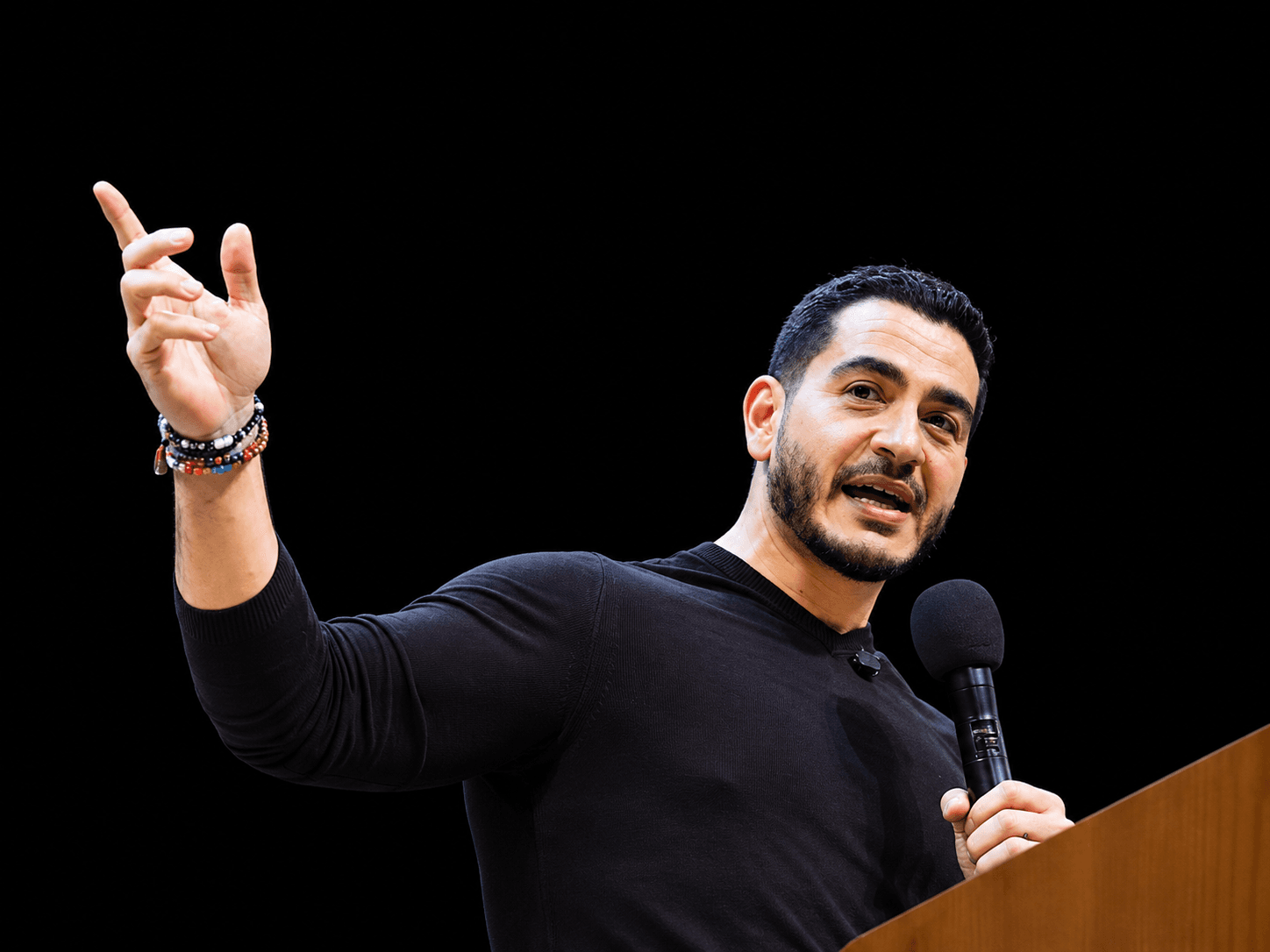
The US midterm campaign has been caught up in a growing political controversy after President Donald Trump stepped up his attacks on Abdul El-Sayed, the Democratic candidate running for Michigan's open Senate seat.
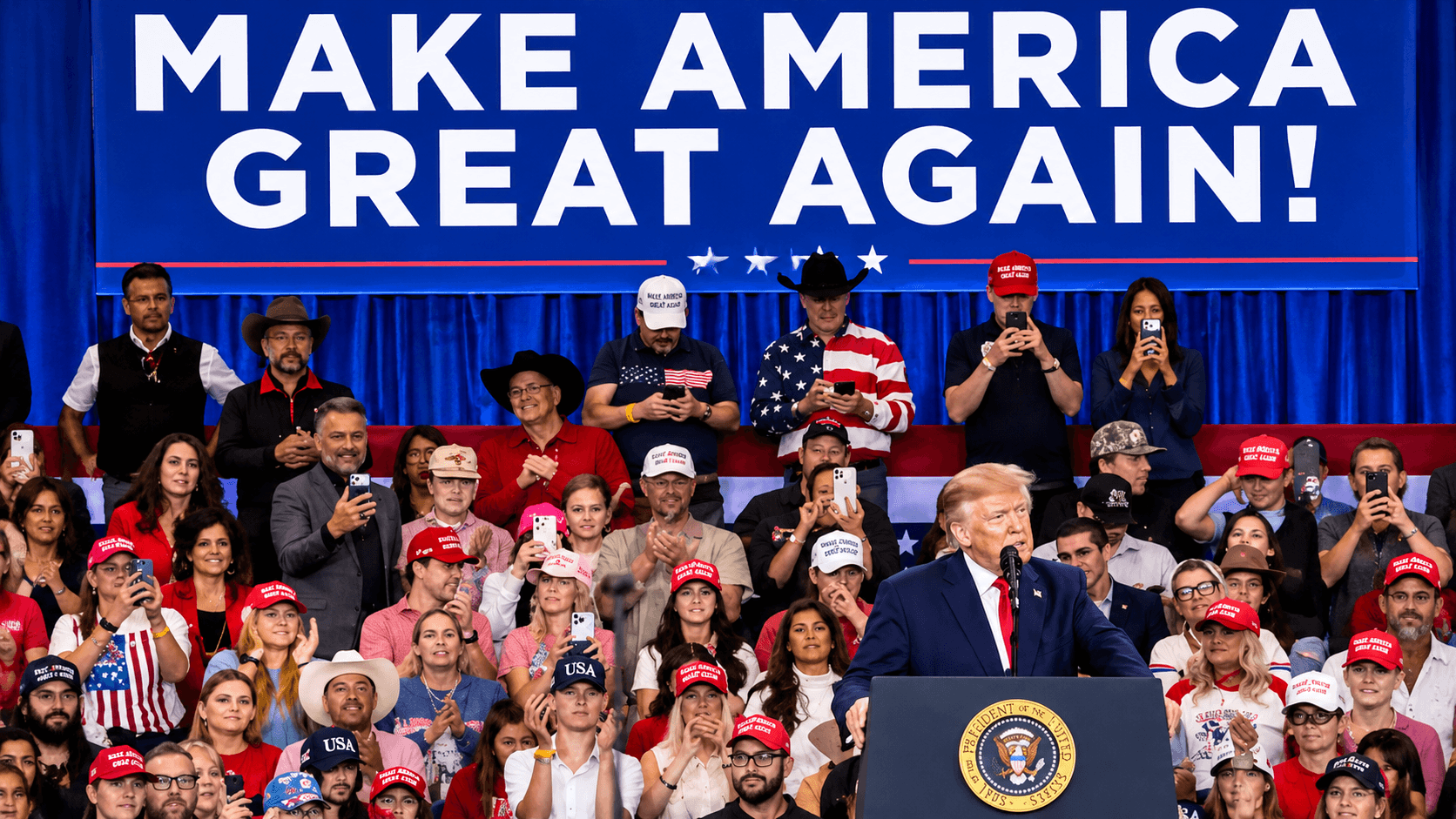
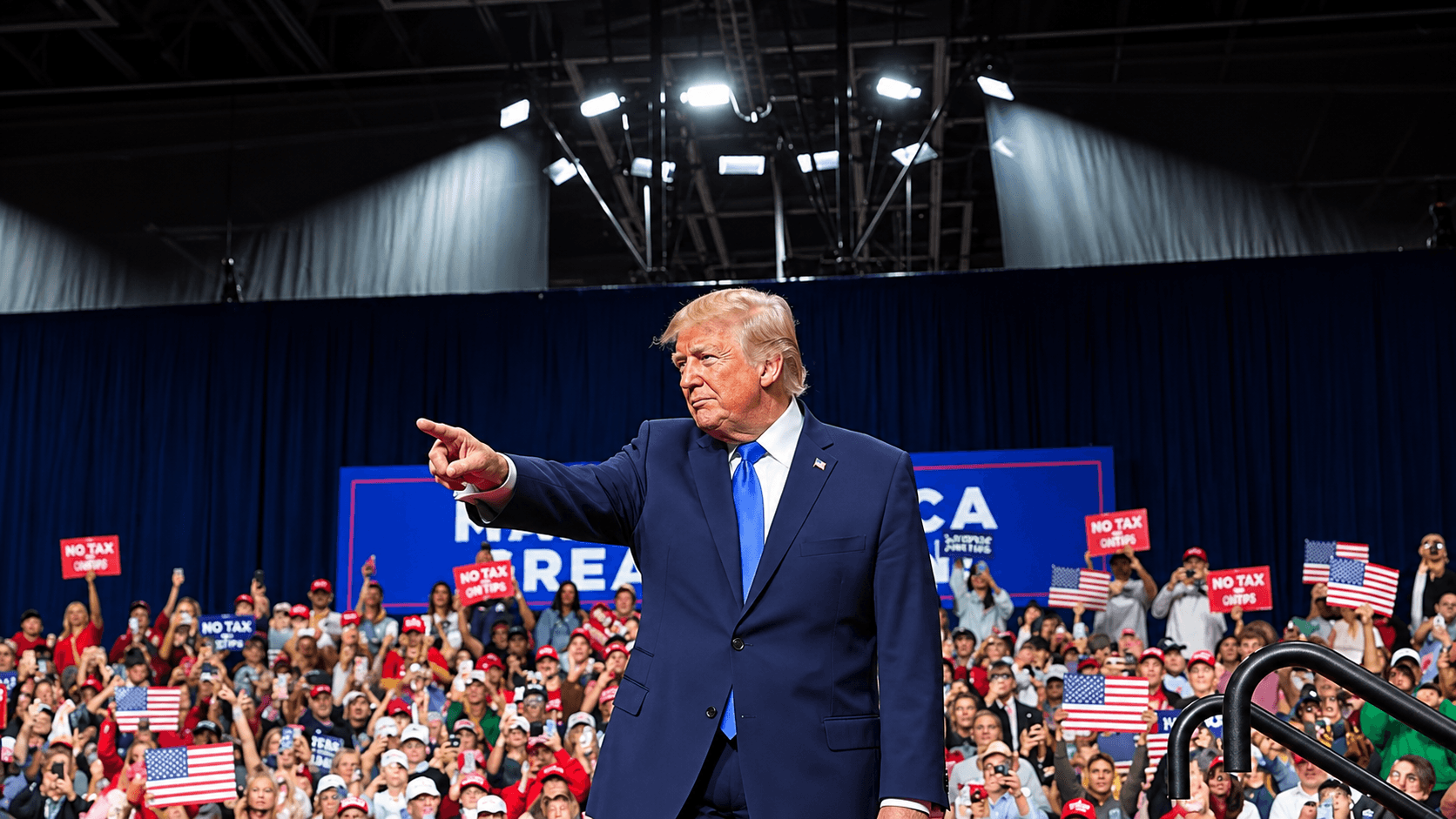
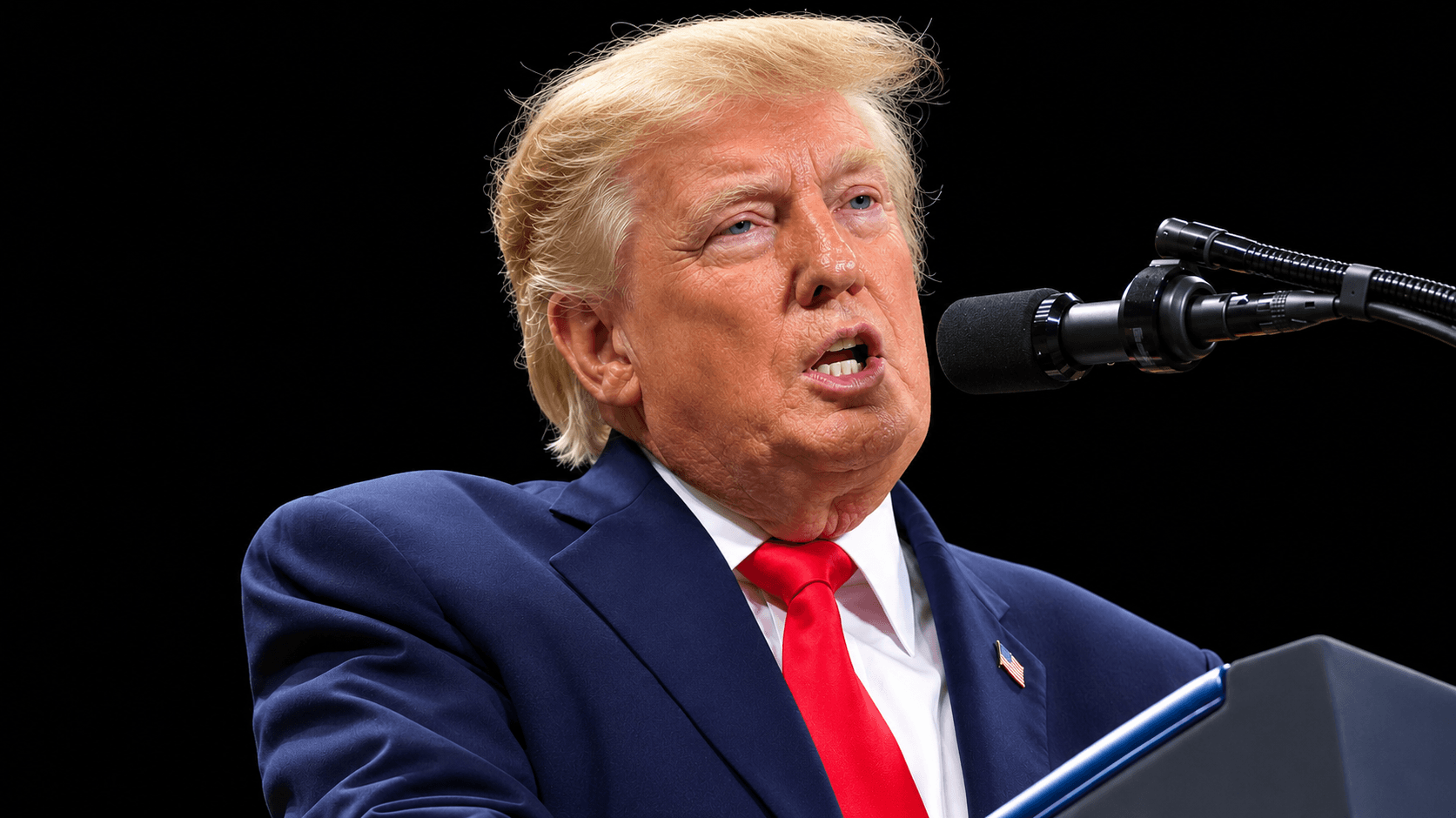
Speaking at a campaign rally in Port Huron on October 25, Trump called El-Sayed a "jihadist", questioned his loyalty to the United States and invoked the September 11, 2001, terrorist attacks while warning voters against sending him to the Senate.
The comments prompted strong reactions from civil rights organisations, Arab American community leaders and Democratic politicians. Critics accused Trump of using religious identity and national security fears to influence voters rather than focusing on the candidate's policies and political record.
El-Sayed, a former public health official who could become the first Muslim elected to the US Senate if successful, has firmly rejected the allegations. He has described questions about his loyalty as shameful and defended his right to practise his faith under the US Constitution.
The dispute has added further tension to Michigan's closely contested Senate race, which could play an important role in determining control of the upper chamber.
TRUMP ESCALATES ATTACKS AT MICHIGAN CAMPAIGN RALLY
Trump's remarks in Port Huron marked a sharp escalation in the Republican campaign against El-Sayed.
During the rally, the President labelled the Democratic candidate a "jihadist" and accused him of having links to the Muslim Brotherhood. He also referred to the September 11 attacks, drawing a comparison with passengers aboard United Flight 93 who fought back against the hijackers.
Trump urged Michigan voters to stop El-Sayed from entering the Senate, portraying his possible election as a national security concern.
He also claimed that El-Sayed would need to pass through a metal detector before entering the Senate chamber.
The rally was organised in support of Republican Senate candidate Mike Rogers and formed part of Trump's final effort to mobilise Republican voters before Election Day.
Trump also directed criticism at Democratic Representative Ilhan Omar, extending his remarks beyond Michigan's Senate contest.
His comments drew particular criticism because they appeared to associate El-Sayed's Muslim faith with terrorism without presenting evidence that the candidate had participated in or supported extremist activities.
EL-SAYED REJECTS ALLEGATIONS AND STANDS BY HIS AMERICAN IDENTITY
El-Sayed responded by rejecting attempts to portray his religion as a sign of disloyalty to the United States.
Speaking at a rally in Grand Rapids, he said he was proud to be an American and highlighted the Constitution's protection of religious freedom.
He also addressed Trump's repeated references to his full name, telling supporters that if he won the election, the President could simply call him "Senator".
El-Sayed's campaign has argued that Republicans are trying to shift attention away from everyday economic concerns, including rising fuel prices, healthcare expenses and the growing cost of groceries.
The Democratic candidate has repeatedly denied having any affiliation with the Muslim Brotherhood. He has also explained that he was raised by his father and stepmother after his parents separated when he was young.
His campaign maintains that the allegations are politically motivated and intended to damage his reputation among Michigan voters.
ARAB AMERICAN LEADERS CONDEMN TRUMP'S REMARKS
Trump's comments have drawn criticism from Arab American community leaders, including some who previously supported his political campaign.
Bishara Bahbah, who helped establish Arab Americans for Trump during the 2024 election campaign, strongly criticised the President's remarks. He said Trump had crossed a line and described the comments as racist and unacceptable.
Bahbah, whose organisation has since been renamed Arab Americans for Peace, warned that Arab and Muslim voters would remember the statements when deciding how to vote.
The reaction is particularly significant in Michigan, where Arab American communities, especially in Dearborn, have considerable political influence. These voters also played an important role in the 2024 presidential election.
The National Association for the Advancement of Colored People (NAACP) also condemned the rhetoric. Its president, Derrick Johnson, described the attacks surrounding Michigan's Senate race as racist and divisive.
The criticism has extended beyond Muslim and Arab American organisations, bringing renewed attention to religious discrimination and the use of national security allegations during election campaigns.
MUSLIM BROTHERHOOD ALLEGATIONS BECOME A CAMPAIGN FLASHPOINT
Much of the controversy has centred on Republican attempts to link El-Sayed to the Muslim Brotherhood, an Islamist movement with branches in several countries.
Republican candidate Mike Rogers has repeatedly questioned El-Sayed's associations, referring to past statements and family connections. One issue raised during the campaign involves a 2012 social media post by El-Sayed's half-sister discussing their mother's alleged involvement with the organisation.
However, El-Sayed was raised by his father and has denied any personal connection to the Muslim Brotherhood. Reporting by The Associated Press and Reuters has found no evidence establishing that he was a member of the organisation.
Rogers has also criticised El-Sayed's political positions, including his support for universal healthcare and other progressive policies. He argues that the Democrat's views fall outside the political mainstream.
El-Sayed's campaign has dismissed the allegations, accusing Republicans of using his religion and family background to distract voters from economic issues.
There is an important distinction between questioning a candidate's political positions and making allegations of extremist connections. The latter require credible evidence and should not be treated as established facts without it.
MICHIGAN SENATE RACE BECOMES A TEST OF POLITICAL STRATEGY
The controversy is unfolding in one of the most closely watched Senate contests of the 2026 midterm elections.
El-Sayed is challenging Republican Mike Rogers for the seat being vacated by Democratic Senator Gary Peters. The result could have a direct impact on the balance of power in the US Senate.
Reuters reported that independent political analysts had rated the contest a toss-up, with late-October polling averages showing El-Sayed holding a modest lead.
Republican campaign messaging has also appeared aimed at discouraging Black and Jewish voters who supported El-Sayed's primary opponent, Haley Stevens, from backing the Democratic nominee in the general election.
However, political strategists have warned that attacks centred on religion could backfire, potentially alienating independent voters and increasing opposition among Arab American and Muslim communities.
A Michigan State University poll cited by Reuters and Axios found that 38% of respondents were less likely to support a Muslim candidate, while 58% said a candidate's religion would make no difference to their voting decision.
The findings suggest that religious identity could influence some voters, although they do not establish how the controversy will ultimately affect the election result.
DEMOCRATIC LEADERS RALLY BEHIND EL-SAYED
Several prominent Democrats have come forward to defend El-Sayed and criticise the tone of the Republican campaign.
Former President Barack Obama campaigned in Michigan and argued that the attacks were intended to make El-Sayed appear less American because of his background and religious beliefs.
Senator Bernie Sanders also criticised the rhetoric, saying political leaders should concentrate on the economic pressures facing working families instead of encouraging religious hostility.
El-Sayed has continued campaigning alongside Democratic allies, keeping the focus on healthcare, affordable housing, income inequality and the rising cost of living.
The controversy has also exposed some of the divisions within the Democratic Party following its primary contest. Several supporters of Haley Stevens had reservations about El-Sayed's progressive positions, leaving party leaders with the challenge of bringing different groups of voters together before Election Day.
Whether Trump's attacks will strengthen Republican support or trigger a wider backlash remains an important question as the campaign enters its final hours.
RISKS AND KEY ISSUES TO WATCH
Religious discrimination concerns: The controversy could intensify the national debate over Islamophobia and the treatment of Muslim candidates in American politics.
Michigan's Arab American vote: Reactions in Dearborn and other Arab American communities could prove important in determining the Senate result.
Republican campaign strategy: Attacks on El-Sayed may energise parts of the Republican base but could also alienate independent voters and minority communities.
Evidence behind the allegations: Claims connecting El-Sayed to extremist organisations remain unsubstantiated in the reporting reviewed.
Democratic unity: Party leaders face the challenge of bringing together voters who supported different candidates during the primary.
Control of the Senate: Michigan's result could influence the balance of political power in Washington.
WHAT TO WATCH NEXT
Election results: Michigan's Senate outcome will provide the clearest indication of whether the controversy influenced voter behaviour.
Community response: Arab American, Muslim, Black and independent voters will be among the groups to watch closely.
Further candidate statements: Additional comments from Trump, Rogers and El-Sayed could keep the controversy in the national spotlight.
Civil rights response: Further statements from advocacy organisations could increase pressure on Republican leadership.
Post-election consequences: The campaign could shape future discussions about religious representation, discrimination and political messaging in American elections.
FACT CHECK METER
Editorial confidence: 98%
Strongly supported — AP, Reuters and other reporting
Confirmed details
Trump made the remarks at a Michigan campaign rally on October 25.
He called El-Sayed a jihadist and invoked the September 11 attacks.
El-Sayed rejected allegations of extremist affiliations and defended his American identity.
Arab American advocates and the NAACP criticised Trump's rhetoric.
Late-October reporting described Michigan's Senate contest as a toss-up.
Important distinctions
The sources reviewed did not establish that El-Sayed was a member of the Muslim Brotherhood.
Allegations made by political opponents should not be presented as proven facts.
Polling figures do not determine the final election outcome.
Criticism of a candidate's policies should be distinguished from attacks based on religious identity.
AWX VERDICT
Trump's remarks have transformed Michigan's Senate contest into a broader debate about religious identity, political representation and the limits of campaign rhetoric.
The backlash has been significant, particularly among Arab American advocates and civil rights organisations. However, whether the controversy will translate into a measurable shift in voter support remains uncertain.
THE AWX BOTTOM LINE
The controversy surrounding Abdul El-Sayed has emerged as one of the most contentious issues of the 2026 US midterm campaign.
Trump's attacks have placed the Republican campaign strategy in Michigan under greater scrutiny, while criticism from Arab American advocates and civil rights leaders has raised serious concerns about the use of religious identity in American politics.
El-Sayed has rejected the allegations and continued to focus on economic issues, healthcare and constitutional protections. Meanwhile, Republican candidate Mike Rogers has maintained his criticism of the Democrat's political positions and alleged associations.
With control of the Senate potentially at stake, Michigan's voters face a decision that goes beyond the two candidates. The result could also offer insight into how religious identity, political messaging and economic concerns shape the direction of American electoral politics.
ATTLAS NEWS | AWX WORLD NEWS
Real Stories. Lasting Impact.
Comments
No comments yet.