

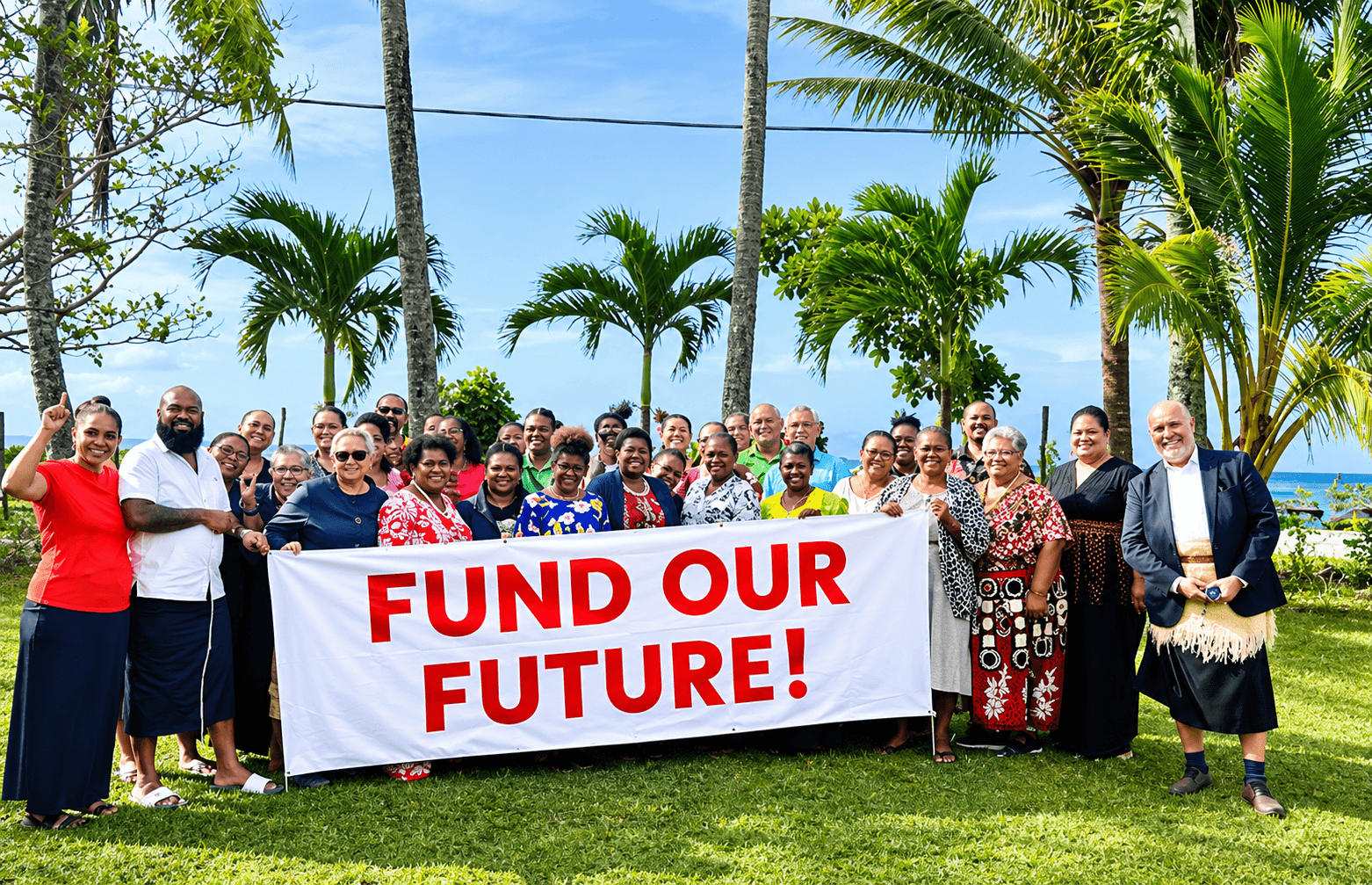
The debate over climate finance is gaining momentum ahead of the United Nations Climate Change Conference, COP31, in Antalya, Türkiye. Developing nations want wealthier countries to provide more financial support as the effects of climate change become increasingly difficult to manage.
Countries across Africa, Asia, Latin America and the Pacific say they are bearing a disproportionate share of the damage, despite contributing relatively little to historical greenhouse gas emissions. Rising sea levels, floods, droughts, extreme heat and coastal erosion are putting growing pressure on economies that often lack the resources to respond effectively.
The latest figures from the UN highlight the scale of the problem. Its 2026 Adaptation Gap Report estimates that developing countries will need around $305 billion annually by 2035 to adapt to climate change. However, public adaptation finance provided by developed countries reached just $28.2 billion in 2024.
The widening gap has strengthened calls for a more reliable international funding system. Developing nations say the priority should not simply be announcing new financial pledges, but ensuring that the money actually reaches vulnerable communities and supports projects on the ground.
CLIMATE FINANCE GAP WIDENS AS DEVELOPING COUNTRIES SEEK SUPPORT
The difference between available funding and the amount needed to prepare for climate change remains substantial.
Developing economies need investment in flood protection, water management, agriculture, resilient transport systems and disaster preparedness. Many also need financial assistance to expand renewable energy and gradually reduce their dependence on fossil fuels.
According to the UN's latest assessment, public adaptation finance from developed countries increased by only $1 billion between 2023 and 2024, reaching $28.2 billion. That remains far below the estimated annual requirement of $305 billion by 2035.
The report warns that even meeting existing international commitments will not be enough to close the funding gap.
At COP29, countries agreed to a climate finance goal of at least $300 billion annually by 2035 for developing nations. They also called for total climate finance from all sources to increase to $1.3 trillion annually.
However, developing countries continue to question whether these targets will translate into sufficient and accessible funding, particularly for communities facing the most immediate climate risks.
COP31 SET TO BECOME A MAJOR FINANCIAL BATTLEGROUND
Climate finance is expected to feature prominently at COP31, which will take place in Antalya from November 9 to 20.
More than 190 countries are expected to take part in discussions covering climate adaptation, emissions reductions, renewable energy investment and the transition away from fossil fuels. Türkiye will host and preside over the conference, while Australia will lead the negotiations in cooperation with Pacific Island countries.
Developing nations want wealthier countries to strengthen their public financial contributions under existing commitments in the Paris Agreement. They are also seeking clearer arrangements on how funding responsibilities will be divided and how promised money will reach countries that need it.
Developed countries are expected to place greater emphasis on improving access to existing funds, attracting private-sector investment and encouraging contributions from a wider group of countries.
These competing positions could make negotiations difficult, particularly if governments fail to agree on the scale of public funding and how financial assistance should be delivered.
AFRICAN NATIONS PUSH FOR A CLEAR ADAPTATION FINANCE COMMITMENT
African countries are seeking to make adaptation finance a central issue at COP31 rather than allowing it to remain part of broader climate discussions.
Ghana, which chairs the African Group of Negotiators in 2026, has called for dedicated negotiating space to address the goal of tripling adaptation finance, the relationship between trade and climate change, and future funding arrangements for the Green Climate Fund.
The request follows disagreements at the June 2026 climate negotiations in Bonn, where governments struggled to reach an agreement on how to move forward with adaptation finance targets.
At COP30, countries agreed to at least triple adaptation finance for developing nations by 2035. However, several important questions remain unanswered, including the baseline for calculating the increase, the precise funding amount, which countries should contribute and how the money will be distributed.
The Least Developed Countries group has called for adaptation funding to reach $120 billion annually by 2030, bringing forward the wider 2035 timeline. The proposal reflects growing frustration among vulnerable economies that cannot afford to wait another decade for adequate support.
For many African countries, adaptation is closely tied to everyday economic concerns, including food production, access to clean water, infrastructure and financial stability. Without affordable funding, governments could struggle to protect communities from increasingly severe weather events.
PACIFIC ISLAND NATIONS WARN OF RISING CLIMATE RISKS
Pacific Island nations are also pressing for stronger international support as rising sea levels, coastal erosion and extreme weather threaten their communities and infrastructure.
For countries such as Fiji and other low-lying island states, climate change is already affecting homes, drinking water supplies, agriculture and transport networks. In some areas, the long-term security of coastal settlements is becoming an increasingly serious concern.
Ahead of COP31, Pacific governments are expected to push for more accessible funding for climate adaptation, disaster preparedness and resilient infrastructure.
Fiji's Prime Minister Sitiveni Rabuka said on November 6 that his government had been preparing for worsening drought conditions as water shortages affected communities. The situation highlights how climate-related pressures can quickly disrupt daily life and place additional strain on small island economies.
Pacific nations argue that climate funding must be predictable and easier to access. They also want financial support that does not force vulnerable countries to take on unsustainable levels of debt.
DEBT AND HIGH BORROWING COSTS COMPLICATE CLIMATE INVESTMENT
High borrowing costs are creating another major obstacle for developing countries trying to finance climate projects.
Renewable energy facilities, flood protection systems and climate-resilient transport infrastructure require substantial investment. However, countries with heavy debt burdens and weaker credit ratings often face much higher borrowing costs than wealthier economies.
UN Special Adviser on Climate Action and Just Transition Selwin Hart has highlighted the need for financing arrangements that do not add to the debt burdens of vulnerable nations. He has also raised concerns about the relatively small share of global clean energy investment reaching developing economies outside China.
This has brought the question of grants versus loans into sharper focus.
Developing countries generally favour grants and concessional financing for adaptation projects, particularly those that do not generate direct financial returns. They argue that relying too heavily on commercial loans could leave governments paying additional interest while trying to recover from climate-related damage.
The challenge for international institutions will be to expand funding without creating further financial pressure for countries already struggling with public debt.
GREEN CLIMATE FUND FACES PRESSURE TO DELIVER MORE SUPPORT
The Green Climate Fund (GCF), established under the UN climate framework, remains one of the main sources of international support for climate action in developing countries.
However, African negotiators want a fresh assessment of the financial resources vulnerable nations actually need. They argue that the funding requirements of developing economies have not been adequately assessed through the process agreed at COP19 in 2013.
The issue is becoming particularly important as the Green Climate Fund prepares for its next fundraising cycle, covering 2028–2031.
Ghana's proposal seeks to ensure that future fundraising reflects the growing cost of climate adaptation and the financial realities facing developing countries.
The fund will play an important role in supporting projects involving renewable energy, climate-resilient agriculture, disaster preparedness and ecosystem protection.
However, concerns over potential donor budget cuts and competing demands on international development funding could make it harder to secure the additional resources required.
CLIMATE FINANCE NEGOTIATIONS COULD SHAPE THE FUTURE OF GLOBAL COOPERATION
Climate finance has become one of the most difficult issues in international climate diplomacy because it touches on questions of historical responsibility, fairness and economic capacity.
Developing countries argue that wealthy industrialised nations should take greater financial responsibility because of their historical contribution to greenhouse gas emissions and their stronger ability to fund climate action.
Wealthier countries, meanwhile, are increasingly calling for broader international participation, greater private-sector investment and reforms to make existing financing mechanisms more effective.
These differences are likely to influence discussions on the Paris Agreement, adaptation targets and the proposed just transition mechanism at COP31.
The outcome could determine whether international climate finance becomes more accessible to vulnerable economies or continues to be held back by disagreements over national responsibilities and funding priorities.
RISKS AND KEY ISSUES TO WATCH
Funding shortfall: The gap between available adaptation finance and the actual needs of developing countries could leave millions of people exposed to worsening climate impacts.
Unfulfilled financial commitments: Delays in delivering previously announced funding could further weaken trust between developed and developing nations.
Debt pressure: Heavy reliance on commercial loans could increase financial stress for countries already dealing with high public debt.
Unequal access to finance: Complicated application procedures and expensive borrowing could prevent poorer nations from accessing available climate resources.
Donor disagreements: Differences over financial responsibilities and the role of private investment could slow progress at COP31.
Growing climate vulnerability: Insufficient investment in water security, agriculture, infrastructure and disaster preparedness could lead to greater economic and humanitarian losses.
WHAT TO WATCH NEXT
COP31 negotiations: Whether governments agree to stronger financial commitments for developing economies.
Adaptation funding target: Whether countries establish a clear financial target and timeline for increasing adaptation support.
African negotiating position: Whether the African Group secures dedicated discussions on adaptation finance and Green Climate Fund requirements.
Green Climate Fund contributions: Whether donor countries pledge additional resources for the fund's 2028–2031 financing cycle.
Affordable climate finance: Whether international institutions expand grants and concessional financing to avoid adding to developing countries' debt burdens.
Just transition mechanism: Whether governments agree on practical financial assistance for workers and communities affected by the shift towards cleaner energy.
FACT CHECK METER
Editorial confidence: 98%
Strongly supported — UN assessments and ongoing international climate negotiations.
Confirmed details
The UN estimates that developing countries will require approximately $305 billion annually for climate adaptation by 2035.
Public adaptation finance from developed countries reached $28.2 billion in 2024.
COP31 is scheduled for November 9–20, 2026, in Antalya, Türkiye.
African negotiators have called for dedicated discussions on adaptation finance and Green Climate Fund funding arrangements.
Developing countries continue to seek clearer implementation of adaptation finance commitments agreed at COP30.
Important distinctions
The $305 billion figure is an estimated annual adaptation requirement, not an agreed government funding commitment.
The $300 billion annual climate finance goal agreed at COP29 covers a broader range of climate finance, not adaptation alone.
The proposed $120 billion annual adaptation target by 2030 is an advocacy position from the Least Developed Countries group, not an adopted international commitment.
COP31 negotiations have not yet begun as of November 6, 2026.
AWX VERDICT
The growing climate finance gap is becoming a major test of international cooperation. Developing countries want more predictable funding, fairer access to financial resources and stronger commitments to help them prepare for worsening climate impacts.
COP31 will put these demands to the test. The central question is whether wealthier nations are prepared to turn their existing promises into practical financial support for the countries most exposed to climate change.
The percentage represents AWX editorial confidence in the article's factual reporting, not a statistical probability or official rating.
THE AWX BOTTOM LINE
The global climate finance debate is reaching a critical moment. Developing nations are demanding greater financial support as floods, droughts, rising sea levels and extreme weather place increasing pressure on their economies and communities.
The gap between available funding and the estimated cost of adaptation shows just how difficult the challenge has become. Although wealthier countries have made significant financial commitments, developing nations want clearer delivery timelines, more grant-based support and affordable financing that will not deepen their existing debt burdens.
COP31 will be an important test of whether global climate cooperation can move beyond promises. The success of international climate action will depend not only on emissions targets but also on whether vulnerable countries receive the financial resources they need to protect their people, infrastructure and economies.
ATTLAS NEWS | AWX WORLD NEWS
Real Stories. Lasting Impact.

Comments
No comments yet.