


The global political landscape is entering a period of uncertainty as traditional alliances struggle to maintain unity amid ongoing conflicts, economic competition and shifting diplomatic priorities. Major powers are finding it increasingly difficult to balance their security commitments, trade relationships and international partnerships.
The wars in Ukraine and the Middle East have exposed deep differences among major economies. At the same time, competition over energy, critical minerals, advanced technology and global trade is reshaping relationships between countries.
These divisions were evident at the G20 foreign ministers' meeting in Atlanta on October 30–31. Discussions were affected by disagreements over the conflicts in Ukraine and the Middle East, as well as differences concerning sanctions, trade and relations with Russia and China.
The growing tensions have raised an important question: can international organisations still bring countries together when their members increasingly disagree on security, economic priorities and global governance?
G20 DIVISIONS HIGHLIGHT THE CHALLENGES OF GLOBAL COOPERATION
The G20 remains an important platform for dialogue between developed and emerging economies. However, the October 30–31 foreign ministers' meeting in Atlanta showed just how difficult it has become for members to agree on major international issues.
The United States, holding the group's rotating presidency in 2026, sought to focus discussions on trade imbalances, energy security and stronger supply-chain cooperation. However, disagreements over Ukraine, the Middle East and Russia's involvement made it harder to establish a common diplomatic position.
South Africa was not invited to the ministerial meeting, while Russian Foreign Minister Sergey Lavrov attended. These developments added to the differences among participating countries. There were also disagreements over whether members should issue a joint statement and how ongoing conflicts should be addressed.
The meeting reflected a wider problem facing international diplomacy. While governments recognise the importance of global stability, they often have very different ideas about how to achieve it.
NATO FACES GROWING PRESSURE OVER TRANSATLANTIC UNITY
NATO is also dealing with questions about the future of its partnership between North America and Europe.
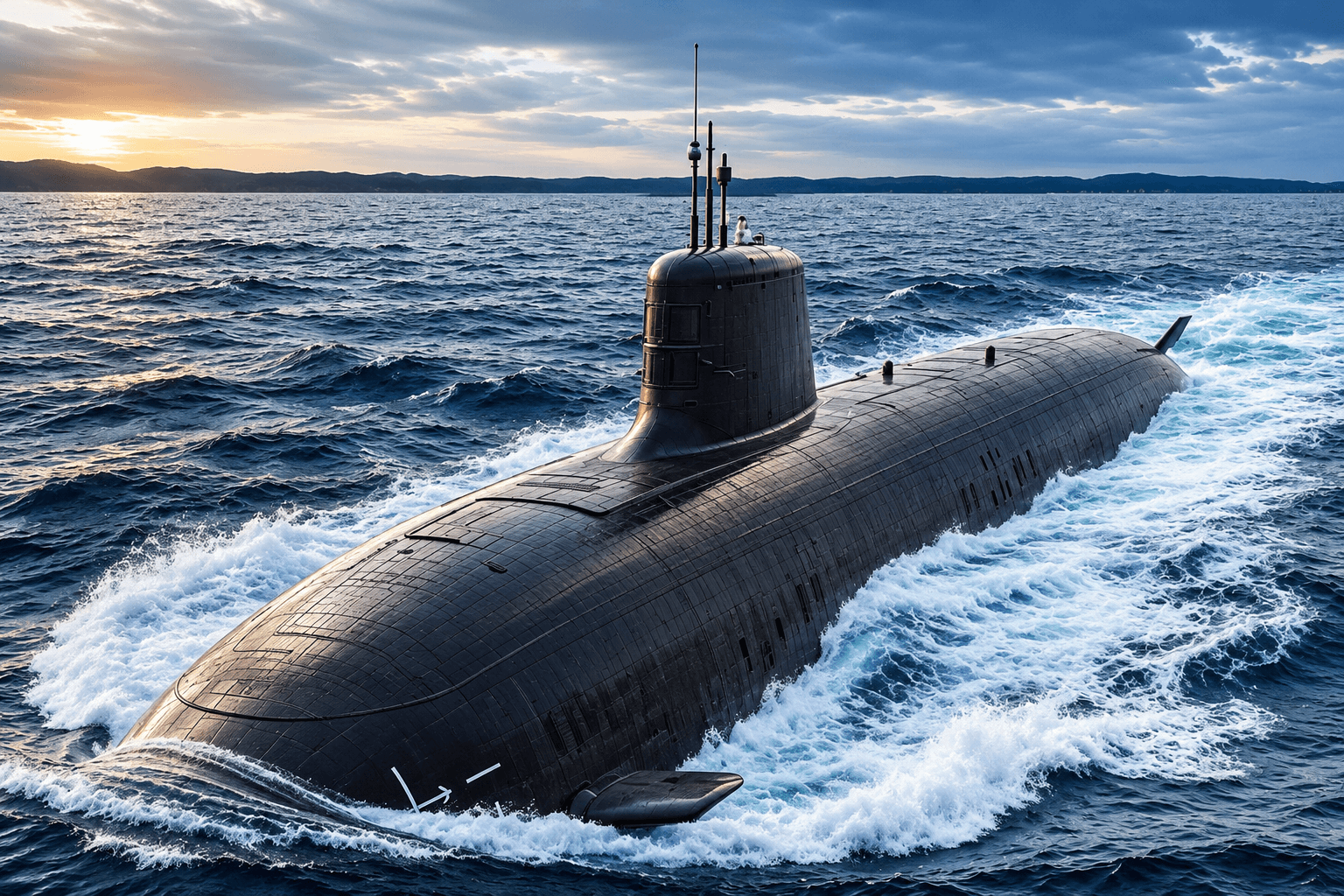
US President Donald Trump's criticism of allied defence spending and uncertainty surrounding America's long-term military commitments have raised concerns among European governments. Several countries are now working to strengthen their own defence capabilities and reduce their dependence on American military equipment.
A Reuters investigation published in September highlighted growing tensions over US troop deployments, defence spending and Washington's security commitments. It also examined concerns about NATO's readiness to deal with emerging threats, including Russian military activity and the rapid development of drone warfare.
Although NATO remains a central military alliance, disagreements over defence responsibilities and strategic priorities are testing trust among its members.
European efforts to develop stronger independent defence capabilities could improve the continent's security. However, they also raise questions about how military responsibilities should be divided between European allies and the United States.
BRICS SEEKS A STRONGER VOICE IN A MULTIPOLAR WORLD
While Western alliances face internal disagreements, BRICS is working to expand its influence as a platform for emerging economies and countries across the Global South.
At its September 2026 summit in New Delhi, leaders from member countries discussed international security, economic cooperation and rising tensions in the Middle East. Despite their different political and economic interests, participants called for restraint, dialogue and diplomatic efforts to prevent further escalation.
The summit's joint declaration also criticised unilateral sanctions that have not been authorised by the UN Security Council and expressed concern over attacks on civilian infrastructure.
Indian Prime Minister Narendra Modi stressed that BRICS should not be viewed as an anti-Western grouping. Instead, he presented it as a platform through which developing countries could have a greater influence on international institutions and global decision-making.
However, BRICS is not a unified military or political alliance. Its members maintain different relationships with the United States, Europe and one another. Differences involving China, India, Iran and the United Arab Emirates highlight the challenges of developing a common foreign policy within such a diverse group.
Even so, BRICS's growing economic and diplomatic presence reflects increasing calls for a more balanced and representative international system.
US–CHINA RIVALRY CONTINUES TO RESHAPE GLOBAL PARTNERSHIPS
Competition between Washington and Beijing remains one of the biggest forces influencing international relations.
The rivalry now extends well beyond tariffs and traditional trade disputes. Both countries are competing for influence in advanced technology, semiconductor manufacturing, artificial intelligence, critical minerals, energy infrastructure and strategic transport routes.
At the Atlanta G20 meeting, the United States encouraged cooperation among countries concerned about China's influence over critical minerals and global supply chains. Washington's proposed Pax Silica initiative reflects its broader efforts to build partnerships around access to strategically important materials and technologies.
For many middle powers, however, choosing between the United States and China is neither practical nor desirable. Countries such as India, Brazil and Indonesia are trying to maintain independent foreign policies while protecting their access to international markets, investment and security partnerships.
This balancing act is becoming increasingly important as geopolitical competition begins to influence trade agreements, technology standards and investment decisions.
GLOBAL ECONOMY FEELS THE PRESSURE OF GEOPOLITICAL DIVISIONS
Growing divisions between major powers are also creating challenges for the global economy. Trade restrictions, sanctions, supply-chain competition and concerns over energy security are adding uncertainty for governments and businesses.
The World Economic Forum's 2026 Global Risks Report identified geoeconomic confrontation as the leading risk capable of triggering a significant global crisis. The report also found that 68% of respondents expected the international political environment over the next decade to become more multipolar or fragmented, with major and middle powers competing to influence regional rules and international norms.
This shift could encourage countries to build competing economic partnerships and regional supply chains. Although diversification can help governments reduce their dependence on individual suppliers, excessive fragmentation could increase production costs, disrupt trade and limit international cooperation.
Energy security, food supplies, financial stability and access to critical technologies are likely to remain major priorities as countries reconsider their economic and diplomatic relationships.
UNITED NATIONS AND GLOBAL INSTITUTIONS FACE A CRITICAL TEST
The United Nations continues to serve as the world's main platform for addressing international conflicts, humanitarian emergencies and security challenges. However, disagreements among major powers have repeatedly made it difficult to reach consensus on sensitive issues.
The structure of the UN Security Council, particularly the veto power held by its five permanent members, can prevent decisive action when their national interests clash.
As a result, calls for institutional reform have gained renewed attention. Emerging economies are increasingly demanding greater representation and a stronger role in international decision-making.
The discussion also goes beyond the structure of the United Nations. Governments are questioning whether existing international frameworks can keep pace with modern challenges such as cyberattacks, artificial intelligence, climate risks, cross-border conflicts and disruptions to global trade.
Without stronger cooperation, international institutions could find it increasingly difficult to respond to problems that no single country can solve on its own.
RISKS AND KEY ISSUES TO WATCH
Alliance fragmentation: Continued disagreements within NATO, the G7 and the G20 could weaken their ability to coordinate responses to international crises.
US–China rivalry: Competition over technology, trade and critical minerals could deepen economic divisions and create competing supply-chain networks.
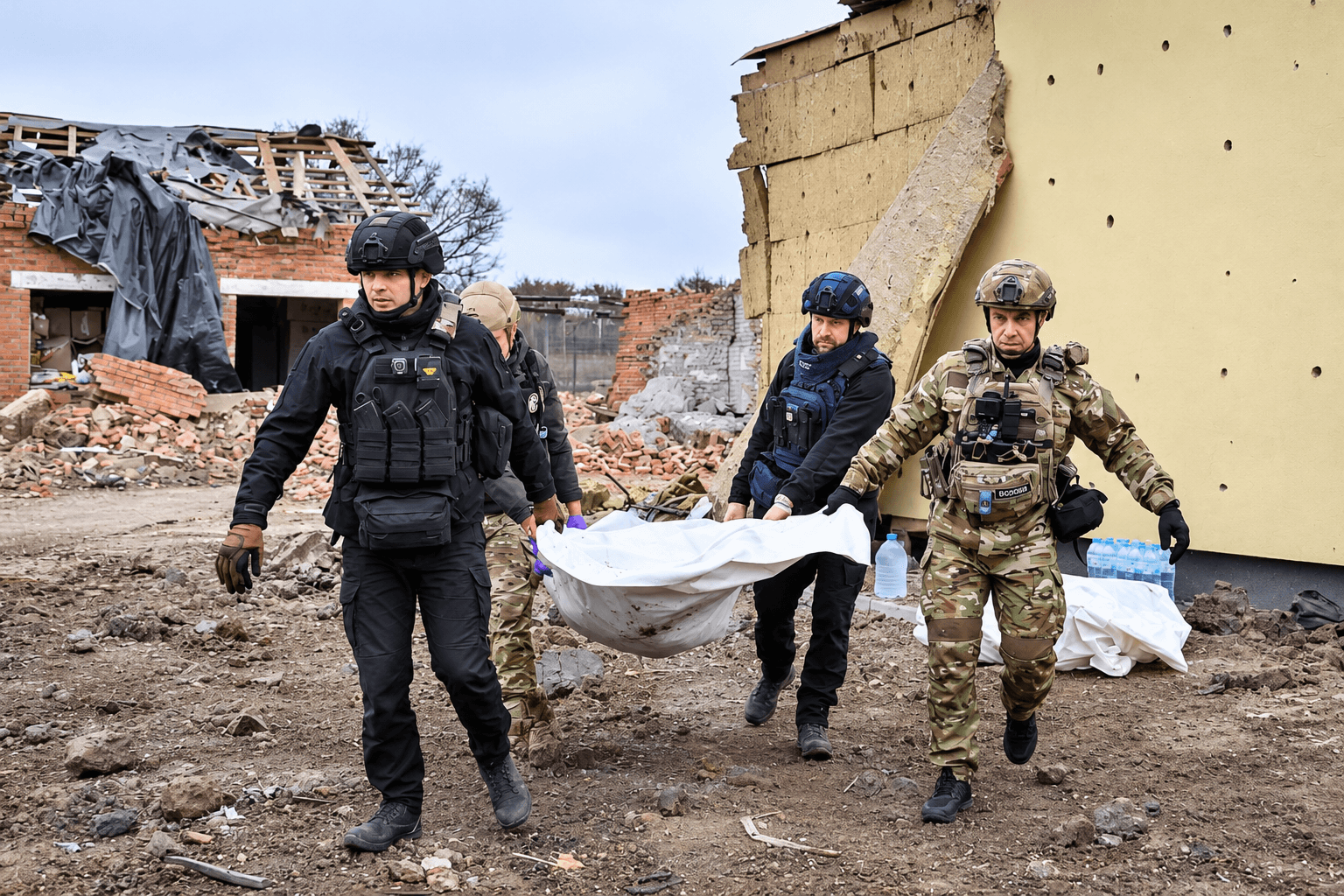
Ukraine and Middle East conflicts: Prolonged fighting could increase diplomatic tensions, threaten energy security and contribute to regional instability.
BRICS influence: The group's growing diplomatic presence could reshape discussions about global governance, although internal differences may limit its ability to act collectively.
Economic protectionism: Higher tariffs, sanctions and export restrictions could increase business costs and disrupt international trade.
Weakness in multilateral institutions: A lack of meaningful reform could further undermine confidence in international organisations and their ability to manage global crises.
WHAT TO WATCH NEXT
G20 leaders' summit: Whether world leaders can overcome their differences and agree on common approaches to international security, trade and economic cooperation.
NATO's defence strategy: Whether European governments strengthen defence coordination and how Washington responds to demands for greater burden-sharing.
BRICS cooperation: Whether member countries turn diplomatic commitments into practical economic and financial partnerships.
US–China negotiations: Whether Washington and Beijing can manage their rivalry without causing further disruption to global trade and technology markets.
Ukraine and Middle East diplomacy: Whether renewed negotiations create opportunities to reduce military tensions and improve regional stability.
UN reform discussions: Whether emerging economies make meaningful progress towards securing greater representation in international decision-making.
FACT CHECK METER
Editorial confidence: 96%
Strongly supported — based on international reporting and institutional assessments.
Confirmed details
G20 foreign ministers met in Atlanta on October 30–31 amid disagreements over Ukraine, the Middle East and international economic priorities.
NATO continues to face debates over defence spending and the future of transatlantic security commitments.
BRICS leaders adopted a joint declaration in New Delhi in September calling for restraint and diplomatic solutions to Middle East tensions.
The World Economic Forum identified geoeconomic confrontation as a major global risk in 2026.
Important distinctions
NATO, the G7, BRICS and the G20 have different purposes, memberships and structures. They should not be treated as interchangeable alliances.
BRICS members do not share a single foreign or security policy.
A more multipolar world does not automatically mean the collapse of existing international institutions.
Predictions about the future of global alliances remain assessments rather than confirmed outcomes.
AWX VERDICT
Global alliances are entering a challenging period as geopolitical conflicts, economic competition and competing national interests make international cooperation increasingly difficult.
NATO is facing questions about its future defence responsibilities, the G7 is dealing with growing differences among major economies, and BRICS is seeking a stronger voice for emerging nations.
However, despite these divisions, countries remain dependent on one another to manage shared economic and security challenges. The future of the international order will largely depend on whether major powers can manage their rivalries while keeping diplomatic channels open.
The percentage represents AWX editorial confidence in the article's factual reporting. It is not a statistical probability or an official rating.
THE AWX BOTTOM LINE
The global political order is changing as traditional alliances face growing geopolitical tensions and competing economic interests. NATO is reassessing its security responsibilities, the G7 is facing questions about its international influence, and BRICS is pushing for a greater role for emerging economies.
Meanwhile, competition between the United States and China, ongoing conflicts in Ukraine and the Middle East, and rising trade restrictions are making international cooperation more complicated.
The emerging world may be more multipolar, but it is also becoming increasingly divided. The biggest challenge for global leaders will be to prevent strategic competition from escalating into wider confrontation while maintaining the cooperation needed to address shared international problems.
ATTLAS NEWS | AWX WORLD NEWS
Real Stories. Lasting Impact.
Comments
No comments yet.