

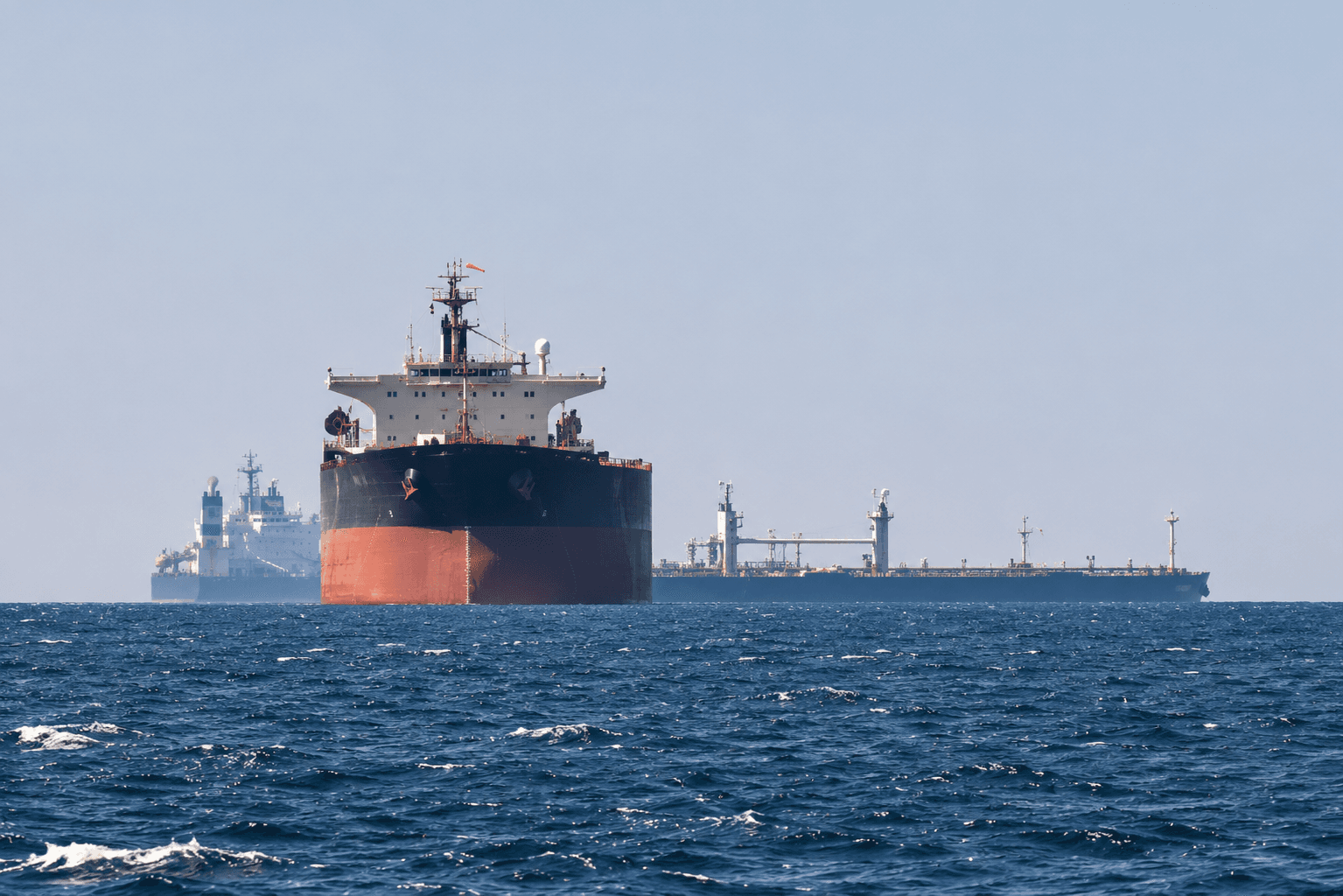
The security situation in the Strait of Hormuz has become increasingly tense after Iran's Islamic Revolutionary Guard Corps (IRGC) Navy claimed that two oil tankers caught fire after striking naval mines while attempting to cross the strategic waterway.
The announcement, carried by Iranian state media on November 1, comes amid a series of maritime incidents that have disrupted commercial shipping and raised concerns about the safety of one of the world's most important energy routes.
The latest claims have yet to be independently verified. Iranian authorities have not identified the two vessels or provided confirmed details about possible casualties. The IRGC alleged that the tankers had entered a restricted shipping route despite warnings from Iranian forces.
The reports follow another incident on October 29 involving the Panama-flagged tanker Louise 1. Maritime security sources said two limpet mines were attached to the vessel's hull by a small boat, causing an engine-room fire. The United Kingdom Maritime Trade Operations (UKMTO) confirmed that the crew were safe and the fire had been extinguished.
Another incident involving Qatar's liquefied natural gas carrier Al Mayeda has added to concerns across the region. According to its operator, Nakilat, the vessel was struck by unidentified objects in the Arabian Gulf on October 30. No injuries or environmental damage were reported, and the ship remained operational.
With several incidents reported within a matter of days, shipping companies, energy traders and governments are increasingly questioning whether commercial vessels can continue using the waterway safely. The developments have also put diplomatic efforts under pressure as Washington and Tehran struggle to prevent the confrontation from escalating further.
TWO OIL TANKERS REPORTEDLY STRIKE MINES AS IRAN RESTRICTS SHIPPING ROUTES
The latest escalation followed a statement from the IRGC Navy claiming that two oil tankers exploded after hitting naval mines while attempting to cross a route that Iran considers unauthorised.
According to Iranian state media, the vessels ignored warnings and entered a restricted shipping corridor. The IRGC also alleged that the tankers had switched off their navigation and identification systems.
Tehran has insisted that commercial vessels must coordinate their movements through routes approved by Iranian authorities. The United States, meanwhile, has encouraged shipping operators to use a southern passage through the strait. These competing instructions have created confusion over which routes commercial vessels can safely use.
The identities of the two tankers, the circumstances surrounding the reported explosions and the origin of the alleged mines have not been independently established.
Washington has previously said that its forces cleared mines from internationally recognised shipping routes. Iranian military representatives have disputed those claims and called for independent evidence of the mine-clearing operations.
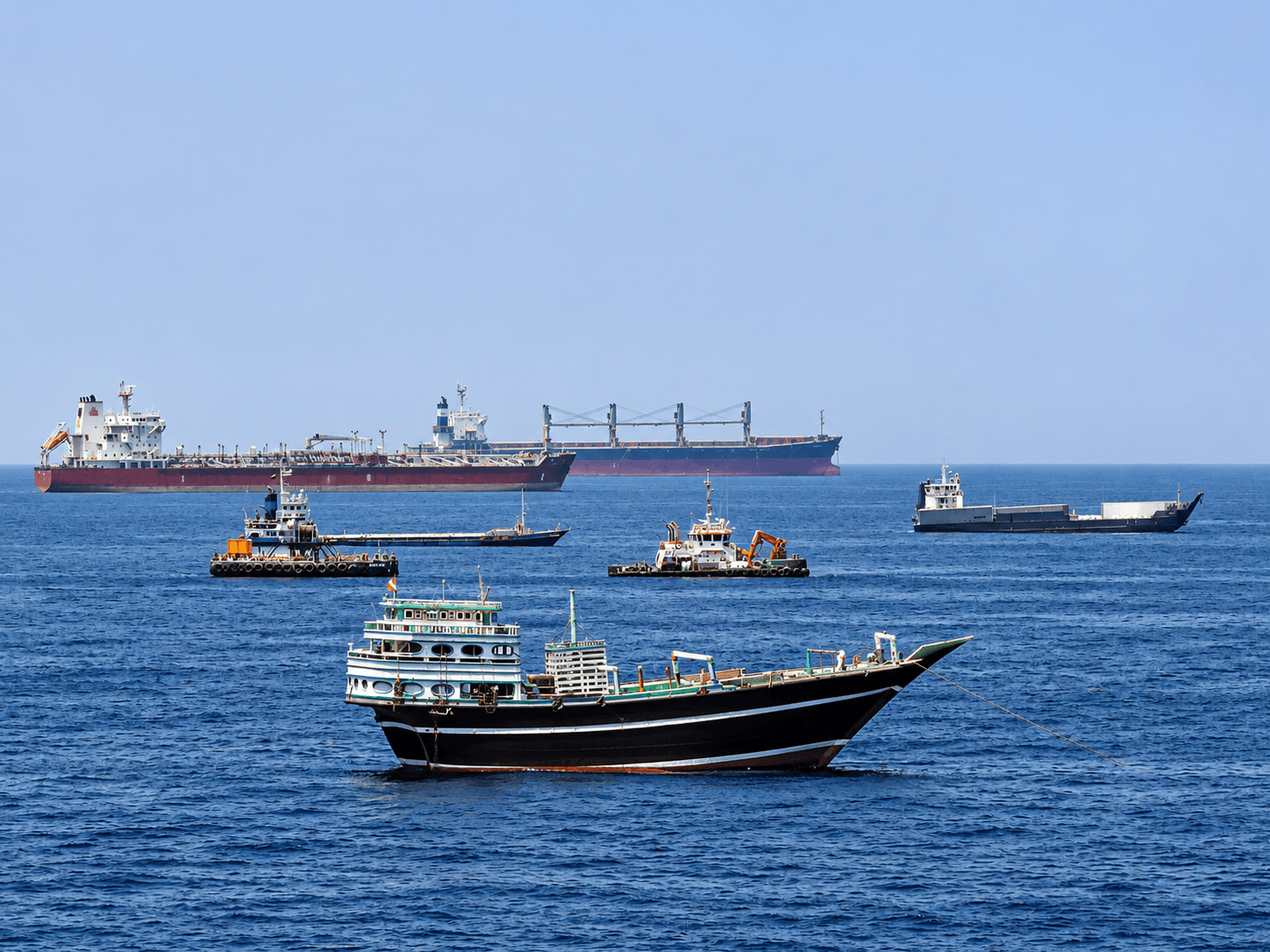
The conflicting statements have created a difficult situation for commercial shipping operators. Vessels navigating the area may receive different instructions from opposing military authorities while facing uncertainty over the presence of mines and other explosive devices.
For shipping companies, the biggest concern is not just the threat of an attack. It is the lack of a clearly recognised and reliably safe route through the waterway.
LIMPET MINES AND SMALL-BOAT ATTACK RAISE MARITIME SECURITY CONCERNS
One of the most concerning incidents occurred on October 29, when the Panama-flagged tanker Louise 1 was reportedly damaged by two limpet mines attached to its hull.
According to maritime security sources cited by Reuters, a small boat approached the vessel and attached the explosive devices before leaving the area. The resulting explosion caused a fire in the engine room and temporarily disrupted the tanker's operations.
UKMTO confirmed that a vessel had reported an incident approximately 25 nautical miles northeast of Oman's Khasab. The crew were safe, the fire was brought under control and no environmental damage was reported. The tanker was subsequently able to continue towards its next port of call.
The incident highlights how relatively small explosive devices can pose a serious threat to large commercial vessels, even without the use of missiles or drones.
Small boats can approach ships operating in busy shipping lanes, making such attacks difficult to detect. Devices attached directly to a vessel's hull can also create significant security challenges, particularly when those responsible leave the area before authorities can identify them.
However, responsibility for the attack on the Louise 1 has not been established. There is currently insufficient evidence to attribute the incident to Iran or any other specific actor.
Even so, the incident has increased pressure on maritime operators to strengthen security arrangements, improve vessel monitoring and review emergency procedures when navigating the Gulf.
QATARI LNG CARRIER ATTACK ADDS TO GLOBAL ENERGY SUPPLY FEARS
The incident involving Qatar's LNG carrier Al Mayeda has widened concerns beyond oil transportation, bringing international natural gas supplies into focus.
Nakilat, Qatar's gas transportation company, confirmed that the vessel was struck by unidentified objects in the Arabian Gulf on the evening of October 30. The company said all crew members were safe, there was no environmental damage and the ship remained operational.
The incident is particularly significant because Qatar is one of the world's leading exporters of liquefied natural gas. Its shipments supply major energy-importing economies, especially across Asia, where LNG is essential for electricity generation, industrial activity and household consumption.
Pakistan is also exposed to potential disruptions because it relies heavily on imported LNG, including supplies from Qatar.
Reports indicated that the Al Mayeda was carrying LNG destined for Pakistan and that its passage involved arrangements with Iranian authorities. The circumstances surrounding the incident remain under investigation.
Saudi Arabia condemned the reported attack, warning that threats against commercial vessels could endanger maritime navigation and international energy supplies. The UAE also expressed concern and called for the protection of shipping and its crews.
The incident shows how instability in the Gulf can affect countries that are not directly involved in the military confrontation. Even when ships remain operational and their cargoes are not lost, security concerns can delay deliveries, increase insurance costs and create additional pressure on energy-importing economies.
STRAIT OF HORMUZ EMERGES AS THE CENTRE OF THE GLOBAL ENERGY CRISIS
The Strait of Hormuz is one of the world's most important maritime passages. It connects the Persian Gulf with the Gulf of Oman and the Arabian Sea, providing a crucial export route for oil and gas producers across the Middle East.
Around one-fifth of global oil supplies normally pass through this narrow waterway. It is also a major route for LNG exports, particularly from Qatar.
Any prolonged disruption could have consequences far beyond the region. Oil-importing countries may face higher fuel costs, while shipping companies could encounter longer routes, rising insurance premiums and delays in delivering cargo.
The current crisis has already created uncertainty around tanker movements. Some operators have reportedly delayed voyages or adjusted their routes while assessing the risks associated with competing military restrictions and the possibility of further attacks.
Asian economies are particularly vulnerable because of their dependence on energy imports from the Gulf. India, China, Japan and South Korea are among the countries with significant exposure to disruptions along this route.
For India, prolonged instability could increase the cost of imported crude oil and LNG, putting additional pressure on the import bill, inflation and transportation expenses.
The eventual impact will depend on how long the disruptions continue, whether alternative supplies are available and how international energy prices respond.
The crisis is therefore no longer just a regional maritime-security issue. It has the potential to affect global inflation, trade costs and economic growth.
US-IRAN CONFRONTATION PUTS DIPLOMATIC EFFORTS UNDER PRESSURE
The latest shipping incidents are unfolding against the backdrop of the continuing US-Iran conflict, raising concerns that further military escalation could destabilise the region.
US President Donald Trump has warned Tehran that it must reach an agreement or face further consequences. On November 2, he suggested that the conflict could end very soon, one way or another, while maintaining pressure on Iran to negotiate.
Iranian Foreign Minister Abbas Araghchi, meanwhile, has indicated that discussions with mediators over a proposal to reopen the Strait of Hormuz are continuing.
The reported proposal aims to restore commercial shipping movements, although major disagreements between Washington and Tehran remain unresolved.
The two sides have different priorities. Washington wants freedom of navigation and restrictions on Iran's ability to threaten commercial shipping. Tehran, meanwhile, is seeking recognition of its security demands and greater influence over the conditions governing passage through the waterway.
Iran has also warned that any renewed conflict could be more extensive than the previous phase of fighting. Such statements have increased concerns that further attacks could trigger retaliation and draw additional regional actors into the confrontation.
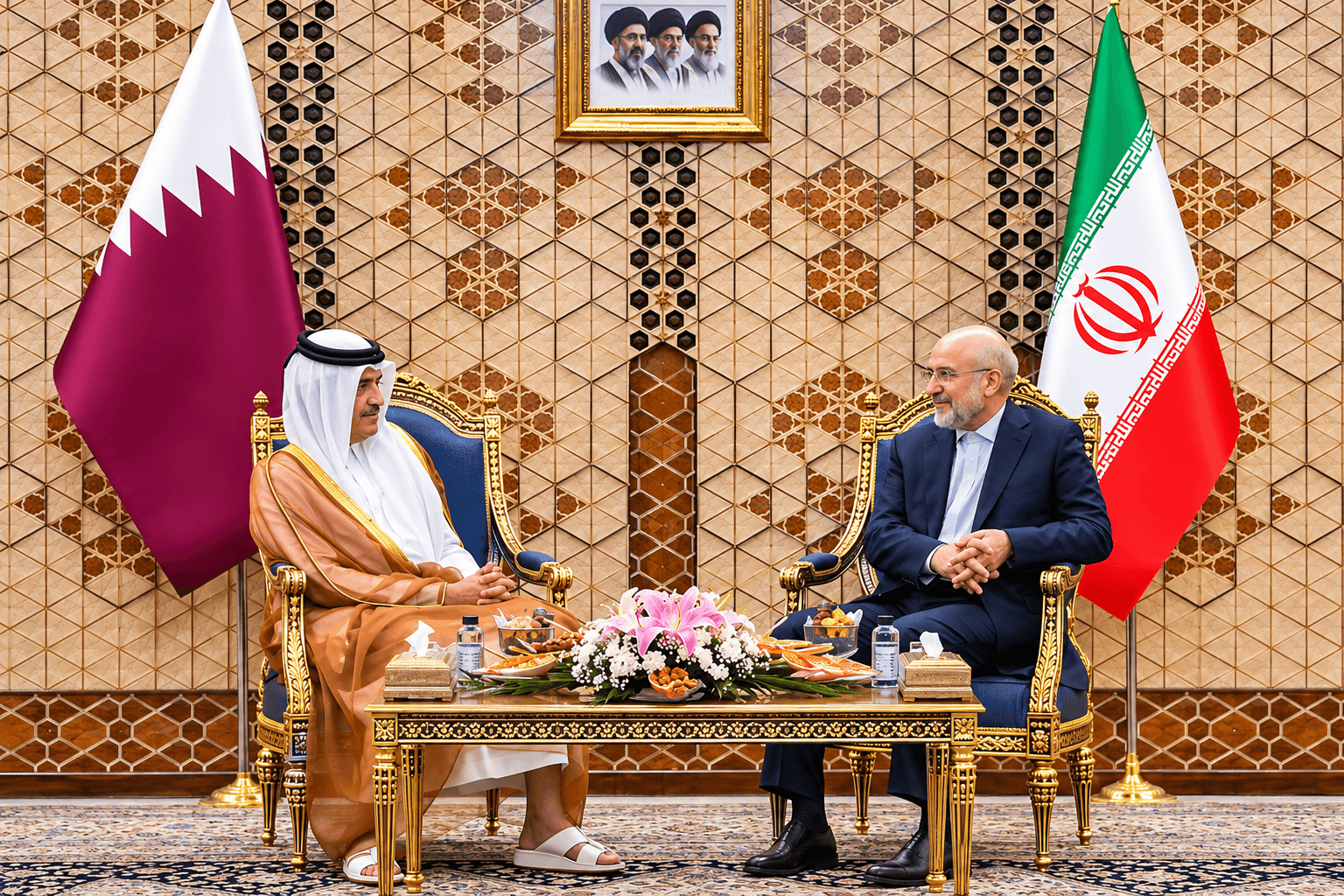
Diplomatic mediation involving regional countries, including Qatar and Pakistan, remains important. However, a lasting agreement will require more than simply reopening shipping lanes. It will need to address military escalation, sanctions, maritime access and the wider security concerns of both sides.
SHIPPING COMPANIES AND INSURERS FACE RISING OPERATIONAL RISKS
The growing number of maritime incidents is forcing shipping companies to reconsider their operations in the Gulf.
Before sending vessels through the Strait of Hormuz, operators must now weigh several risks, including:
Naval mines and explosive devices attached to ship hulls.
Conflicting instructions from Iranian and US military authorities.
Potential drone, missile and unidentified projectile attacks.
Delays caused by security inspections, rerouting and emergency restrictions.
Rising insurance premiums and additional crew-protection costs.
Marine insurers are also reassessing the risks associated with vessels operating in the region. If incidents continue, war-risk insurance could become more expensive or difficult to obtain, particularly for ships carrying high-value oil and gas cargoes.
Even a temporary disruption can have serious financial consequences. Delayed tankers may miss delivery schedules, buyers may have to arrange alternative supplies and energy companies could face higher transportation costs.
Maritime authorities also face a difficult balancing act: keeping commercial traffic moving while ensuring the safety of crews and preventing environmental disasters.
A major tanker explosion, oil spill or prolonged closure of the waterway could turn the current shipping crisis into a much wider economic and environmental emergency.
RISKS AND KEY ISSUES TO WATCH
Further mine incidents: Additional explosions or discoveries of naval mines could make commercial transit through Hormuz even more dangerous.
US-Iran military escalation: Another exchange of attacks could widen the conflict and threaten neighbouring Gulf countries.
Oil and LNG supply disruptions: Prolonged restrictions could affect global energy availability and push prices higher.
Maritime insurance costs: Higher war-risk premiums could make shipping significantly more expensive.
Safety of tanker crews: Repeated attacks expose seafarers to fires, explosions, injuries and possible loss of life.
Regional diplomatic tensions: Attacks involving Qatari vessels and other Gulf shipping could complicate relations between regional governments.
Environmental damage: A major tanker explosion or oil spill could threaten marine ecosystems and coastal communities.
India's energy security: Continued disruptions could increase import costs and put additional pressure on India's trade balance and domestic fuel prices.
WHAT TO WATCH NEXT
Independent verification of tanker incidents: Whether maritime authorities establish the identities of the two tankers reportedly damaged by mines.
UKMTO security advisories: New warnings and reports of attacks or suspicious activity around the Strait of Hormuz.
US military response: Whether Washington announces additional mine-clearing operations, naval deployments or security measures.
Iran's shipping restrictions: Whether Tehran changes its rules for commercial vessels attempting to cross the waterway.
Al Mayeda investigation: Further information from Nakilat and regional authorities about the incident involving the Qatari LNG carrier.
Diplomatic negotiations: Whether mediation efforts involving Qatar and Pakistan produce an agreement to restore shipping movements.
Oil and LNG markets: Whether further maritime disruptions trigger another sharp increase in international energy prices.
Regional security coordination: Whether Gulf countries introduce additional measures to protect commercial shipping.
FACT CHECK METER
EDITORIAL CONFIDENCE: 96%
Strongly supported — some attack claims remain unverified.
Confirmed details
The IRGC Navy claimed on November 1 that two oil tankers struck mines and caught fire in the Strait of Hormuz.
Reuters reported a separate limpet-mine attack involving the tanker Louise 1 on October 29, citing maritime security sources.
UKMTO confirmed a maritime incident involving a vessel that suffered an engine-room fire.
Nakilat confirmed that its LNG carrier Al Mayeda was struck by unidentified objects on October 30.
The crew of the Al Mayeda were safe, with no reported environmental damage.
US-Iran tensions and negotiations over maritime access remain ongoing.
Important distinctions
The IRGC's claims about two tankers striking naval mines have not been independently verified.
The identities of the two vessels mentioned in Iran's November 1 announcement remain unconfirmed.
Responsibility for the attack on the Louise 1 has not been established.
The incident involving the Al Mayeda was attributed to unidentified objects and should not automatically be described as a naval-mine attack.
These separate maritime incidents should not be combined into a single confirmed attack or casualty count.
AWX VERDICT
The Strait of Hormuz is facing a serious deterioration in maritime security. Multiple vessel incidents and official shipping warnings point to growing risks for commercial operators.
While Iran's latest claims about mine strikes remain unverified, the reported attack on the Louise 1 and confirmed damage to commercial vessels underline the seriousness of the situation.
If diplomatic efforts fail and further incidents occur, the crisis could have significant consequences for international shipping and global energy markets.
The percentage represents AWX's editorial confidence in the article's factual reporting. It is not a statistical probability or an official maritime-security assessment.
THE AWX BOTTOM LINE
The Strait of Hormuz is fast becoming one of the most dangerous pressure points in the US-Iran confrontation. Reports of tankers striking naval mines, the attack on the Louise 1 and damage to Qatar's Al Mayeda have raised serious concerns about the safety of commercial shipping.
Although some of the latest Iranian claims remain unverified, the growing number of maritime incidents shows how quickly regional tensions can threaten international trade and energy supplies.
For countries that depend heavily on Gulf oil and gas, including India and other major Asian importers, prolonged disruption could mean higher import costs, inflationary pressure and greater uncertainty for businesses.
Diplomacy remains the clearest path towards stabilising the situation. However, restoring confidence in the Strait of Hormuz will require credible security arrangements, reliable access for commercial vessels and an agreement that prevents further attacks on shipping.
Until such an agreement emerges, the waterway will remain a critical pressure point for global energy security, international trade and regional stability.
ATTLAS NEWS | AWX WORLD NEWS
Real Stories. Lasting Impact.

Comments
No comments yet.