

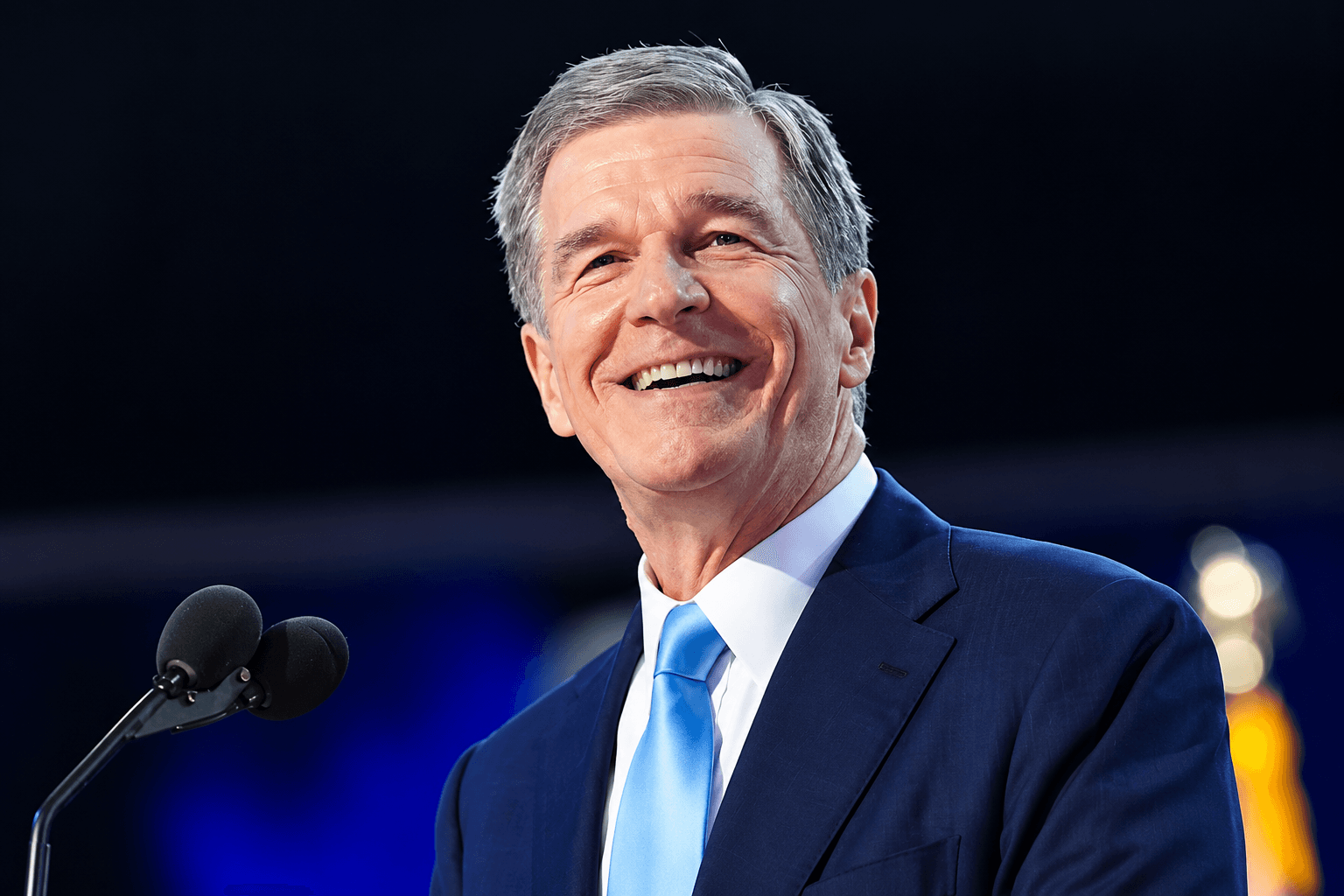
North Carolina has become one of the biggest political stories of the 2026 US midterm elections after Democrat Roy Cooper defeated Republican Michael Whatley in the race for the US Senate. Cooper’s victory gives Democrats a significant pickup and strengthens their position in Congress, while dealing a blow to a Republican candidate who had received strong backing from President Donald Trump.
Cooper, a former two-term governor of North Carolina, entered the contest with considerable statewide recognition and a strong electoral record. Whatley, who previously chaired the Republican National Committee, campaigned on conservative policies and his commitment to advancing Trump's political agenda.
The result carries added significance because North Carolina has not elected a Democrat to the US Senate since 2008. Cooper's win also reflects the broader Democratic gains made in several traditionally Republican states during the November 3 elections.
Important clarification: This was a US Senate election, not a gubernatorial race. Cooper will succeed retiring Republican Senator Thom Tillis in the Senate.
COOPER FLIPS A KEY REPUBLICAN-HELD SENATE SEAT
The Associated Press projected Cooper as the winner after he defeated Whatley by nearly 20 percentage points, giving Democrats a major breakthrough in North Carolina.
The seat became vacant after Republican Senator Thom Tillis announced that he would not seek re-election. His decision followed disagreements with Trump over Medicaid cuts included in the president's major tax and spending legislation.
The victory is particularly important given the Republicans' previous 53–47 majority in the Senate. Democrats needed a net gain of four seats to take control of the chamber.
Cooper will become the first Democrat elected to represent North Carolina in the US Senate since 2008. His performance also highlights how an experienced state-level politician with strong local support can outperform national political trends.
TRUMP'S ENDORSEMENT FAILS TO DELIVER VICTORY FOR WHATLEY
Whatley entered the race with considerable support from Trump, who saw North Carolina as an important state in the Republican Party's efforts to protect its Senate majority.
As a former Republican National Committee chairman, Whatley had played an important role in the party's national organisation and Trump's 2024 re-election campaign. However, unlike Cooper, he had never held elected office.
Trump actively campaigned alongside Whatley in North Carolina, presenting him as a candidate who would stand firmly behind conservative priorities and the administration's political agenda.
Cooper, meanwhile, relied on his experience in state government, strong name recognition and appeal among independent voters. As the campaign progressed, his polling advantage grew, forcing some Republican-aligned groups to shift their advertising resources towards other competitive races.
Whatley's defeat raises fresh questions about how much influence Trump's personal endorsements carry in closely contested elections, particularly when voters are more concerned about the economy and the administration's overall performance.
COST OF LIVING TAKES CENTRE STAGE IN COOPER'S CAMPAIGN
Affordability was one of the central themes of Cooper's campaign. He repeatedly focused on the rising cost of everyday essentials, including groceries, fuel, healthcare and housing.
His message connected with voters facing increasing household expenses and uncertainty about the economy. Cooper argued that government policies should ease financial pressure on families rather than make everyday life more expensive.
The conflict involving Iran also became part of the campaign debate. Higher fuel prices and concerns about the economic consequences of military involvement gave Cooper an opportunity to question the administration's foreign-policy decisions.
During his victory speech, Cooper pledged to fight for more affordable healthcare, housing and groceries while addressing the financial challenges facing American households.
By keeping the focus on issues affecting people's daily lives, Cooper managed to distinguish his campaign from Whatley's broader association with Trump's political programme.
COOPER'S POLITICAL EXPERIENCE PROVES A MAJOR ADVANTAGE
At 69, Cooper brought decades of experience in North Carolina politics to the Senate race. Before running for the Senate, he served as the state's attorney general and completed two terms as governor.
His long political career gave him a strong presence across urban, suburban and rural communities. He also developed a reputation as a moderate Democrat who could attract support beyond the party's traditional voter base.
Whatley, 57, had a different background. His experience centred largely on Republican Party organisation and national politics. He previously served in the administration of former President George W. Bush, worked with former Senator Elizabeth Dole and later became chairman of the Republican National Committee.
However, his lack of experience as an elected official stood in contrast to Cooper's established record in state government.
Cooper's ability to connect with independent voters and people outside the traditional Democratic coalition proved to be an important factor in his decisive victory.
NORTH CAROLINA'S VOTING PATTERN POINTS TO A BROADER POLITICAL SHIFT
The Senate result is part of a wider Democratic advance across North Carolina.
Democrats also made gains in congressional contests and strengthened their position in the state House. According to The Washington Post, the state recorded one of the sharpest Democratic swings in the country, with support increasing in rural communities, lower-income areas and heavily Latino counties.
The outcome is particularly striking because North Carolina has repeatedly backed Republican presidential candidates in recent elections. Trump's victory in the state in 2024 had reinforced Republican confidence in its political position.
Cooper's success suggests that voters may make different choices in presidential, statewide and congressional elections, depending on the candidates and issues involved.
Still, one election is not enough to establish a permanent political realignment. Future contests will show whether the 2026 result marks a lasting change in North Carolina's voting patterns or reflects temporary dissatisfaction with national politics.
DEMOCRATS GAIN MOMENTUM IN THE BATTLE FOR CONGRESS
Cooper's victory has become part of a wider Democratic breakthrough in the 2026 midterm elections, with the party making gains in several Republican-held Senate and House seats.
Democrats also secured important victories in Georgia, Kansas, Ohio and other competitive states, helping them regain control of Congress.
The shift gives Democrats greater influence over the Senate's legislative agenda, committee leadership and confirmation of presidential nominees. It also gives the party more power to scrutinise the Trump administration and challenge policies supported by Republican leaders.
For Republicans, losing North Carolina is more than the loss of a single Senate seat. It highlights the challenges of defending congressional majorities when dissatisfaction with national leadership begins to affect traditionally competitive states.
Cooper's victory, therefore, represents an important part of a much broader political change in Washington.
WHAT COOPER'S SENATE VICTORY MEANS FOR NORTH CAROLINA
Cooper's move to Washington will bring a familiar political figure to the national stage, but his responsibilities will be very different from those he held as governor.
As a senator, he will have a role in shaping federal legislation covering healthcare, taxation, immigration, defence, trade and foreign policy.
During his campaign, Cooper promised to challenge what he described as corruption and political chaos in Washington while working to reduce the financial pressures facing ordinary Americans.
His election could also give North Carolina a stronger voice in national discussions on healthcare, economic development and infrastructure.
Cooper is expected to replace Thom Tillis when the new Senate takes office in January 2027. Whether he can turn his campaign promises into meaningful legislative results will become clearer once he begins his work in the chamber.
RISKS AND KEY ISSUES TO WATCH
Republican political backlash: Whatley's defeat could deepen disagreements within the Republican Party over campaign strategy and Trump's influence.
Economic expectations: Cooper will face pressure to deliver on promises involving grocery prices, fuel, healthcare and housing.
Senate negotiations: Democratic control will not automatically guarantee agreement on every legislative proposal.
Tensions with the Trump administration: Cooper could become a prominent critic of federal policies, particularly on healthcare and foreign affairs.
North Carolina's political future: The state remains competitive, and Democrats will need to show that their recent gains can be sustained.
Democratic momentum: The party must turn its congressional victories into effective policymaking ahead of the 2028 elections.
WHAT TO WATCH NEXT
Cooper's transition to the US Senate ahead of his expected inauguration in January 2027.
His first legislative priorities and committee assignments.
How Senate Democrats use their new majority to challenge the Trump administration.
Whether Cooper follows through on his commitments to improve healthcare, housing and affordability.
How Republicans respond to losing a crucial Senate seat in North Carolina.
Whether Democratic gains across the state continue into the 2028 presidential election cycle.
FACT CHECK METER
Editorial confidence: 98%
Strongly supported — based on established election reporting and major news organisations.
Confirmed details
Roy Cooper defeated Republican Michael Whatley in the November 3, 2026 Senate election.
The Associated Press projected Cooper as the winner by nearly 20 percentage points.
Whatley received the backing of President Donald Trump.
Cooper will replace retiring Republican Senator Thom Tillis.
Cooper becomes the first Democrat elected to represent North Carolina in the US Senate since 2008.
Important distinctions
This was a US Senate election, not a gubernatorial contest.
Cooper's victory is part of a wider Democratic advance in the congressional elections.
Whether North Carolina has undergone a lasting political realignment remains to be seen.
AWX VERDICT
Cooper's victory has been reported by major news organisations, including the Associated Press and Reuters. The result represents a significant Democratic breakthrough in a traditionally competitive state. However, whether it signals a lasting change in North Carolina's political identity will depend on how voters respond in future elections.
The percentage represents AWX editorial confidence in the article's factual reporting, not a statistical probability or official rating.
THE AWX BOTTOM LINE
Roy Cooper's victory over Michael Whatley marks a major political moment for North Carolina and an important breakthrough for Democrats in the 2026 US midterm elections.
By defeating Trump's preferred candidate, Cooper has flipped a Republican-held Senate seat and strengthened the Democratic Party's position in Washington. His campaign gained momentum by focusing on the issues most directly affecting American households, particularly the rising cost of living, healthcare and housing.
For Republicans, the result raises serious questions about the effectiveness of Trump's endorsements and the party's ability to hold on to competitive states.
For Democrats, Cooper's win offers an opportunity to build on their electoral momentum and show that their new congressional strength can translate into meaningful policy changes.
North Carolina has delivered a powerful political message. Whether this victory marks the beginning of a lasting shift in the state's voting patterns remains to be seen.
ATTLAS NEWS | AWX WORLD NEWS
Real Stories. Lasting Impact.


Comments
No comments yet.