

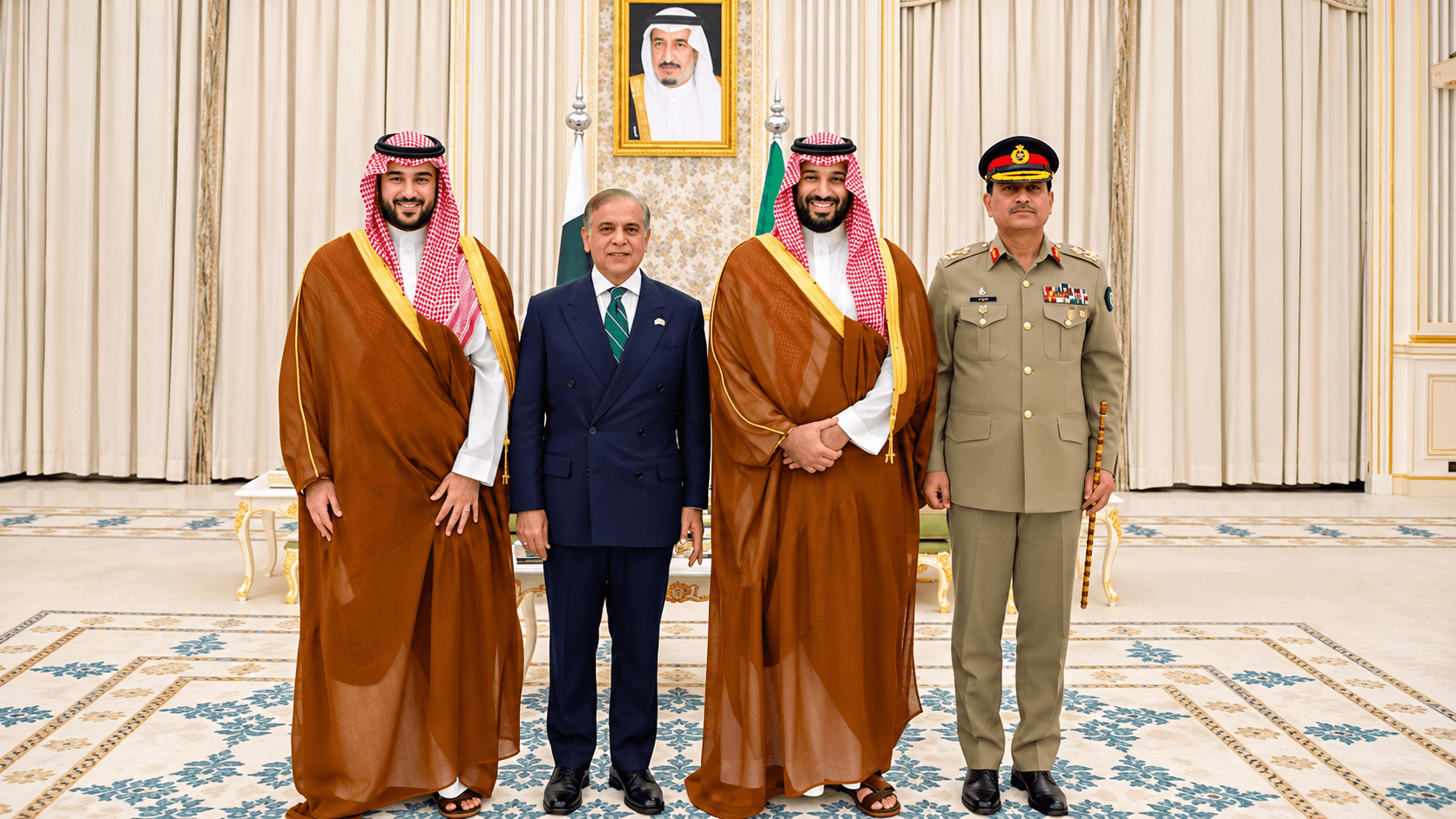
Saudi Arabia has reaffirmed its backing for diplomatic initiatives led by Qatar and Pakistan, adding momentum to regional efforts to contain the growing Middle East crisis.
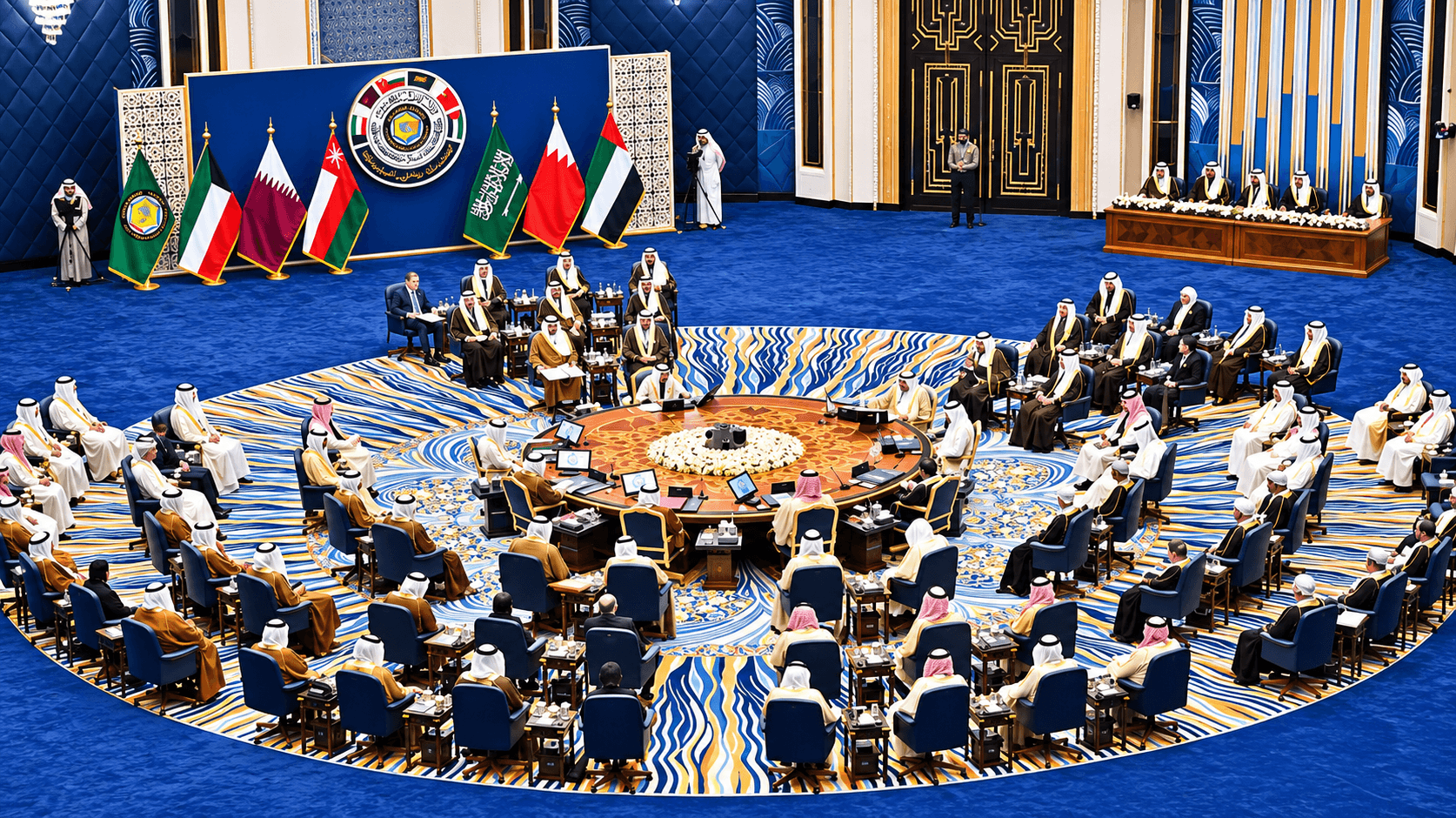
During a Cabinet meeting chaired by Crown Prince and Prime Minister Mohammed bin Salman on October 27, the Saudi government expressed support for mediation efforts by Doha and Islamabad. Riyadh described these initiatives as important steps towards reducing tensions and promoting peace and stability across the region.
The announcement comes as Saudi Arabia, Pakistan, Türkiye, Qatar and Iran remain engaged in a series of diplomatic contacts aimed at preventing the conflict from spreading further.
With regional security, energy infrastructure and international shipping routes under increasing pressure, governments across the region are looking for ways to restore communication and avoid another round of military confrontation.
Saudi Arabia's latest statement also reflects its growing emphasis on regional cooperation. Riyadh appears to be signalling that diplomacy and dialogue must remain central to efforts to resolve the crisis.
RIYADH REAFFIRMS SUPPORT FOR QATAR AND PAKISTAN
Following its October 27 Cabinet meeting, the Saudi government reiterated its support for diplomatic initiatives led by Qatar and Pakistan to reduce regional tensions.
The Cabinet also reviewed the outcome of discussions held a day earlier between representatives of countries involved in the Makkah Joint Defence Agreement and senior Iranian officials.
Saudi Arabia, Pakistan and Türkiye took part in the diplomatic engagement, which was aimed at keeping communication channels open and preventing further escalation.
Riyadh also highlighted the importance of cooperation among the countries involved in the Makkah Agreement, stressing their shared responsibility in supporting regional security and stability.
The announcement carries significance because Saudi Arabia has now publicly backed mediation efforts involving two countries that maintain diplomatic channels with Tehran. Both Qatar and Pakistan have played important roles in facilitating communication during the ongoing crisis.
However, Riyadh's statement should not be mistaken for a breakthrough in negotiations. It represents political support for mediation, not confirmation that the parties have reached a peace agreement.
HIGH-LEVEL TALKS WITH IRAN SIGNAL A REGIONAL DIPLOMATIC PUSH
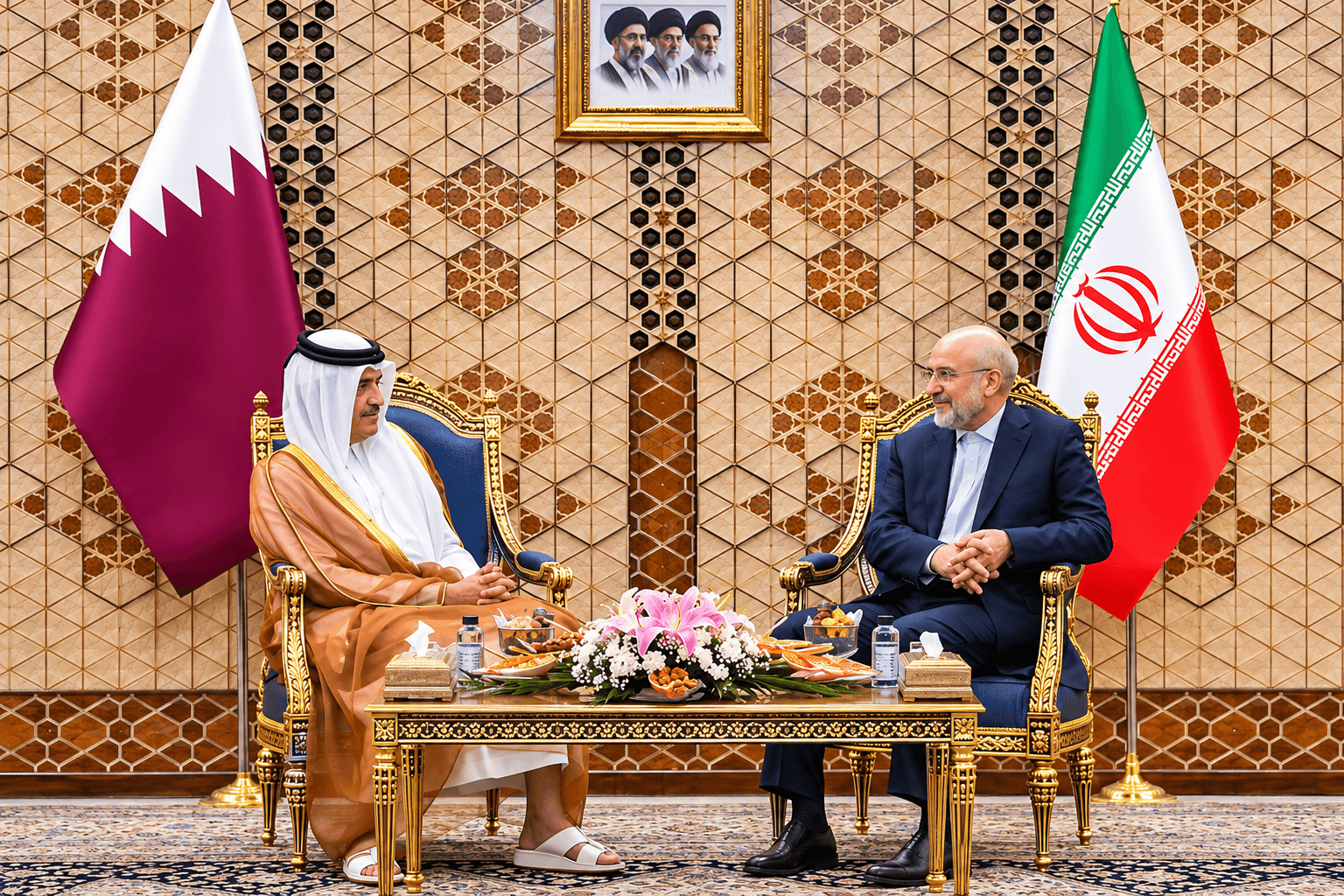
The Saudi Cabinet's announcement followed a high-level diplomatic visit to Tehran on October 26, involving officials from Saudi Arabia, Pakistan and Türkiye.
Saudi Defence Minister Prince Khalid bin Salman represented Riyadh, while Pakistan's delegation included Army Chief Field Marshal Asim Munir. Türkiye was represented by its intelligence chief, Ibrahim Kalin.
During the visit, the delegation met senior Iranian officials, including President Masoud Pezeshkian and Foreign Minister Abbas Araqchi.
The discussions focused on opening channels for further negotiations and finding ways to prevent the conflict from returning to a more dangerous phase.
According to Reuters reporting, the talks covered regional security, tensions involving Iran, the United States and Israel, Houthi attacks, and disruptions to commercial shipping through the Strait of Hormuz.
The meeting was particularly notable because senior representatives of the Makkah defence agreement countries engaged directly with Iranian leadership at a time of heightened regional tensions.
Iranian state media reported that the countries agreed to continue discussions, with greater cooperation on peace and security among the key priorities.
However, there has been no confirmation that the meeting resulted in a comprehensive ceasefire or a final political settlement.
QATAR AND PAKISTAN EMERGE AS KEY MEDIATION CHANNELS
Qatar and Pakistan are playing increasingly important roles in diplomatic efforts to bring down tensions between the parties involved in the conflict.
Qatar has maintained contact with regional governments and Iranian officials, while Pakistan has drawn on its diplomatic and security relationships to help facilitate discussions.
Their involvement matters because the consequences of the crisis extend far beyond the immediate conflict zone. Threats to commercial vessels, disruptions to energy shipments and attacks on regional infrastructure have raised concerns among governments and international markets.
Reuters reported that Qatari mediators had travelled to Tehran shortly before the October 26 discussions involving Saudi Arabia, Pakistan and Türkiye.
These parallel diplomatic contacts suggest that several regional governments are working through different channels to keep negotiations alive.
Saudi Arabia's public endorsement gives these initiatives additional political backing and signals Riyadh's support for a regional diplomatic approach.
Even so, the road ahead remains complicated. Disagreements over ceasefire conditions, sanctions, maritime access and broader regional security arrangements could make negotiations difficult.
STRAIT OF HORMUZ AND REGIONAL SECURITY REMAIN CENTRAL CONCERNS
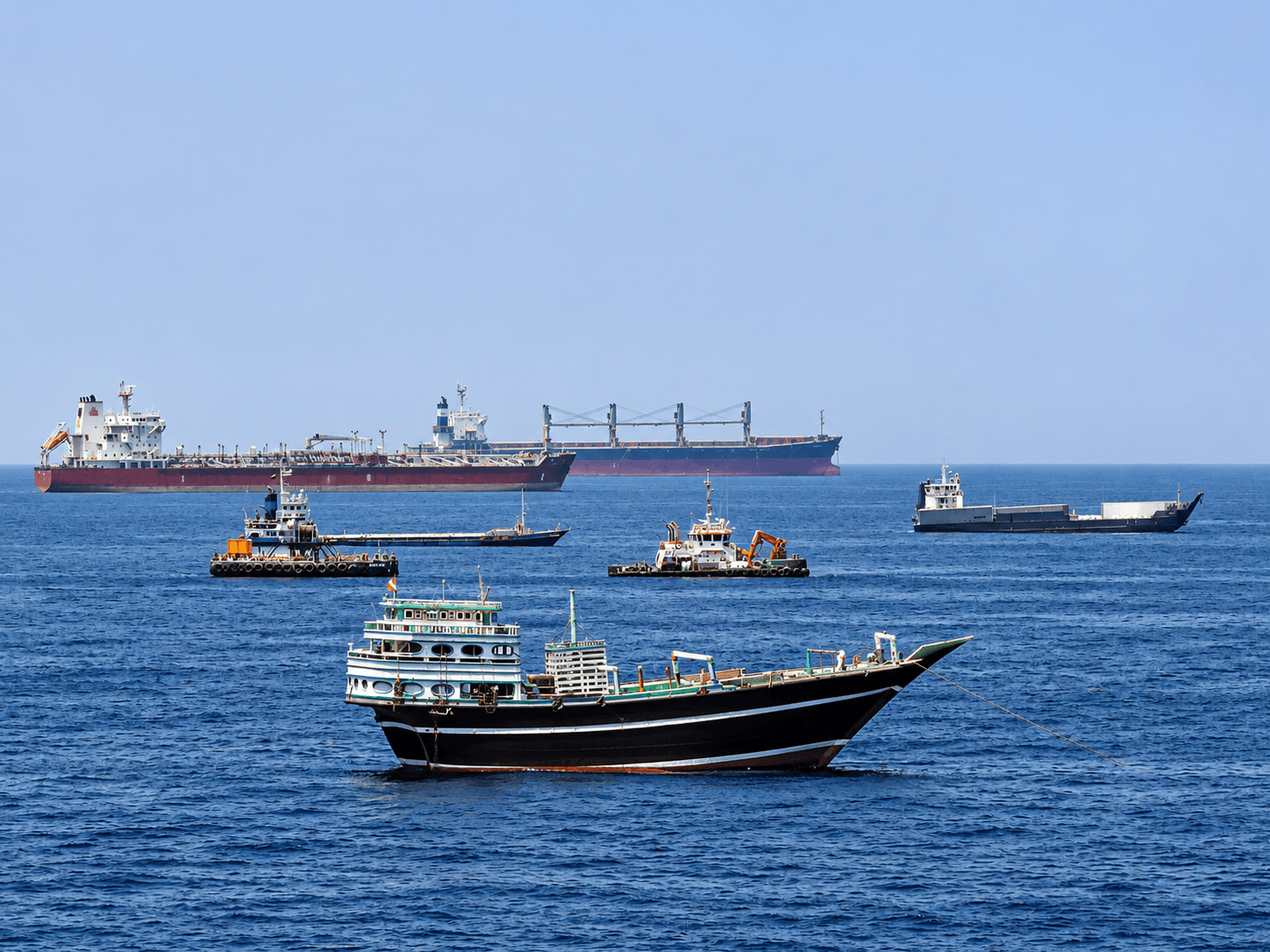
The Strait of Hormuz remains one of the biggest concerns for regional governments and international markets.
As a major passage for global oil and gas shipments, the narrow waterway plays a critical role in international energy trade. Any disruption to commercial navigation can quickly affect shipping costs, energy supplies and market confidence.
Saudi Arabia has called for the Strait to return to its pre-war operating conditions, with normal navigation restored and no additional fees imposed on commercial vessels.
Foreign Minister Faisal bin Farhan reiterated this position during his September 26 remarks at the United Nations General Assembly, while also expressing support for mediation efforts involving Qatar and Pakistan.
Security concerns within the Gulf have added another layer of difficulty. Saudi Arabia has reported repeated attempts by Houthi forces to target locations within the Kingdom, including cities and critical infrastructure.
In its October 27 statement, the Saudi Cabinet praised the country's air-defence systems for intercepting attacks. It also reaffirmed the Kingdom's right to defend its territory and protect the Two Holy Mosques.
These developments highlight the difficult task facing regional mediators. Any lasting settlement will need to address more than direct military confrontation. Maritime security, attacks on regional infrastructure and the wider political disputes behind the conflict will also have to be considered.
A DIPLOMATIC OPENING, BUT NO GUARANTEE OF PEACE
Saudi Arabia's support for Qatar and Pakistan marks an important diplomatic development, but it remains too early to predict whether these efforts will lead to a lasting settlement.
The October 26 meeting in Tehran showed that senior regional officials are still willing to engage directly with Iran despite continuing security tensions. Riyadh's Cabinet statement the following day further reinforced its willingness to support diplomatic solutions.
But high-level meetings and public statements alone cannot guarantee progress. Negotiators still face difficult questions involving military activity, economic restrictions, maritime arrangements and the conditions needed to end the conflict.
For Qatar and Pakistan, the immediate priority is to maintain communication between the parties and prevent diplomatic channels from breaking down.
Saudi Arabia, meanwhile, must balance its own national security concerns with its support for a regional arrangement that reduces the risk of further attacks.
The coming weeks will be important in determining whether these diplomatic efforts can move beyond political statements and produce practical steps towards de-escalation.
RISKS AND KEY ISSUES TO WATCH
Breakdown in negotiations: Disagreements over ceasefire terms and security guarantees could bring the mediation process to a standstill.
Renewed military escalation: Further attacks involving Iran, Israel, the United States or regional armed groups could undermine diplomatic progress.
Strait of Hormuz disruption: Continued restrictions or threats to commercial shipping could create fresh pressure on global energy markets.
Gulf security concerns: Attacks targeting Saudi territory or critical infrastructure could increase pressure for a stronger military response.
Competing diplomatic demands: Differences over sanctions, maritime access and regional security arrangements could make a comprehensive settlement harder to achieve.
WHAT TO WATCH NEXT
Further Saudi diplomatic statements: Whether Riyadh announces additional initiatives or makes new commitments to support mediation.
Qatar-Pakistan engagement: Any new meetings or diplomatic contacts with Iranian and other regional officials.
Follow-up talks with Tehran: Whether Saudi Arabia, Pakistan and Türkiye continue their engagement with Iranian leadership.
Progress on maritime security: Any practical agreement to restore safe and predictable navigation through the Strait of Hormuz.
Signs of de-escalation: Whether the parties take measurable steps to reduce military activity and create conditions for broader negotiations.
FACT CHECK METER
Editorial Confidence: 96%
Status: Strongly supported — official statements and reported diplomatic meetings.
Confirmed details
Saudi Arabia's Cabinet reaffirmed support for mediation efforts led by Qatar and Pakistan on October 27.
Saudi, Pakistani and Turkish officials held high-level discussions with Iranian representatives in Tehran on October 26.
The discussions formed part of wider efforts to prevent further military escalation.
Saudi Arabia has publicly emphasised regional security and the importance of diplomatic solutions.
Important distinctions
Saudi Arabia's support for mediation does not mean a peace agreement has been signed.
The Tehran meeting was a diplomatic engagement, not confirmation of a comprehensive ceasefire.
The precise terms and prospects of any proposed settlement remain uncertain.
AWX VERDICT
Saudi Arabia's endorsement gives Qatar and Pakistan's diplomatic efforts greater political backing. However, meaningful progress will depend on whether the countries involved can turn regional dialogue into concrete commitments on security, military de-escalation and maritime access.
The percentage represents AWX editorial confidence in the article's factual reporting, not a statistical probability or official rating.
THE AWX BOTTOM LINE
Saudi Arabia's backing for Qatar and Pakistan's peace efforts highlights a growing regional push to use diplomacy to contain the Middle East crisis.
The October 26 discussions in Tehran, followed by Riyadh's Cabinet statement, show that regional powers are still working to create opportunities for negotiations with Iran. Qatar and Pakistan remain important channels in this process, while Saudi Arabia is lending its political support to a broader diplomatic approach.
But diplomatic momentum does not necessarily mean a breakthrough is around the corner. The real test will be whether these discussions lead to fewer attacks, safer shipping routes and a workable framework for preventing another escalation.
ATTLAS NEWS | AWX WORLD NEWS
Real Stories. Lasting Impact.
Comments
No comments yet.