

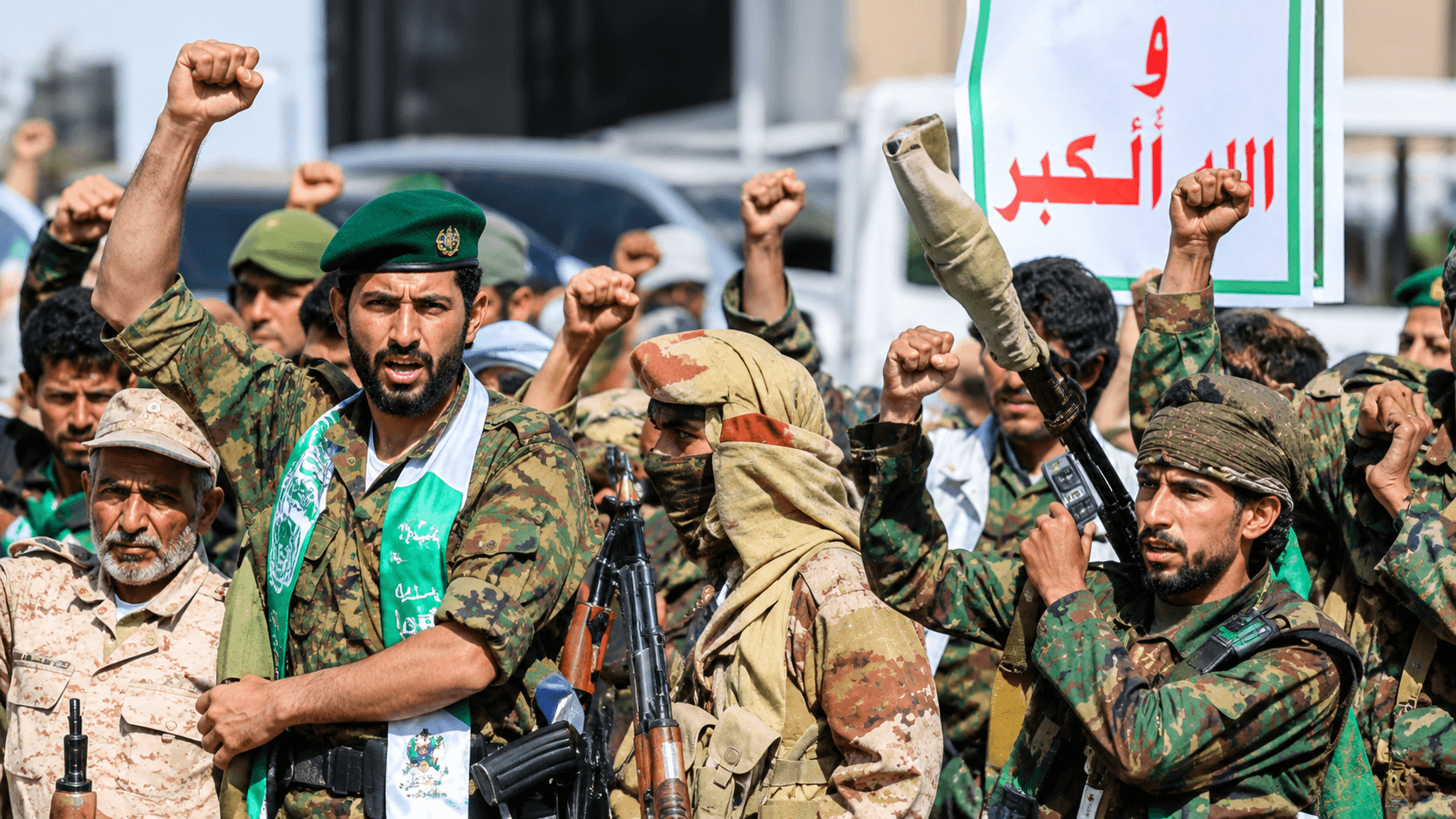
Yemen is once again facing a dangerous escalation as fighting between Houthi forces and troops loyal to the internationally recognised government intensifies. The latest clashes have undermined the relative calm that followed the UN-brokered truce in 2022, raising concerns that the country's long-running civil war could enter another devastating phase.
What makes the situation particularly worrying is the growing impact beyond Yemen's borders. Houthi attacks involving Saudi Arabia, threats to commercial shipping and tensions around the strategically important Bab al-Mandab Strait have increased the risk of a wider regional confrontation.
During a briefing to the UN Security Council on October 9, UN Special Envoy Hans Grundberg warned that Yemen had slipped back into full-scale fighting, with clashes spreading across several frontlines. He also highlighted the growing links between the conflict, regional tensions and maritime security.
HOUTHI ADVANCE PUTS ADEN UNDER GROWING PRESSURE
Recent battlefield developments have created fresh challenges for Yemen's internationally recognised government. Reuters reported on November 2 that Houthi forces had moved to within approximately 80 kilometres of Aden, the government's temporary capital. Military sources described the advance as the closest the group had come to the city since 2015.
Fighting has also intensified in areas around Lahij and Taiz, while reported Houthi gains along parts of the Red Sea coast have raised concerns about important roads and supply routes connecting government-controlled territories.
The pressure has also triggered changes within the government. According to The Guardian's November 5 report, President Rashad al-Alimi reshuffled several political and military officials following recent battlefield setbacks. The move reflects growing frustration over the government's military position and the need to address divisions among forces opposing the Houthis.
Those divisions remain a major concern. Rival political interests and disagreements among southern military groups have repeatedly complicated efforts to organise a coordinated response to the Houthi advance.
SAUDI ARABIA FACES RENEWED SECURITY CONCERNS
The conflict is also creating fresh security challenges for neighbouring Saudi Arabia. On November 2, the European Union strongly condemned reported Houthi attacks against Saudi Arabia, particularly those involving civilians and civilian infrastructure. Its statement also raised concerns about developments involving Aden's Al-Maashiq palace, military activity along Yemen's western coast and the continued siege of Taiz.
The Council on Foreign Relations' conflict tracker, updated on October 12, had earlier highlighted Houthi attacks on Saudi Arabia's Abha Airport in July 2026 as a development that could reignite the wider conflict.
Further developments were reported on November 5. The tracker recorded Saudi coalition airstrikes on Sanaa, with the Houthi Ministry of Health claiming that seven people had been killed and six injured. It also noted reports of a Houthi-launched ballistic missile being intercepted near Saudi Arabia's Medina region. These casualty figures and military claims have not been independently established in the information cited.
Any sustained exchange of attacks between Saudi Arabia and the Houthis could push the conflict beyond Yemen's borders, endanger civilian infrastructure and make diplomatic efforts considerably more difficult.
RED SEA SHIPPING FACES FRESH DISRUPTION RISKS
Yemen's strategic location means that the conflict has consequences far beyond the country itself. The Bab al-Mandab Strait, which links the Red Sea with the Gulf of Aden, is one of the world's important shipping passages, connecting trade routes between Europe and Asia.
Renewed Houthi threats against commercial vessels, including those linked to Saudi interests, have raised concerns among shipping companies and governments. During his October 9 briefing, UN Special Envoy Grundberg warned that threats to commercial shipping were undermining freedom of navigation and becoming increasingly connected to wider regional tensions over trade routes and energy supplies.
The European Union has also called for stronger protection of commercial vessels and freedom of navigation across the Red Sea and Bab al-Mandab Strait. Its maritime mission, EUNAVFOR ASPIDES, is expected to continue supporting efforts to protect ships and their crews.
Further attacks could force shipping companies to divert vessels around longer alternative routes. Such changes would increase transportation costs, insurance premiums and delivery times. Any prolonged disruption could also affect energy shipments and international supply chains.
TAIZ HUMANITARIAN CRISIS GROWS MORE SERIOUS
While military developments dominate the headlines, civilians continue to bear the heaviest cost of the conflict. The situation in Taiz is particularly worrying, with renewed military pressure and restrictions on movement making it increasingly difficult for residents to access essential supplies.
In its November 2 statement, the European Union warned that Taiz was once again under siege amid a significant Houthi military build-up. The city is estimated to shelter between 800,000 and 950,000 people, including displaced families. The EU called for an urgent humanitarian corridor to ensure that food, medicine and other essential supplies could reach those in need.
The wider humanitarian picture is equally alarming. According to the same statement, more than 22 million people across Yemen require humanitarian assistance. Food shortages, limited healthcare facilities and inadequate access to safe drinking water continue to affect communities across the country. The EU also called for the release of humanitarian workers detained in Houthi-controlled areas.
There was some relief for residents of Taiz on November 4, when the International Committee of the Red Cross delivered four truckloads of medical supplies to the city. The delivery, which had been delayed by heavy fighting, highlighted both the urgent need for assistance and the difficulties aid organisations face in reaching vulnerable communities.
For families who have already endured years of violence and displacement, another wave of fighting could mean even greater shortages, damaged homes and further interruptions to essential services.
IRAN'S ROLE ADDS TO REGIONAL TENSIONS
The Houthis' relationship with Iran remains an important part of the wider regional security debate. The European Union has urged Tehran to stop providing military support to the group, arguing that such assistance contributes to escalating tensions and breaches relevant UN Security Council resolutions.
However, Yemen's crisis is about more than regional rivalries. Years of political divisions, competing armed groups, economic collapse and unresolved questions over governance have all contributed to the country's continuing instability.
UN Special Envoy Hans Grundberg has repeatedly stressed that military victories alone cannot bring lasting peace. During his October briefing, he called on the parties to commit to a credible, Yemeni-led political process. Without meaningful negotiations, he warned, the conflict would continue to threaten both Yemen and the wider region.
INTERNATIONAL CALLS FOR DE-ESCALATION GROW
International governments and organisations are increasingly concerned that the latest fighting could undo years of diplomatic efforts to stabilise Yemen.
The European Union has reiterated its support for Yemen's internationally recognised government while continuing to back UN-led negotiations for an inclusive political settlement. It also announced an additional €25 million in emergency humanitarian assistance, taking its stated humanitarian support for Yemen in 2026 to €110 million.
The United Nations has similarly called on all sides to show restraint, protect civilians and return to negotiations. The immediate challenge is to prevent further military escalation from closing the door on a political solution.
Without sustained international pressure and genuine engagement from the parties involved, Yemen's conflict could become even harder to contain.
RISKS AND KEY ISSUES TO WATCH
Threat to Aden: Further Houthi advances could bring the government's temporary capital under greater military pressure and threaten important transport links.
Saudi-Houthi confrontation: Continued missile and drone attacks, followed by retaliatory strikes, could turn Yemen's internal conflict into a broader regional confrontation.
Red Sea shipping disruption: Further threats to commercial vessels near Bab al-Mandab could affect international trade, energy transportation and maritime insurance costs.
Humanitarian emergency in Taiz: Continued fighting and restrictions on aid access could worsen shortages of food, medicine, fuel and clean water.
Government divisions: Political disagreements and fragmentation among anti-Houthi forces could weaken the government's ability to respond to military advances.
Iran-related tensions: Allegations of external military support could deepen regional rivalries and further complicate peace negotiations.
WHAT TO WATCH NEXT
Military developments near Aden: Whether government forces can stop further Houthi advances and secure important roads and supply routes.
Saudi Arabia's next move: Whether Riyadh responds with additional military action or seeks renewed diplomatic engagement.
Humanitarian access to Taiz: Whether a safe corridor can be established to deliver essential supplies to civilians.
Red Sea maritime security: Whether attacks or threats against commercial vessels increase around the Red Sea and Bab al-Mandab Strait.
UN peace efforts: Whether the main parties return to negotiations and agree on practical steps to reduce hostilities.
International diplomatic pressure: Whether regional governments and international organisations can prevent the conflict from spreading further.
FACT CHECK METER
Editorial confidence: 94%
Strongly supported — UN, EU and international reporting
Confirmed details
The UN Special Envoy reported renewed large-scale fighting across several Yemeni frontlines in October 2026.
Reuters reported on November 2 that Houthi forces had advanced to within approximately 80 kilometres of Aden.
The European Union warned on November 2 about worsening humanitarian conditions and renewed threats to Taiz.
International organisations have raised concerns about attacks affecting Saudi Arabia and growing risks to commercial maritime security.
Important distinctions
Some battlefield developments and casualty figures are based on statements from the parties involved or local authorities and require independent verification.
Allegations of Iranian military support for the Houthis remain a subject of international dispute and diplomatic criticism.
The possibility of wider regional escalation is a serious concern, but it should not be presented as confirmation that a regional war has already begun.
AWX VERDICT
Yemen is facing a dangerous return to large-scale fighting. Houthi advances, renewed security concerns involving Saudi Arabia and growing threats to Red Sea shipping are adding to instability across the region.
The situation calls for urgent diplomatic engagement, stronger protection for civilians and reliable humanitarian access. Without these steps, the conflict risks causing even greater suffering and further destabilising an already fragile region.
The percentage represents AWX editorial confidence in the article's factual reporting, not a statistical probability or official rating.
THE AWX BOTTOM LINE
Yemen's conflict is entering another dangerous chapter. The Houthi advance towards Aden, intensifying clashes with government forces and renewed tensions involving Saudi Arabia are threatening to undo the fragile progress made through earlier diplomatic efforts.
The consequences could reach well beyond Yemen. Growing insecurity around the Bab al-Mandab Strait puts an important international shipping route at risk, while renewed fighting threatens to push millions of civilians deeper into displacement, hunger and a lack of essential healthcare.
For now, the priority must be to prevent further escalation, protect civilian lives and bring the parties back to meaningful negotiations. Without urgent diplomatic action, Yemen could become the centre of an even wider regional crisis.
ATTLAS NEWS | AWX WORLD NEWS
Real Stories. Lasting Impact.




Comments
No comments yet.